Choosing between a compression T-shirt and a relaxed-fit training top can make a real difference to how you feel during home workouts. Whether you lift weights in your living room, push through sweaty HIIT sessions or flow through a quiet yoga practice, the right top affects support, temperature control and all‑day comfort. In this guide we break down how each style behaves during different training styles, which fabrics to look for, and how to avoid chafing or restriction when you wear your gear beyond the workout.
How compression T-shirts behave in home strength training
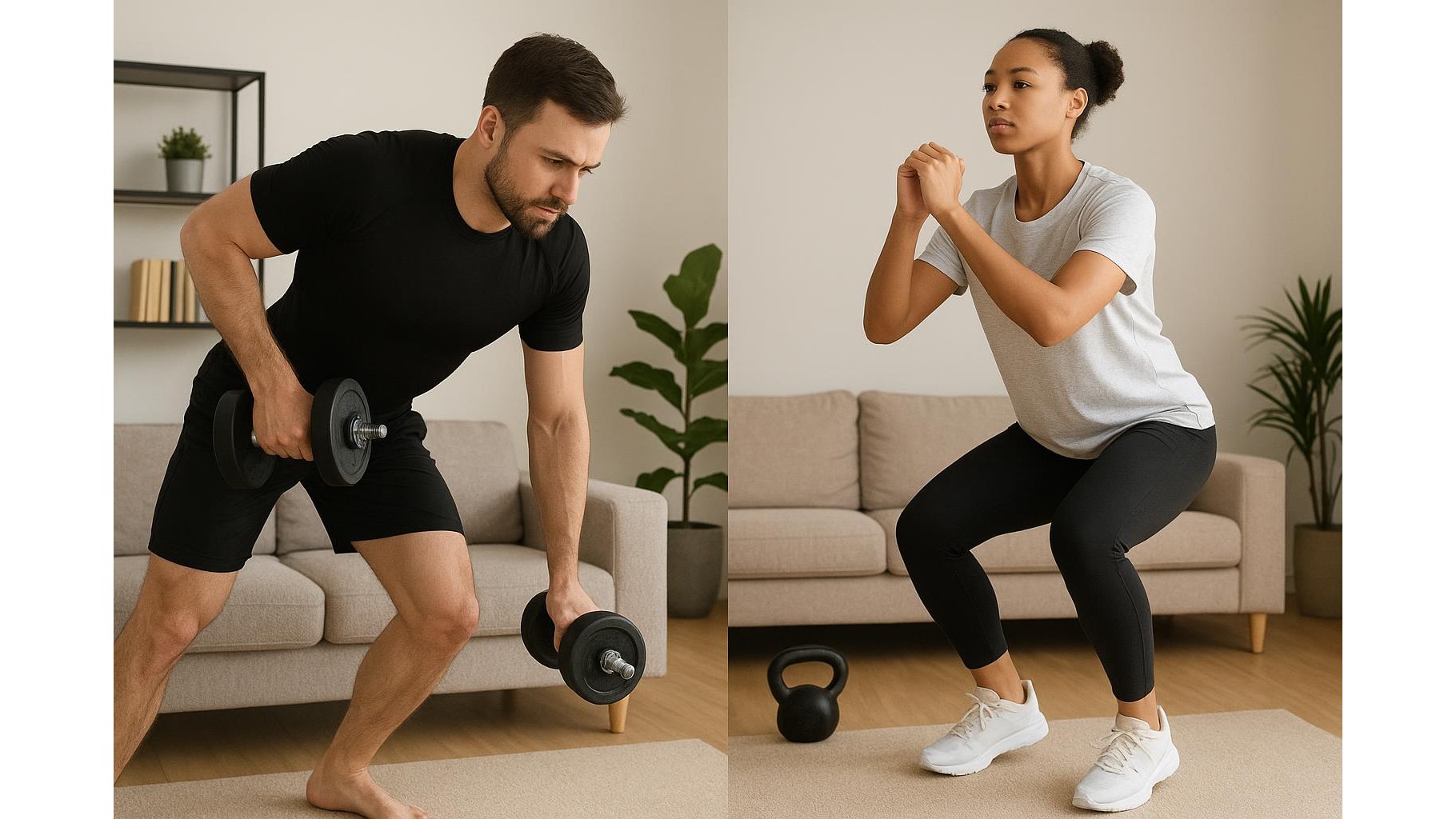
For strength training at home, a compression T-shirt can offer a locked‑in feel that keeps muscles warm and reduces excessive movement. The snug fit can make it easier to read your posture in the mirror because fabric doesn’t bunch or hide joint positions during squats, rows or presses. Look for four‑way stretch fabrics with a high percentage of elastane or spandex so the shirt follows your range of motion without digging into the shoulders or underarms. Flatlock seams and tag‑free labels are also crucial to cut down on irritation when barbells or resistance bands rub against the fabric. However, if you prefer to layer a hoodie or oversize tee on top, make sure the compression base layer is thin and breathable enough that you don’t overheat between sets.
Relaxed-fit tops for HIIT: breathability and freedom
During HIIT home workouts, heat management and freedom of movement often matter more than a second‑skin feel. Relaxed-fit T-shirts allow more air to circulate around the torso, helping sweat evaporate faster during burpees, jump squats and mountain climbers. Look for lightweight polyester or blended fabrics advertised as moisture‑wicking and quick‑dry to prevent that heavy, soggy feeling mid‑session. A slightly dropped shoulder and looser sleeves reduce any pulling when you reach overhead, while a curved hem or slightly longer back keeps the shirt from riding up when you jump or bend. If you dislike clingy fabric during intense intervals, a relaxed cut will usually feel more natural and help you focus on effort instead of adjusting your clothes.
Yoga and mobility: when a closer fit helps, and when it doesn’t
For yoga and mobility sessions at home, the best choice often depends on your personal preference and the style of practice. A moderately fitted compression-style top shines in inversions and downward‑facing positions because it won’t slide over your face or expose your torso when you roll or twist. This can be especially helpful in vinyasa or power yoga, where transitions are fast. Look for soft, brushed fabrics with moderate compression instead of ultra‑tight performance race tops; you want gentle support, not a restrictive squeeze around the ribs. On the other hand, if you mainly practice slow yin or restorative yoga, a relaxed-fit T-shirt made from breathable cotton or bamboo blends may feel more calming, provided the length is enough to stay in place when you stretch overhead or fold forward.
Fabric choices, all-day wear and avoiding chafing
Many people wear their home workout T-shirts all day, so comfort outside training is essential. For compression T-shirts, prioritise fabric blends that combine synthetic performance (polyester or nylon) with enough elastane to stretch without cutting in. Smooth, cool‑touch finishes and flatlock seams help prevent chafing at the underarms, neck and along the sides. If you have sensitive skin, avoid very shiny, rigid compression fabrics and look for softer knits or tops with mesh panels in high‑heat zones. With relaxed-fit tops, cotton‑rich blends feel great for lounging and low‑intensity movement, but on hot days or during long sessions they can trap sweat; switching to technical blends marked as “breathable” or “anti‑odour” can keep you fresher between meetings and workouts. Always check for scratchy neck labels or thick printed graphics that might rub during longer wear.
Fit tips: how tight is right, and when to size up
Getting the fit right is more important than choosing a specific style on the label. For a compression T-shirt, you should feel gently hugged, not squeezed; if your breathing feels restricted or the fabric digs in at the armpits, size up. When in doubt, measure your chest and follow the brand’s performance‑fit guide rather than your usual casual T‑shirt size. Ensure the hem reaches at least mid‑hip so it doesn’t roll when you lift your arms. For relaxed-fit T-shirts, avoid going so oversized that excess fabric catches on dumbbells or bands. Aim for a silhouette that skims the body with enough room to pinch a small fold of fabric at the chest and waist, but without billowing when you jump or hinge. Women may prefer slightly shaped cuts to prevent gaping at the neckline in bending poses, while men might look for raglan sleeves to keep shoulders mobile.
In summary, compression T-shirts work best when you want muscle support, a streamlined profile and security in upside‑down or fast movements, while relaxed-fit tops excel in breathability, freedom and day‑long comfort. Strength training and dynamic yoga often benefit from a closer fit, whereas HIIT and casual movement usually feel better in looser, airy cuts. Prioritise quality fabrics, smooth seams and a fit that suits your body shape rather than chasing trends. With one reliable compression top and one well‑cut relaxed T‑shirt in your home gym drawer, you can cover every session without worrying about chafing, restriction or distraction.