Building a home gym means finding ways to lift heavy without covering your floor, equipment and lungs in dust. The right choice between loose chalk, liquid grip and chalk blocks, together with smart chalk storage, can dramatically improve both performance and cleanliness. In this guide we’ll compare the main types of grip aids and explain how to store them so your small training space stays tidy and easy to clean.
Loose chalk: maximum grip, maximum dust
Loose chalk powder is the classic choice for powerlifters and climbers because it coats the skin evenly and delivers excellent moisture absorption. At home, though, it is also the messiest solution: fine particles float into the air, settle on floors and equipment, and can be annoying for anyone sharing the space. If you opt for loose chalk, use a chalk bowl or keep it in a dedicated box and always apply it over a mat you can shake outside. For many home users, loose chalk is best reserved for very heavy pulls or testing maxes, while a cleaner option is used for everyday training.
Liquid chalk: the cleanest option for small spaces
Liquid chalk (often called liquid grip) suspends chalk in alcohol or another fast-evaporating carrier. You squeeze a small amount onto your hands, rub it in, and after a few seconds the liquid evaporates leaving a thin, even layer of chalk. Because there is no open powder, it creates far less dust and is ideal for small home gyms, garages and shared rooms. It also travels well in a gym bag. The trade-off is that you may need to reapply a bit more often on long sessions, and some formulas include alcohol that can be slightly drying on very sensitive skin. Look for products sold in refillable bottles to reduce waste and cost over time.
Chalk blocks: a smart compromise
Chalk blocks sit between powder and liquid grip. You get traditional magnesium carbonate in compressed form that you can rub directly on your hands, breaking off small pieces as needed. Compared with loose powder, blocks shed less dust and are easier to keep inside a chalk box or bag, while still providing strong grip for deadlifts, pull-ups and kettlebell work. They are a good choice if you love the feel of real chalk but want a bit more control over the mess. Many lifters keep a block inside a sealable container; over time it naturally turns into coarser granules that remain perfectly usable.
Choosing the right grip for your training style
When deciding between loose chalk, liquid grip and chalk blocks, think first about your training style and environment. If you lift extremely heavy on bars and bells and have a dedicated garage area you do not mind cleaning frequently, loose chalk will give you the most aggressive grip. If you share a living room or small office, liquid chalk is usually the best blend of performance and cleanliness. Chalk blocks are a solid middle ground for lifters who like the traditional feel but must limit dust. You can even combine options: for example, liquid grip as a base layer and a light touch of block chalk only for your top sets.
Smart storage and dust‑control strategies
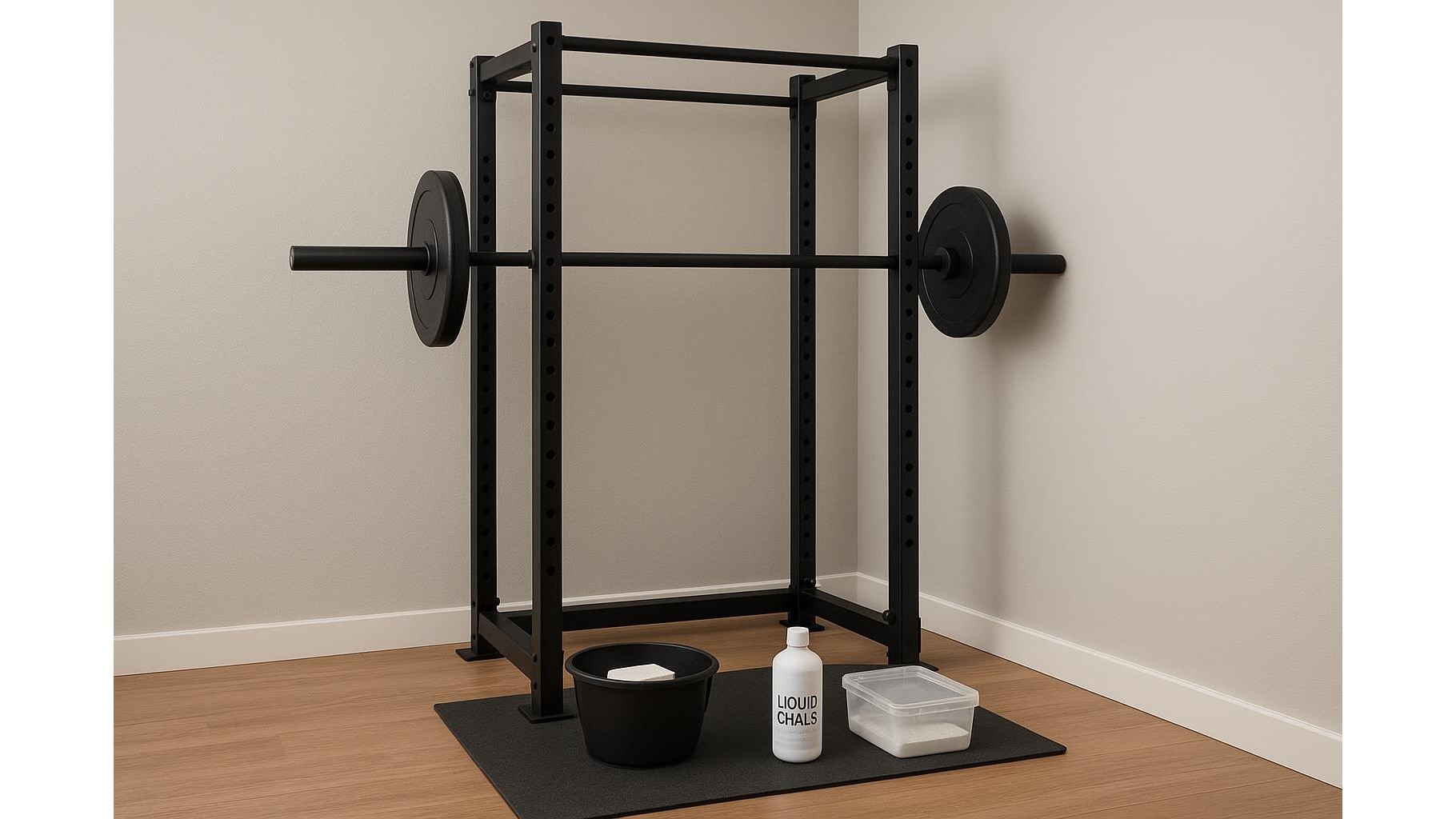
Whatever you choose, good chalk storage is essential in a home gym. Keep chalk in a sealed plastic container or screw‑top tub, and open it only over a dedicated mat. A simple chalk bucket made from a storage box or small bin limits spread and can be moved out of the way when not in use. Store liquid chalk bottles upright in a caddy or drawer so they do not leak, and wipe the nozzle after use. Vacuum or sweep the training area regularly with a soft brush, and avoid mixing chalk with sweat on the floor, which can create a slippery paste. With a little discipline in how you apply, store and clean up, you can enjoy secure grip and still keep your home gym looking and feeling clean.
In summary, liquid chalk offers the cleanest solution for most home gyms, chalk blocks provide a tidy compromise, and loose chalk remains the high‑performance option when you can accept more dust. Combine your preferred grip aid with sensible storage and basic cleaning habits and you will have a home training space that is both effective and easy to live with.