Shopping for home workout clothes online is convenient and often cheaper, but getting the right size without a fitting room can feel like guesswork. Between different brands, fabrics and cuts, a “Medium” in one item can fit totally differently from a “Medium” in another. With a bit of preparation, though, you can make sure your next order of leggings, sports bras or gym shorts fits comfortably and supports your training from the first try.
Start with your real body measurements
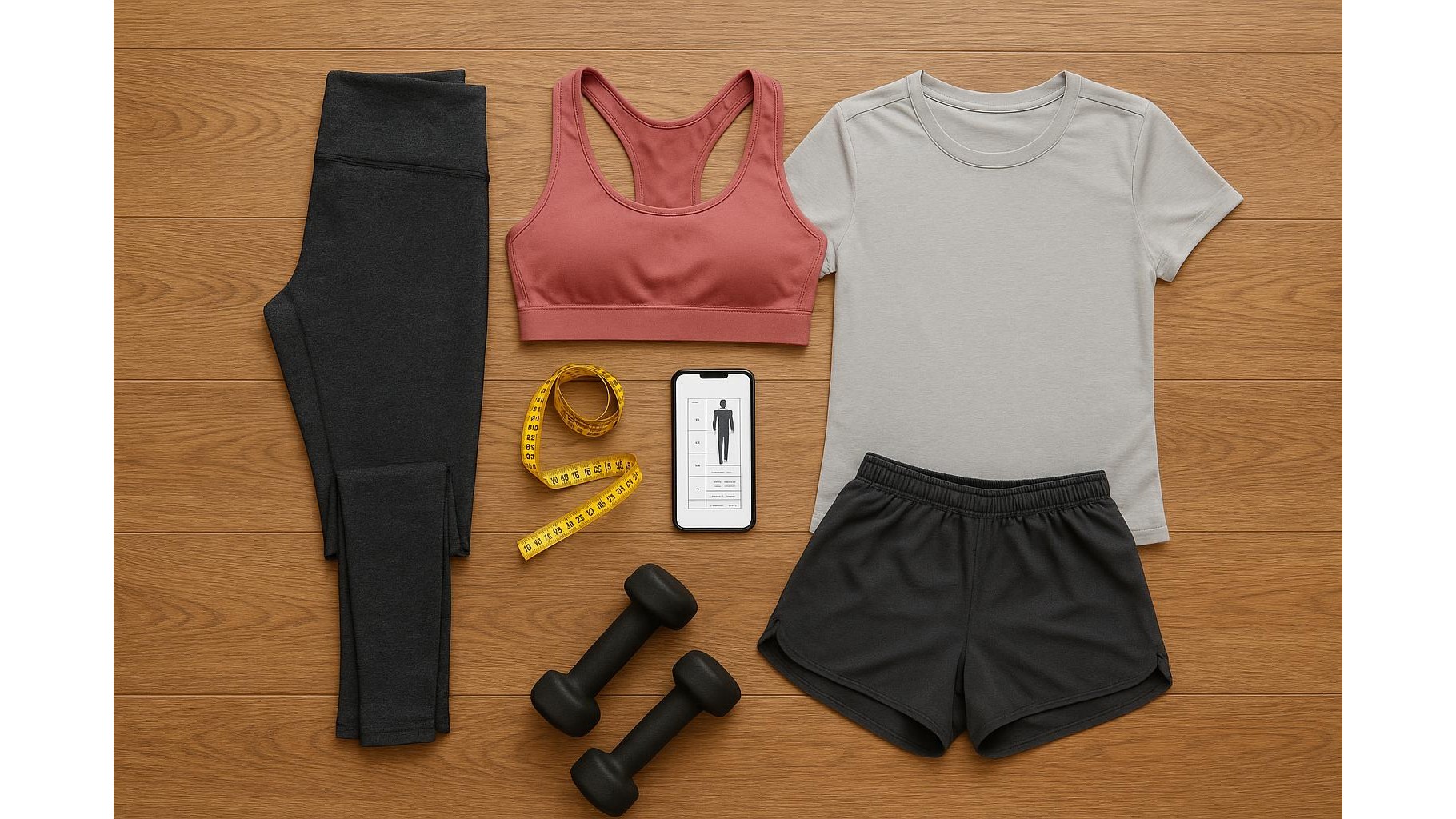
The single most important step before adding anything to your basket is to know your actual body measurements. Grab a soft tape measure and note your bust/chest, waist, hips and, for bottoms, your inseam. Measure snugly but not tightly, standing in a natural posture. Write these numbers down in centimetres, as most Amazon size charts use cm. When you look at any product page, ignore the letter on the label (S, M, L) at first and match your measurements to the chart instead. This approach works whether you are buying loose gym shorts or compressive leggings.
How to decode brand size charts and fit notes
Each brand interprets sizes differently, so always open the Size Guide on the product page before you buy. Focus on the ranges (for example, waist 70–75 cm, hips 95–100 cm) and choose the size where your largest measurement fits comfortably inside the band. If you are between sizes, think about how you will use the item: for compression leggings and sports bras, you may prefer the smaller size for more support; for loungewear or pump-cover T‑shirts, going up a size can give more comfort. Many listings also include fit notes such as “runs small”, “slim fit” or “relaxed fit”. Treat these as a warning to adjust your choice accordingly, especially if you usually struggle with tight waistbands or short lengths.
Using reviews and Q&A to check real-world fit
On Amazon, the customer reviews and Q&A section are gold when you cannot try items on. Look for reviewers who list their height, weight or typical size and say which size they ordered. Comments like “I am 170 cm, usually a UK 10, took a Medium and it fits perfectly” give you a practical reference point. Pay special attention to repeated patterns such as “waist is tight”, “legs are too short” or “great stretch but not see-through”. These clues help you decide whether to size up or down. Also check photos uploaded by buyers to see how fitted or loose the clothing looks on real bodies rather than studio models.
Why fabric and stretch matter for sizing
Always read the fabric composition and product description before you pick your size. Materials with a high percentage of elastane or spandex have more stretch and can accommodate small differences in measurements, which is ideal for yoga leggings and compression tops. On the other hand, cotton-heavy joggers or woven training shorts with little stretch will feel less forgiving, so you may want a slightly larger size for comfort and range of motion. If the description mentions “second-skin fit”, “compression” or “body-hugging”, expect a tighter feel and consider how snug you like your gym gear during squats, lunges and cardio.
Common sizing mistakes to avoid when buying online
Many home gym athletes get caught by the same sizing mistakes. One is relying on your usual high-street size without checking the chart, which often leads to too-small leggings or baggy tops. Another is ignoring length: if you are particularly tall or petite, check the inseam and reviewer comments about where leggings hit on the ankle. Do not forget that different garments in the same brand can fit differently; a brand’s sports bra might run small even if their shorts fit true to size. Finally, avoid ordering only one size when you are truly unsure and return shipping is easy—sometimes buying two sizes of the same item and sending one back is the most efficient strategy for building a well-fitting workout wardrobe.
Building a reliable sizing strategy for your home gym wardrobe
Once you have a couple of positive experiences buying online fitness apparel, keep notes. Record which brands run large or small for you, your updated measurements, and which fabrics you prefer for different types of workouts. Over time, you will be able to look at a product image, scan the size chart and reviews, and confidently choose the right size without worrying about returns. By combining accurate measurements, careful reading of charts, smart use of reviews and attention to fabric details, you can make sure your home workout clothes support your training goals and feel comfortable every time you press “Buy now”.
In summary, choosing the right size for home workout clothes online is all about information: know your body, study the size guide, listen to other buyers and understand how materials behave. With this simple system, your next delivery will be more likely to fit perfectly, so you can focus on your reps instead of your returns.