Smart home recovery can make the difference between consistent strength gains and nagging aches that stall progress. After heavy lifting, your muscles and connective tissues need help managing inflammation, restoring range of motion and calming the nervous system. With a simple mix of heat, cold and self-massage, you can build an effective recovery routine in your living room, no physio appointment required.
Why recovery matters for lifters at home
Strength training creates controlled damage to muscle fibres; the growth happens in the recovery window. Effective post-workout recovery reduces soreness, keeps joints moving well and lets you hit quality sessions across the week. At home, that means using basic tools and simple protocols you can repeat: brief cold exposure when inflammation is high, gentle heat when stiffness sets in, and self-massage to relieve tight spots. The goal is not to “erase” soreness instantly, but to support circulation, tissue quality and relaxation so you can train hard again without building up small injuries.
Using cold wisely after heavy lifting
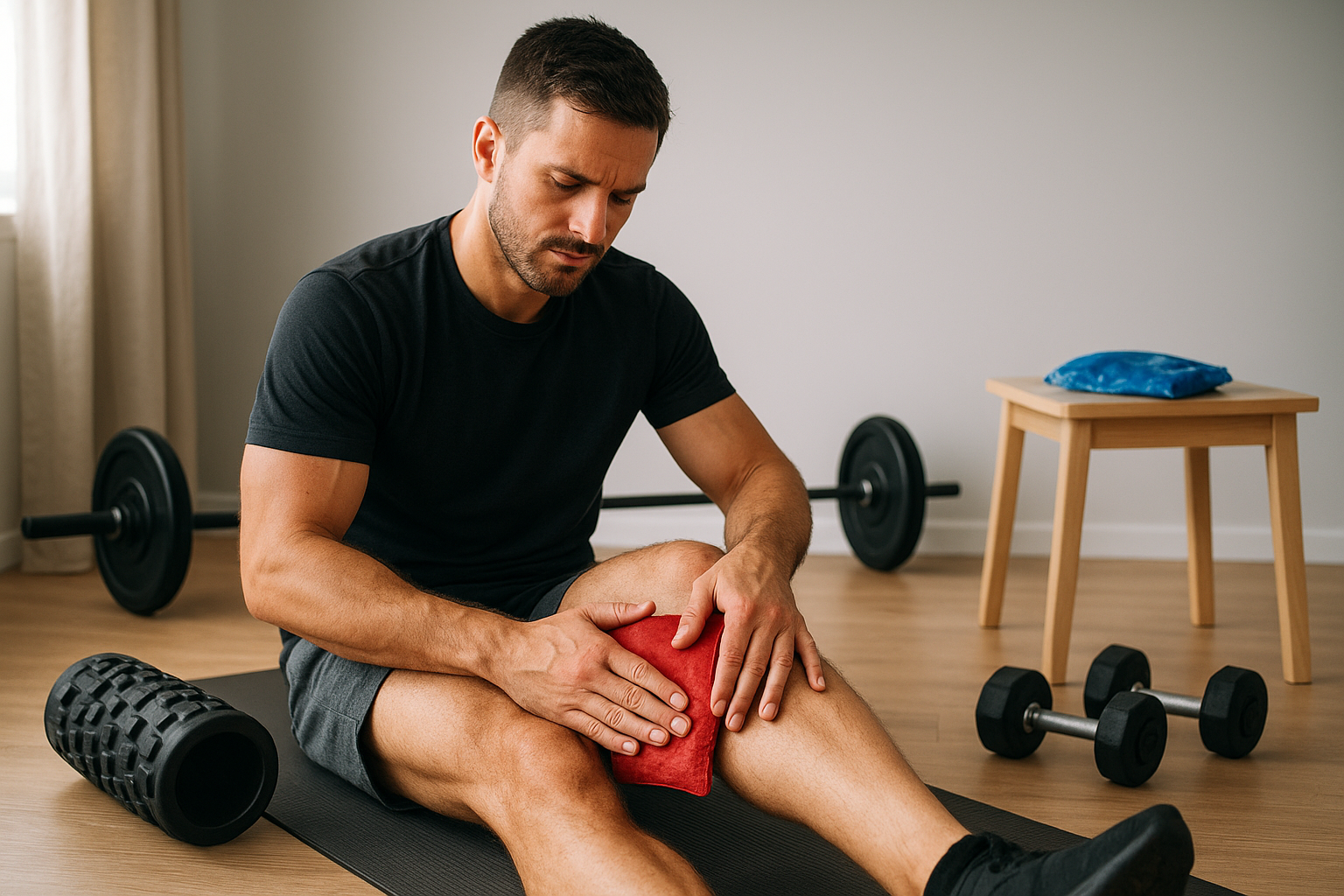
Cold therapy is most useful in the first hours after very intense or high-volume lifting, especially if you feel joints or tendons are irritated. Short bouts of cold (10–15 minutes) can help limit excessive swelling and reduce pain so you can move more freely. At home, cold can be as simple as a frozen pack wrapped in a thin towel. Avoid applying ice directly on the skin or leaving it on for too long, which can cause numbness or skin damage. For everyday moderate sessions, you may not need cold at all; walking, light mobility and hydration are often enough. Reserve cold for those big squat, deadlift or plyometric days where impact and joint stress are highest.
When and how to apply heat for stiff muscles
Heat therapy shines 12–24 hours after a session, when DOMS and stiffness peak. Gentle warmth improves blood flow, helping nutrients reach sore muscles and making tight areas more pliable before stretching or light movement. Use warm, not scalding, temperatures for 15–20 minutes on areas like the lower back, hips or upper back. Heat is ideal before a light recovery workout, mobility session or self-massage, because it relaxes the tissues and nervous system. Avoid strong heat immediately after acute injury or if something feels sharply painful or swollen; in those cases, stick to rest, gentle movement and, if needed, brief cold exposure while you monitor symptoms.
Self-massage tools to target tight spots
Self-massage techniques such as foam rolling and trigger point work help lifters maintain soft-tissue quality between sessions. Rolling the quads, glutes, lats and upper back for 5–10 minutes after training can reduce perceived soreness and improve movement. Use slow, controlled pressure and breathe deeply rather than rushing. When you find a tender spot, hold for 20–40 seconds until the discomfort eases slightly, then move on. Self-massage should feel intense but manageable; sharp, electric or joint pain is a sign to back off. Combine it with active mobility (such as hip circles or arm swings) so that newly relaxed tissues are taken through full ranges of motion, reinforcing better patterns for your next lift.
Planning your weekly home recovery routine
Think of recovery as part of your training plan, not an optional extra. After heavy days, prioritise sleep, protein and hydration, then add 5–15 minutes of targeted self-massage and, if needed, short cold sessions for joints that feel irritated. On the following day, use light movement plus heat on especially stiff muscle groups before a gentle mobility circuit. Over the week, alternate higher- and lower-stress days, using recovery tools to “smooth out” the rough edges and keep you progressing. Pay attention to how you actually feel: if soreness and fatigue creep up over several sessions, increase your recovery time, add a rest day or reduce training volume before chasing more aggressive interventions.
In summary, home recovery for lifters is about consistent, simple habits rather than complex hacks. Use cold sparingly to manage acute joint irritation after the toughest sessions, apply heat later to ease stiff, sore muscles, and rely on self-massage and gentle movement to keep tissues supple and resilient. Combined with solid sleep and nutrition, this approach will help you turn hard strength workouts into steady progress, while reducing the risk of overuse injuries and keeping you ready for the next session.