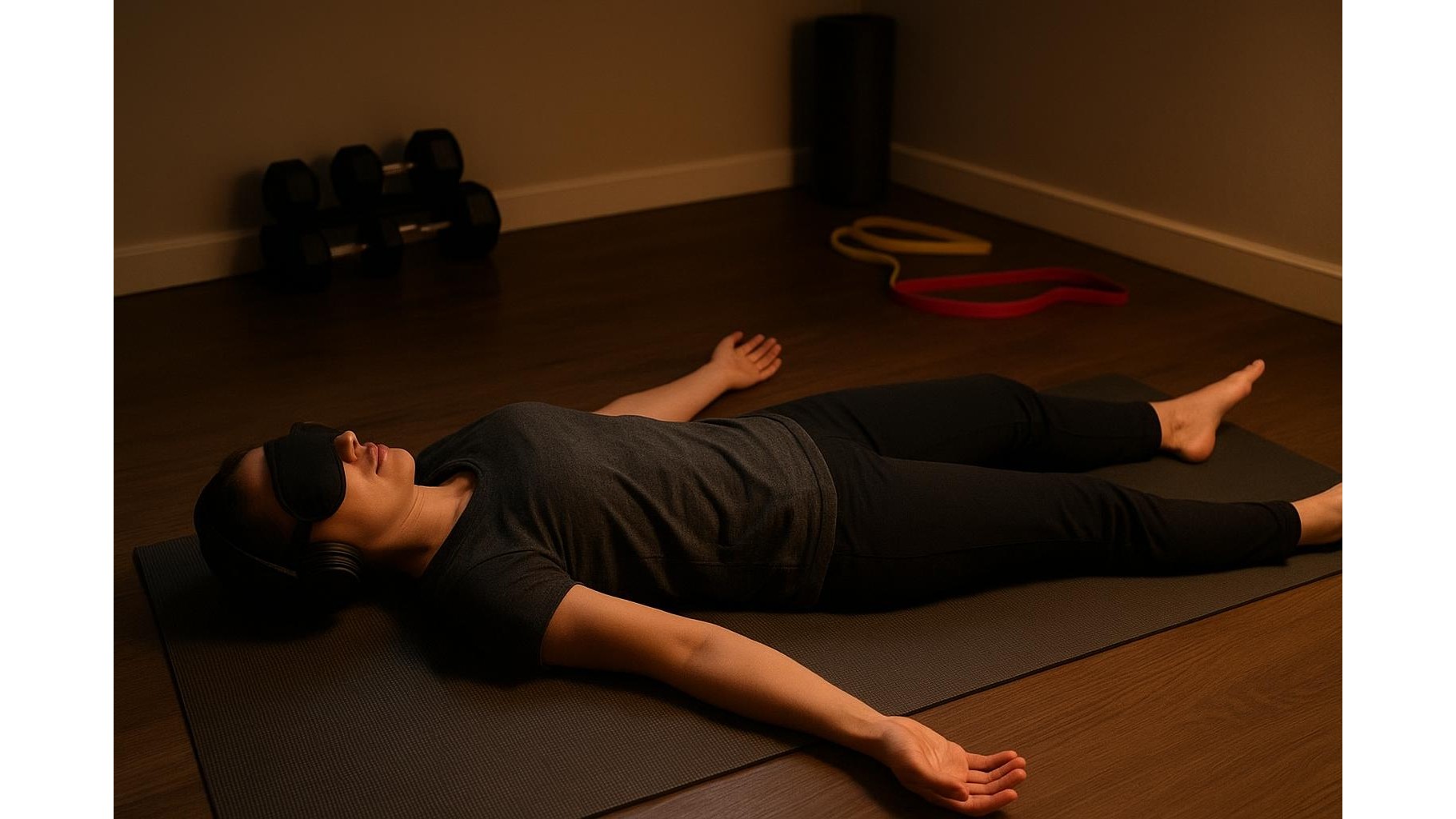
Yoga nidra, often called yogic sleep, is a powerful yet underrated recovery tool for anyone training in a home gym. In just 20–30 minutes, a guided audio session can take you into a deep state of relaxation where the body shifts into repair mode, supporting your nervous system, sleep quality and muscle recovery. For busy lifters, runners and cross‑trainers, it can feel like getting the benefits of a nap without actually falling asleep.
What is yoga nidra and why it matters for home athletes
Yoga nidra is a structured, lying‑down meditation where a teacher guides your attention through the body, breath and imagery. Unlike typical meditation, you don’t have to concentrate hard or sit upright; you simply lie on a mat, press play on a guided relaxation audio and follow instructions. Brainwave activity gradually slows, the parasympathetic nervous system (rest‑and‑digest) switches on, and stress hormones drop. For home athletes juggling work, family and training, this makes yoga nidra a practical tool to counteract chronic stress that can otherwise stall strength gains, impair muscle repair and disturb sleep.
How 20–30 minute sessions support recovery and sleep
A 20–30 minute yoga nidra session can mimic the restorative effects of a short nap while keeping you right on your living‑room floor. Deep relaxation increases vagal tone, slows heart rate and may enhance heart rate variability, all markers of better recovery between workouts. Many home athletes report falling asleep faster and waking less during the night when they add yoga nidra after evening training. Because the practice calms the mind and down‑regulates the nervous system, it indirectly supports anabolic processes like muscle protein synthesis that mainly occur during high‑quality sleep. Over weeks, this can mean less soreness, more consistent energy and better performance in your next home workout.
Simple gear to create a yoga nidra corner at home
You don’t need much equipment to benefit from yoga nidra, but a few basics can make sessions more comfortable and consistent. At minimum, use a thick exercise mat or folded blanket so your spine and heels are cushioned during longer practices. A soft eye mask or simply dimmed lights help signal to your brain that it’s time to switch off, improving relaxation. Consider a small bolster or pillow under the knees to release tension in the lower back after heavy squats or deadlifts. Wireless headphones or a compact Bluetooth speaker keep instructions clear without you needing to hold a device. Set this gear up in the same corner where you usually stretch or cool down so yoga nidra becomes a natural extension of your existing routine.
Integrating yoga nidra into a busy weekly training plan
To make yoga nidra stick, treat it like any other training block in your schedule. On heavy strength days, add a 20‑minute audio session immediately after your cool‑down or evening shower to speed nervous system recovery. On high‑intensity cardio or interval days, place a 20–30 minute session later in the day to help bring you back from a stimulated state and improve sleep quality. On rest or deload days, use a slightly longer script, up to 30–35 minutes, as your primary active recovery tool. Even during hectic weeks, aim for two to three sessions; consistency is more important than length. Think of each practice as a scheduled appointment with your future performance, not an optional add‑on.
Practical tips for making the most of each session
For best results, approach yoga nidra with the same intention you bring to your workouts. Before you lie down, silence notifications and let others at home know you’ll be unavailable for the next half hour. Wear warm, non‑restrictive clothing so you don’t get chilled while still. If you’re new to the practice, start with shorter guided audio tracks and build up as your mind learns to settle. Don’t worry if you drift near sleep; the nervous system still benefits from the downshift. After finishing, take a moment to sit up slowly, notice how your body feels and jot a quick note on energy, mood or soreness. Over time, these reflections will show you how powerful this simple recovery tool can be.
By adding regular yoga nidra to your home training week, you give your body the missing half of the equation: deep recovery to match hard effort. With just 20–30 minutes, minimal equipment and a quiet corner, you can calm your nervous system, improve sleep and support ongoing muscle repair. The result is a more resilient, better‑recovered body that’s ready to perform every time you step into your home gym.