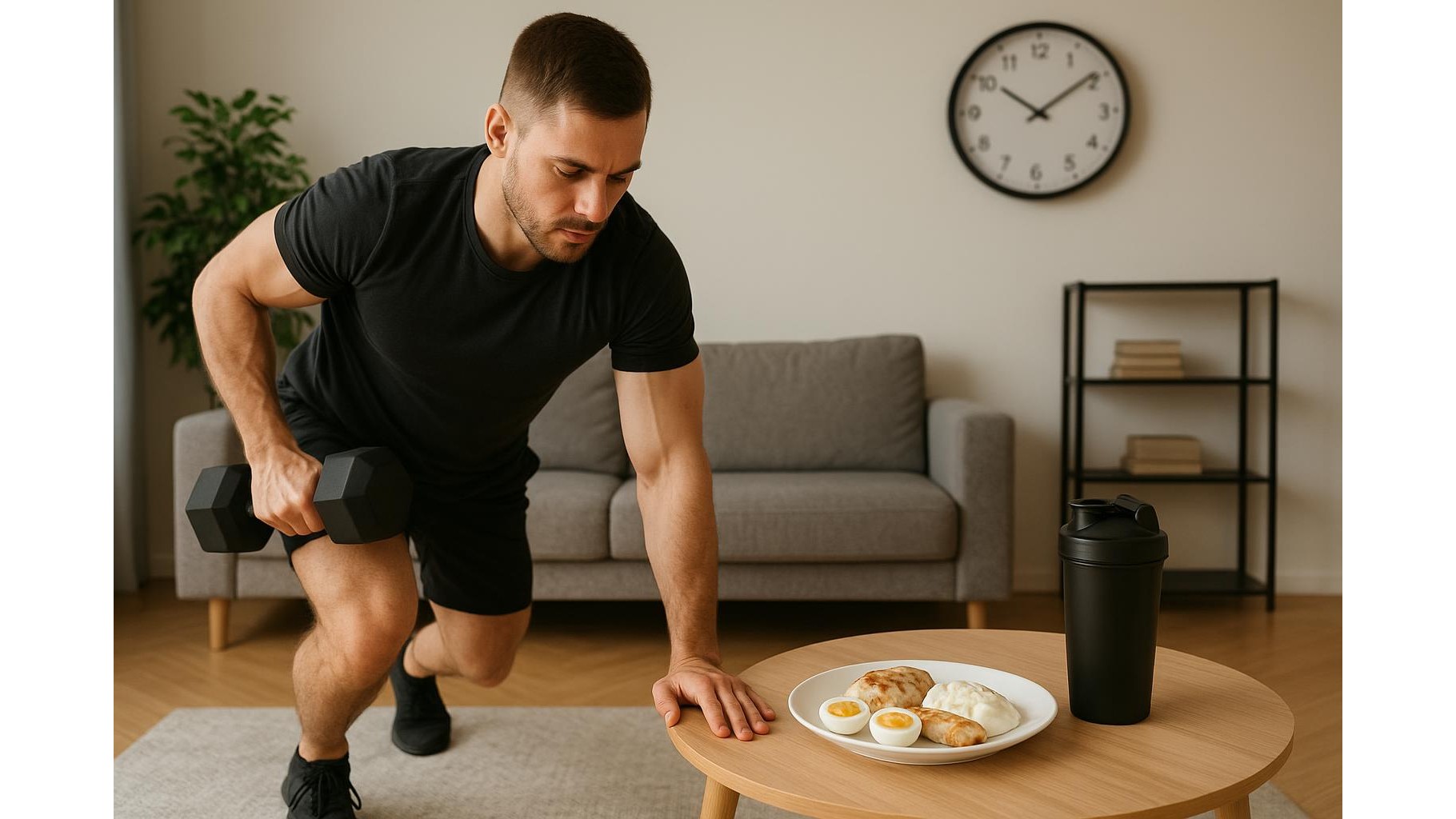
Training at home while following intermittent fasting can be incredibly effective, but only if your protein timing matches your eating window and workout schedule. Whether you train before work, during lunch, or in the evening, planning when and how you hit your daily protein intake is crucial for muscle growth, recovery and appetite control. Below you’ll find simple, no‑nonsense templates for morning, afternoon and evening workouts that you can plug into your home routine right away.
Why protein timing matters when you fast
When you follow intermittent fasting, your eating window is compressed, which means you have fewer opportunities to reach an optimal daily protein target (roughly 1.6–2.2 g per kg of bodyweight for most home athletes). Spreading that protein over 2–4 solid meals or shakes helps maximise muscle protein synthesis and keeps you fuller, so you are less likely to break your fast early. In a home gym context, where sessions are often short but intense, having protein available in the hours after your workout is more important than hitting a specific minute‑by‑minute timing. Think in terms of getting 25–40 g of high‑quality protein in every meal within your eating window, especially the meal that follows your session.
Template for morning workouts (fasted and fed options)
If you train early, you have two scenarios: fasted training or a small pre‑workout snack. For fasted morning workouts, finish your session, then open your eating window with a high‑protein meal: for example, 3 eggs plus egg whites, oats and Greek yogurt, giving you about 35–40 g of complete protein. Follow this with another 30–40 g protein meal 3–4 hours later, and a final high‑protein dinner (lean meat, tofu, lentils) to hit your total. If you prefer a fed workout, take a small pre‑session hit of 15–20 g protein (like a quick shake or some yogurt) just before training, then have a bigger meal afterwards with 30–40 g protein. The key is to ensure your post‑workout meal still lands within 1–3 hours of the session while staying inside your fasting plan.
Template for lunchtime and afternoon sessions
Home athletes who train at lunch or mid‑afternoon can easily align protein timing with a typical 16:8 fasting schedule. Break your fast late morning with 30–35 g of protein (Greek yogurt bowl with whey, cottage cheese on wholemeal toast, or a tofu scramble). Train 60–120 minutes later so this meal has started digesting, then follow your workout with another 30–40 g of protein in your main meal. An example could be chicken and rice, salmon and potatoes, or a big bean and quinoa salad. If your eating window allows for a third meal, close the day with a lighter 25–30 g protein option such as omelette with vegetables or a chickpea stew. This pattern gives you 2–3 strong protein pulses across your window while keeping your fasting schedule intact.
Template for evening training and late eating windows
Many home athletes can only train in the evening, which pairs well with a later eating window. If your first meal is mid‑afternoon, aim for 30–40 g of protein from something easy to prep at home: for instance, Greek yogurt with fruit and nuts, or a lentil and veggie bowl. Train 1–3 hours after that meal. Your main post‑workout dinner should again target 30–40 g of protein with balanced carbs and fats: think baked fish with rice, turkey stir‑fry, or a tempeh curry. If your window is still open after dinner and you struggle to hit your protein goal, finish with a small high‑protein snack (such as extra yogurt or a small portion of cheese and crackers). Consistency of total daily protein is more important than squeezing in a last‑minute shake seconds after your final rep.
Real‑world meal and shake combinations for home athletes
To make protein planning easier, think in terms of building blocks of 25–40 g protein and combining them throughout your eating window. A typical day for a 70 kg home athlete on a 16:8 fast with afternoon training could look like this: first meal at 12:00 with a Greek yogurt parfait (yogurt, whey, oats, berries) for about 35 g protein; workout at 14:00; post‑workout meal at 15:30 with 150–200 g chicken breast, rice and vegetables for another 40 g; final meal at 19:00 with a chickpea and quinoa salad providing about 25–30 g. Vegetarians and vegans can mix tofu stir‑fries, lentil soups, tempeh wraps and fortified plant yogurts. Whatever your food choices, aim for 2–4 evenly spaced high‑protein feedings during your eating window, anchored around your home workout.
In summary, successful protein timing for home athletes who practise intermittent fasting is about structure, not perfection. Decide when you like to train, set an eating window that feels sustainable, and then plug in 2–4 meals or shakes with 25–40 g of high‑quality protein each, especially in the hours following your workout. By repeating this simple pattern day after day, you support muscle growth, recovery and performance at home without obsessing over the clock.