
Betaine anhydrous has become a popular performance supplement among lifters looking to get more out of their home strength training. Marketed for power, muscle growth and body composition, it often appears in pre-workouts and standalone powders. But what does the evidence actually say, how much do you need, and is it safe to use in a home gym routine? This article breaks down the realistic benefits, effective dosage and key safety points so you can decide if betaine anhydrous deserves a place in your supplement stack.
What is betaine anhydrous and how does it work?
Betaine anhydrous (also known as trimethylglycine) is a compound naturally found in foods like beetroot, spinach and whole grains. In the body, it acts mainly as a methyl donor, helping convert homocysteine into methionine, and as an osmolyte, helping cells maintain fluid balance. For lifters, these properties may support muscle performance by improving cellular hydration and supporting processes involved in protein synthesis. Research suggests that when taken in sufficient doses for several weeks, betaine can modestly improve strength, power output and potentially lean mass, especially in structured resistance training programs.
Evidence-based benefits for home strength training
Studies on trained lifters show that betaine anhydrous can offer small but meaningful improvements in power and strength, which is highly relevant if you train in a home gym and want to maximise each session. Some research reports increased repetitions to failure in compound lifts, better sprint performance, and favourable changes in body composition (more lean mass, less fat) over 6–12 weeks when combined with progressive resistance training. These aren’t dramatic “night and day” changes, but they can be useful if the rest of your basics—programming, sleep, protein intake and total calories—are dialled in. Think of betaine as a small performance edge, not a replacement for smart training.
Effective dosage and how to take betaine at home
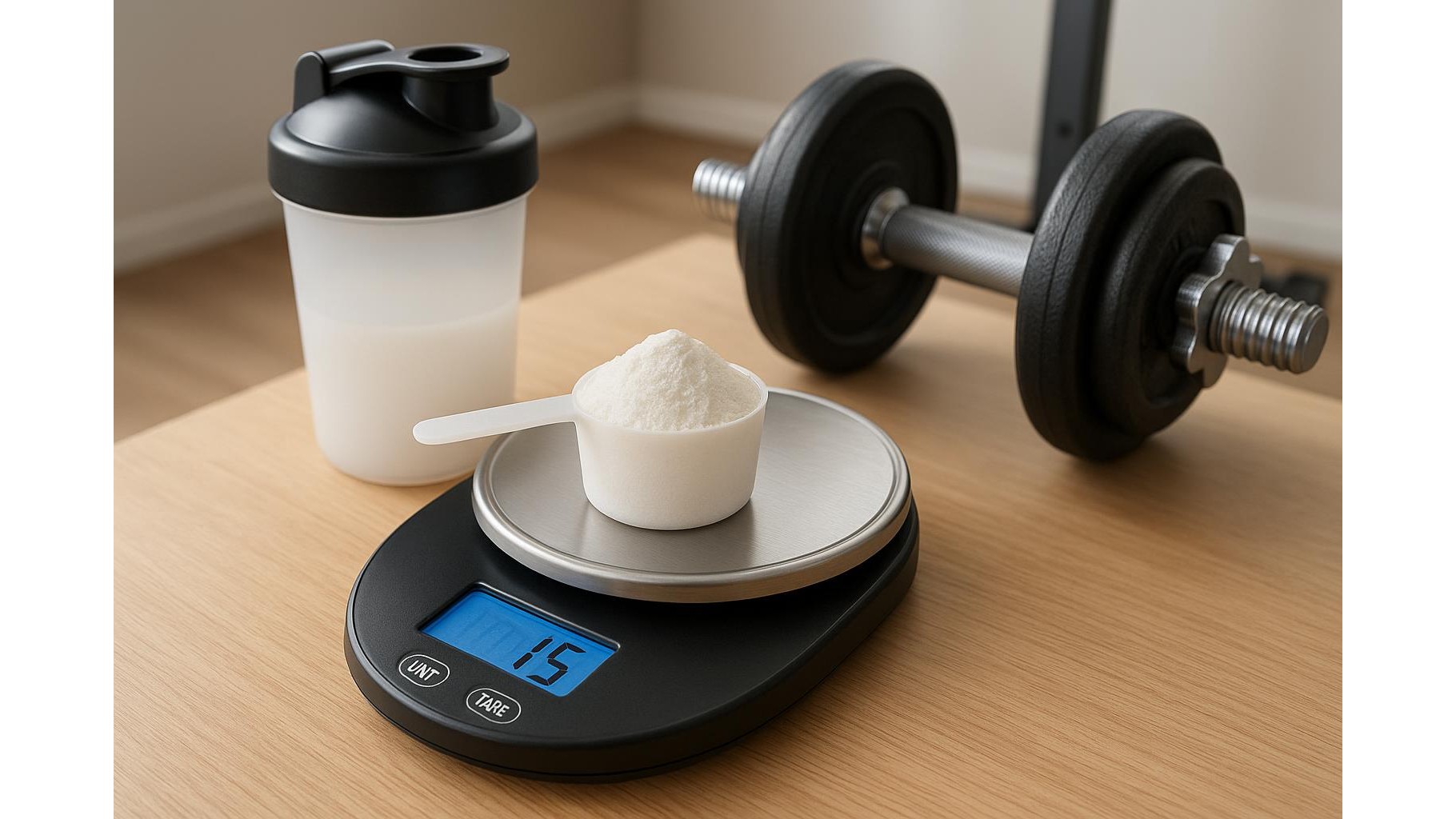
Most performance research uses a daily dose of around 2.5 g of betaine anhydrous, usually split into one or two servings. For home lifters, a practical approach is 2,500 mg taken once per day, with food or mixed into a pre-workout drink. Unlike stimulants, betaine doesn’t need to be timed perfectly before your session to work; what matters most is consistent daily intake over weeks. If you prefer to start cautiously, you can begin with 1,250 mg per day for a week to assess tolerance, then move to the full 2,500 mg. Always use a product that clearly lists the amount of betaine anhydrous per scoop and measure doses accurately using the provided scoop or a digital scale.
Who might benefit most from betaine anhydrous?
Betaine is most promising for intermediate and advanced lifters who already have a solid home training routine in place. If you follow a structured program with progressive overload, train with relatively heavy loads or high-intensity intervals, and pay attention to nutrition and recovery, you’re more likely to notice the modest boosts in power, strength and training volume. It can also appeal to lifters who prefer non-stimulant supplements, since betaine does not contain caffeine. Beginners can still use it safely, but they will see much larger gains from simply practising technique, increasing training frequency and managing volume, so betaine should not be your first priority if you are just starting out.
Safety, side effects and who should avoid it
At typical doses of 2.5 g per day, betaine anhydrous appears to be well tolerated in healthy adults. Some people may experience mild digestive discomfort (such as bloating or nausea), especially if they take large doses on an empty stomach; taking it with food and adequate fluids usually helps. Because betaine can influence homocysteine metabolism, anyone with existing cardiovascular disease, kidney issues, liver disease, or elevated homocysteine should speak to a healthcare professional before using it. Pregnant or breastfeeding individuals, or those on medications affecting methylation or cardiovascular risk, should also seek medical advice first. As with all supplements, choose products from reputable brands with transparent labelling and avoid exceeding recommended doses.
Practical tips for adding betaine to your home gym routine
If you decide to try betaine anhydrous, integrate it thoughtfully into your home strength training plan. Commit to a trial period of at least 6–8 weeks, during which you keep your program, diet and sleep as consistent as possible so that any small changes in performance, strength or body composition are easier to attribute. Track key lifts (such as squat, deadlift, bench, rows) and note any improvements in reps at a given weight or in overall training volume. Combine betaine with other evidence-based basics—creatine monohydrate, sufficient protein (1.6–2.2 g/kg), and adequate calories. Remember that supplements are the final layer: if your fundamentals are not in place, betaine alone will not transform your results.
In summary, betaine anhydrous is a well-researched, non-stimulant supplement that can offer small but useful gains in strength, power and body composition for dedicated home lifters. Its main benefits appear when taken consistently at around 2.5 g per day alongside a structured training program and sound nutrition. For most healthy adults, it is generally safe, with minimal side effects, but those with medical conditions or on specific medications should get personalised advice first. Used intelligently as part of a broader strategy that prioritises training quality, recovery and diet, betaine can be a helpful addition—but not a magic shortcut—to better performance in your home gym.









