
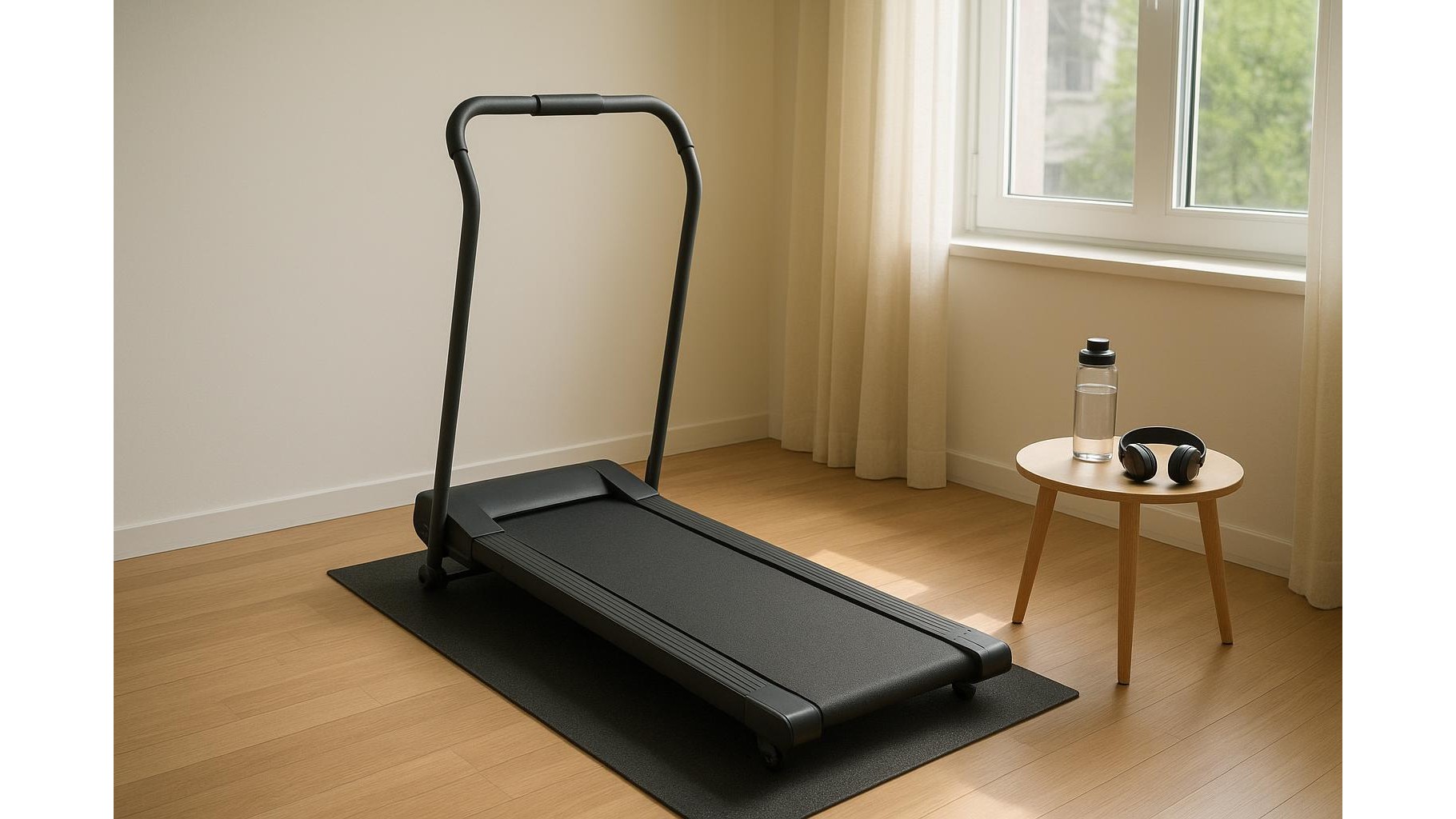
Building a reliable home cardio routine does not have to mean buying a bulky, noisy machine. A quiet manual walking treadmill gives you low-impact movement without a motor, complex electronics or a loud hum under your feet. For small apartments, shared houses or early-morning workouts, picking the right non-motorized treadmill is all about noise control, footprint, stability and ease of use so you can walk in peace while listening to music, podcasts or simply enjoying the silence.
Why choose a manual treadmill for quiet home cardio
A manual walking treadmill is powered by your own stride instead of an electric motor, which instantly removes one of the main sources of noise. The belt moves only when you walk, so there is no constant whirring in the background. This also makes manual models more energy-efficient and typically more compact than motorised options. If you want simple, distraction-free movement while you work at a standing desk, watch TV or decompress after a long day, a manual unit keeps things low-tech and low-maintenance. With fewer electronics, there is less that can break, and often no need for a dedicated power socket, making placement in tight spaces much easier.
Key criteria for a quiet, low-impact walking experience
To keep your home workouts truly quiet, focus on three main factors: the deck and belt, the frame and the feet of the treadmill. A cushioned walking deck with a textured belt reduces the slapping sound of each step. A solid steel frame minimises flex and vibration, which can otherwise amplify noise through the floor. Look for wide, rubberised feet or floor protectors to absorb impact and prevent rattling, especially if you live in an upstairs flat. For low-impact walking, choose a model with a moderate fixed incline or a slight curve that encourages a natural gait without forcing you to march uphill. A longer and slightly wider belt will feel safer and help you walk more smoothly, which again cuts down on sudden, noisy foot strikes.
Features that make manual treadmills apartment-friendly
If you are short on space, prioritise a compact folding design. Many manual treadmills fold the deck up against the frame, allowing you to slide the unit under a bed or stand it behind a door when not in use. Integrated transport wheels make it easier to roll the treadmill into a corner instead of dragging it across the floor. A simple, battery-powered console showing time, distance and estimated calories is more than enough for walking workouts, and it avoids the fan noise and cooling vents associated with bigger motorised machines. Handrails should feel sturdy but not bulky, so they do not get in the way in a narrow hallway or small study. If you share walls with neighbours, look for models marketed as quiet or low-noise, and consider adding a separate protective mat to dampen sound even further.
Setup tips to reduce vibration and protect your floor
Even the best quiet manual treadmill can transmit noise if it is not set up correctly. Place the treadmill on a dense rubber mat or thick rug to absorb some of the impact and stop the frame from shifting. Make sure all bolts and knobs are tightened during assembly; loose hardware often causes creaks and rattles that sound louder than the walking itself. Check that the treadmill sits level on the floor so the belt tracks straight and your steps land evenly. If you feel any wobble in the handrails, adjust them before you begin a regular routine. For shared homes, plan your treadmill zone away from bedrooms and thin internal walls when possible, and avoid placing the deck directly over spots where the floor flexes.
How to use a manual walking treadmill for focused, low-tech workouts
Once your non-motorized treadmill is in place, ease into sessions so you can get used to powering the belt yourself. Start with short walks of 10–15 minutes, concentrating on a smooth, consistent stride that keeps the belt rolling evenly. Many people like to combine manual treadmills with a standing desk, walking slowly while answering emails or watching training videos. Because there is no motor, you control intensity entirely with your pace; speeding up is as simple as walking faster. Without noisy electronics, it is easier to tune into your breathing, posture and foot placement, turning your home cardio into a more mindful practice. Over time, you can add light intervals by alternating brisk and easy walking, or pair your treadmill time with bodyweight mobility work to round out a quiet, equipment-light fitness corner at home.
Choosing the right quiet manual walking treadmill comes down to a few essentials: a sturdy, compact frame that fits your space, a cushioned deck and belt that muffle each step, and careful setup on a supportive mat. With these basics covered, you can enjoy low-impact, low-maintenance cardio at home without disturbing housemates or neighbours. Keeping your equipment simple and silent helps you focus on the habit that matters most: showing up consistently for short, sustainable walking sessions that support your overall health and everyday energy.









