Training at home with dumbbells, kettlebells and pull-up bars can quickly turn into a slip risk when your hands get sweaty. The right pair of anti-slip training gloves will protect your skin, improve your grip and make every rep safer and more comfortable. This guide gives you a practical checklist to help you choose breathable, grippy and durable workout gloves that actually work for intense home sessions without tearing your hands.
Define your home workout needs and glove style
Before buying, clarify how you train. If you mostly do dumbbell and barbell work, you’ll want gloves with full-palm coverage and strong padding under the fingers to soften pressure from knurling. For pull-ups, rings or calisthenics, thinner gloves or palm grips that leave the fingertips free can improve bar feel while still preventing tears and calluses. Think about how much you sweat: heavy sweaters should prioritise breathable mesh backs and quick-drying materials to avoid slippery palms. Also check wrist support needs – some lifters prefer minimalist slip-on gloves, while others benefit from integrated wrist wraps for extra stability during pressing and overhead movements.
Prioritise grip: materials, textures and palm design
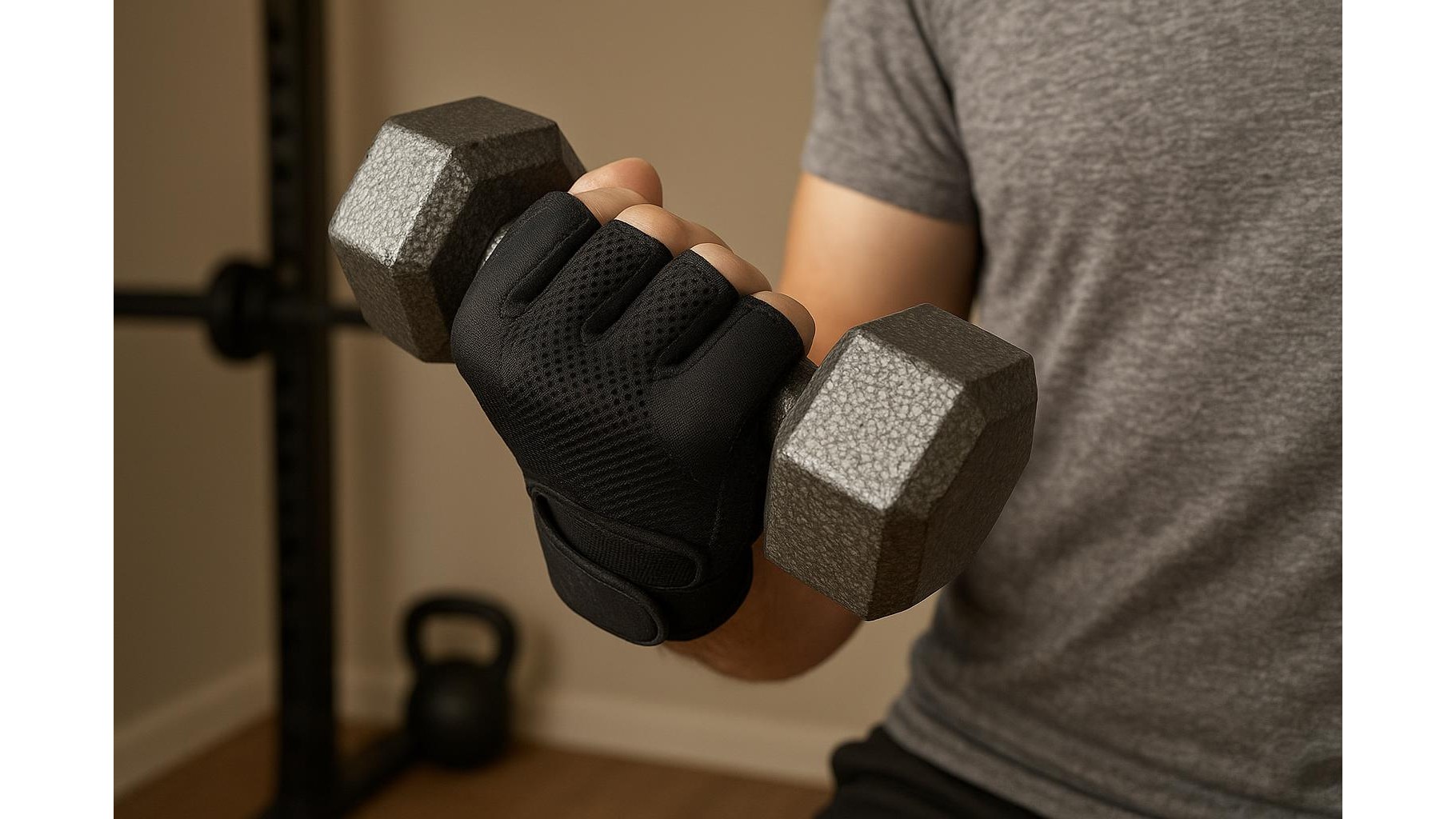
Grip is the core feature of any anti-slip home workout glove. Look for synthetic leather or rubberised palms with silicone patterns that increase friction when you hold dumbbells, kettlebells or a pull-up bar. Avoid overly smooth leather that can become slick with sweat. Many quality models use segmented palm padding, which lets the glove flex naturally while still protecting pressure points. Check that the palm extends slightly over the base of the fingers, where calluses often form. For home gyms with metal bars, a textured or honeycomb silicone layout helps lock your hands in place without needing excessive chalk. Make sure the palm is not too thick – overly bulky padding can reduce control and make light dumbbells feel unstable.
Focus on breathability and sweat management
For intense, high-rep home sessions, breathability is as important as grip. Choose gloves with mesh panels on the back of the hand and between the fingers to allow airflow and help sweat evaporate. Elastic, moisture-wicking fabrics keep your hands drier and reduce the chance of slippage inside the glove. Ventilation holes in the palm can also help, as long as they don’t weaken the material in high-stress areas. Fast-drying synthetics are generally better than heavy leather if you train several times per week and don’t want to put on damp gloves. A good sign of sweat-conscious design is a built-in terry cloth thumb area for wiping your face or forehead between sets, keeping sweat off your hands and your equipment.
Check fit, closure system and ease of use
A good home workout glove should feel like a second skin: snug but not restrictive. Measure your hand and consult the brand’s size chart rather than guessing. Gloves that are too loose can twist under load and compromise your grip; too tight and they will cut circulation and cause discomfort. Look for adjustable wrist closures, usually with a Velcro strap, so you can fine-tune the fit depending on the exercise. If you often switch between exercises that need gloves and moves where you prefer bare hands, choose a design with pull tabs on the fingers so you can remove them quickly between sets. Shorter finger lengths are ideal if you want more tactile feedback on the bar, while longer fingers offer extra protection against friction and callus formation.
Durability, washing and home-gym practicality
Home training often means more frequent, shorter sessions, so your anti-slip gloves must handle regular use. Inspect product descriptions and reviews for mentions of reinforced stitching in key areas like the thumb, palm and finger seams. Double stitching at stress points helps prevent tearing when gripping heavy dumbbells or pull-up bars. Choose materials that are easy to clean – ideally machine washable on a gentle cycle or at least hand-washable without losing shape. Dark colours tend to hide chalk and sweat marks better in a compact home space. If you share equipment, hygienic, quick-drying gloves can also protect your skin from worn or slightly rusty handles. A small carabiner loop or hanging tab is handy for drying your gloves between workouts and keeping your home gym tidy.
Balancing protection, performance and comfort
In the end, the best anti-slip training gloves for sweaty home workouts will balance grip, protection and comfort without feeling bulky. Define your main exercises, then look for breathable, non-slip palms, a secure but flexible fit and durable construction that can handle your weekly training volume. By following this simple checklist, you’ll avoid flimsy gloves that tear after a few sessions and instead find a pair that protects your hands, improves your confidence under the bar and helps you focus on the reps that matter, not on your slipping grip.