For home cardio, it’s easy to default to a classic exercise bike or compact treadmill. But if you struggle with joint pain, lower back issues or simply hate the idea of standing for 30–40 minutes, a recumbent cross trainer (also called a seated elliptical) can be a smarter choice. By combining a supportive seat with an elliptical, low‑impact motion, these machines offer gentle but effective full‑body workouts that fit well into a home gym, especially for beginners, seniors and anyone rehabbing from injury.
What is a recumbent cross trainer?
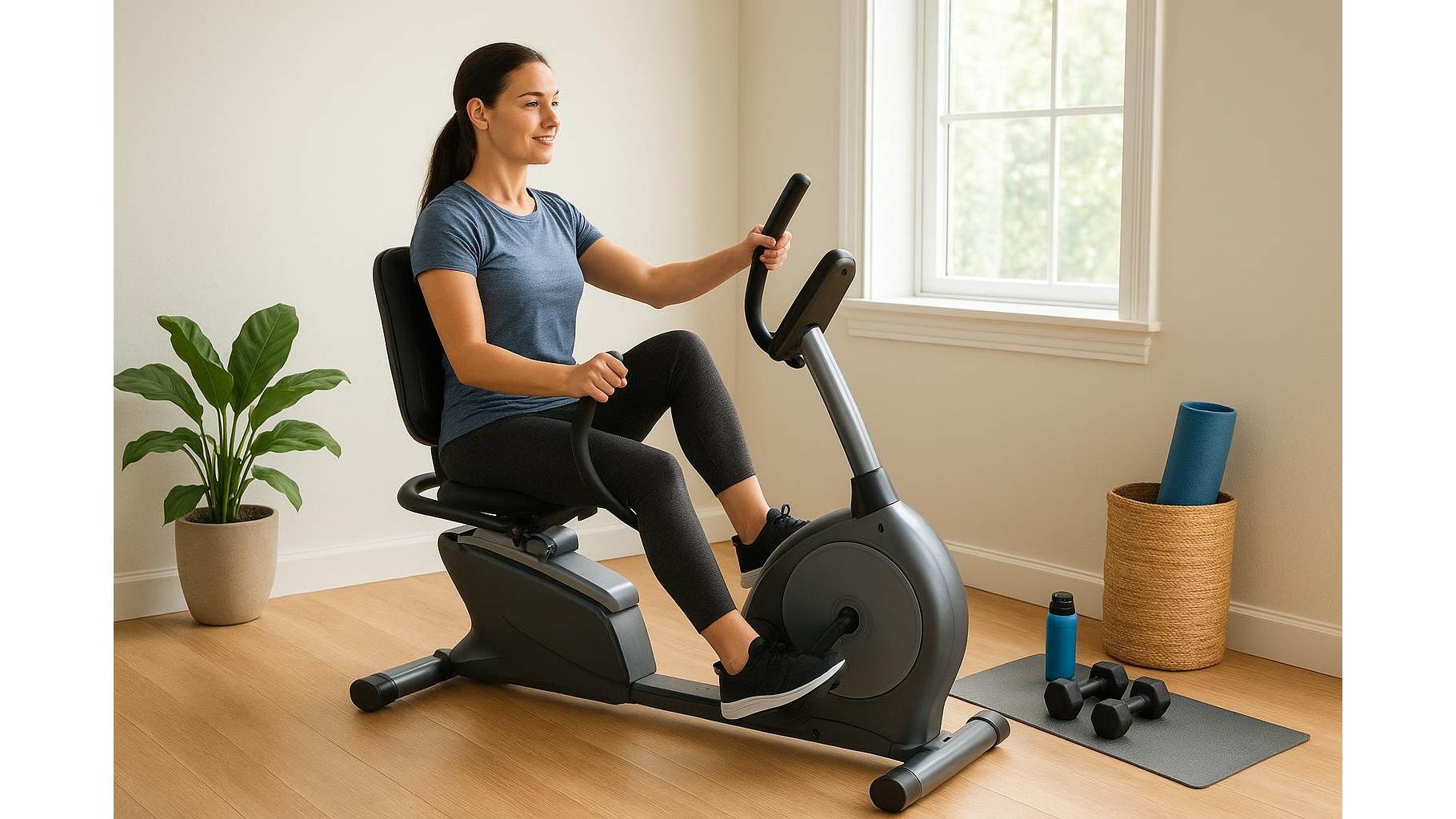
A recumbent cross trainer is essentially a hybrid between a recumbent exercise bike and a standard elliptical. You sit in a semi‑reclined position, supported by a backrest, while your feet move in an elliptical path rather than pedalling in circles. Most models also include moving handlebars so your upper body works in sync with your legs. This seated, supported posture reduces stress on the lower back, knees, hips and ankles compared with a treadmill or upright bike, while still driving your heart rate up for effective low‑impact cardio. For many home users, that combination of comfort and joint‑friendliness is the real game changer.
When a seated elliptical beats a bike or treadmill
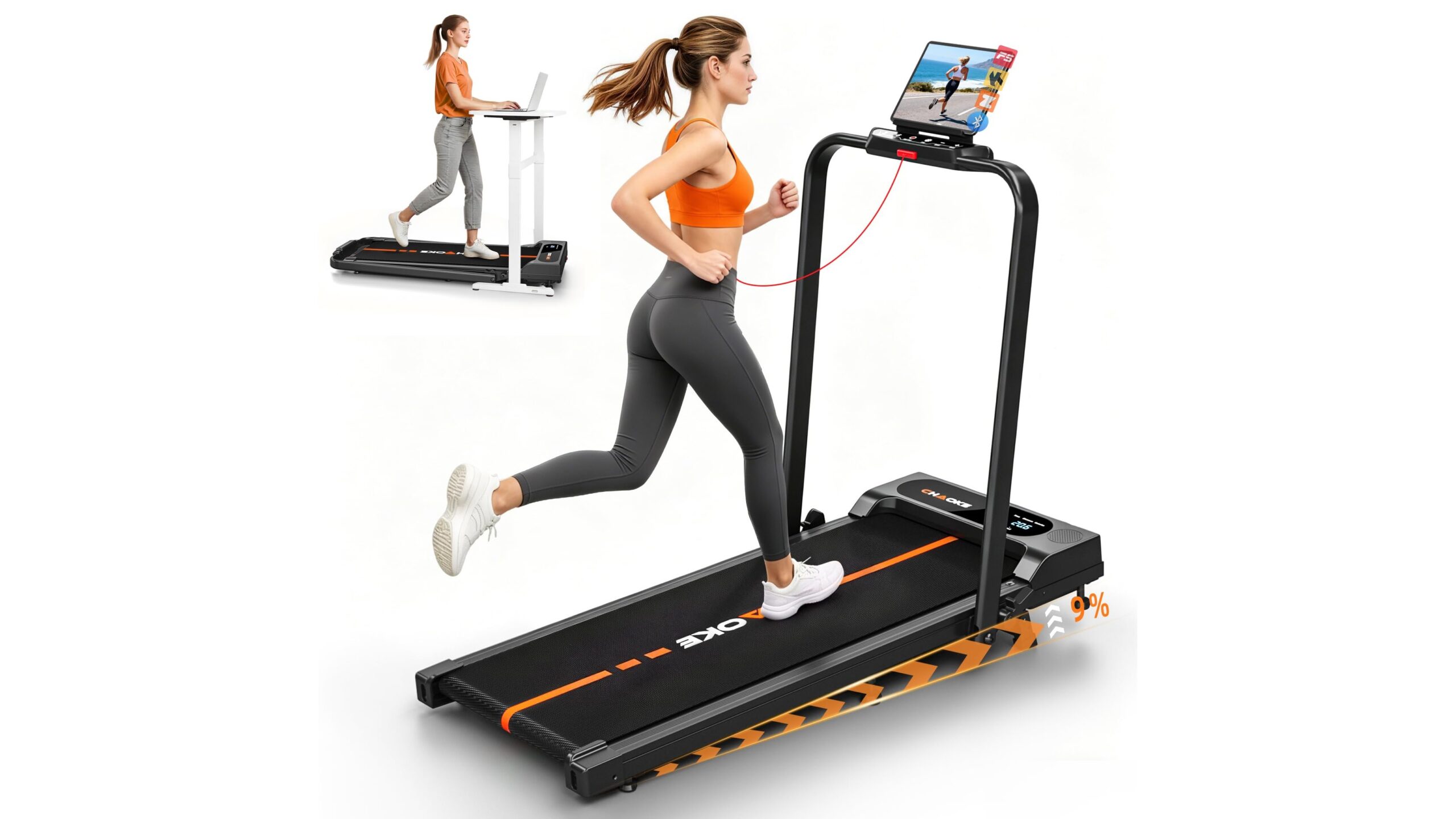
Compared with a treadmill, a seated elliptical trainer wins whenever impact and balance are concerns. There is no pounding on the joints, and you are fully supported by the seat, making it ideal if you are older, overweight or recovering from lower‑limb injuries. Compared with a standard recumbent bike, the elliptical motion tends to engage more muscle groups, including glutes and hamstrings, and—if there are moving arms—the upper body and core as well. You also avoid the numbness and saddle discomfort some people experience on bike seats. For steady‑state fat‑burning cardio, gentle rehab workouts and long, comfortable sessions while watching TV, a recumbent cross trainer often provides a better overall experience than either a bike or treadmill.
Who recumbent cross trainers suit best
Home recumbent cross trainers shine for a few specific user groups. They are an excellent match for beginners who feel intimidated by upright machines but still want a serious cardiovascular workout. They are also well suited to seniors and those with arthritis, back pain or joint replacements, because the seated position and smooth motion reduce strain while supporting balance. If you are returning to exercise after pregnancy, illness or a long lay‑off, a seated elliptical offers a forgiving way to rebuild your cardio fitness and leg strength safely. Even experienced lifters and hobby athletes can use one on recovery days to boost circulation without adding extra impact or fatigue to the joints.
Key features to prioritise in small home spaces
When choosing a recumbent cross trainer for home, size and practicality matter as much as performance. Look for a compact footprint that will fit in your chosen room without blocking doors or walkways. A front‑drive design with a short but smooth stride can work well in tight spaces. Prioritise a sturdy, adjustable seat with a supportive backrest, and check that the resistance system is quiet—ideally magnetic—so you can train early or late without disturbing the household. Transport wheels and a manageable weight make it easier to move the machine after workouts. Simple controls, clear display, and at least several resistance levels or basic programmes will help you progress over time without needing a commercial‑grade console.
How to get the most from a seated elliptical at home
To maximise results from your home recumbent cross trainer, start by setting the seat so your knees stay slightly bent at the furthest point of the stride, and keep your back supported against the backrest. Warm up for 5–10 minutes at low resistance before increasing the difficulty. For general health and weight management, aim for 20–40 minutes of low‑impact cardio three to five times per week, mixing steady, conversational‑pace sessions with shorter, slightly harder intervals. Use the moving arms if available to bring the upper body into play and increase calorie burn. Because seated ellipticals are so comfortable, it’s easy to stay consistent—park yours in front of a TV or near a window and turn workouts into a relaxing daily habit.
In summary, a recumbent cross trainer can be the ideal centrepiece of a home cardio setup when comfort, joint protection and long‑term consistency are top priorities. By combining a supportive seated position with smooth, full‑body motion, it often outperforms a traditional bike or treadmill for beginners, seniors and anyone needing low‑impact training. Choose a compact, quiet model that suits your space, adjust it carefully to your body, and you’ll have a versatile, user‑friendly machine that makes regular cardio feel easier to start—and much harder to skip.