Building a consistent home workout routine does not have to mean downloading more apps, learning new dashboards or fighting with complicated trackers. You can create a surprisingly powerful, low‑friction system using only your existing email, calendar and basic reminders. This minimalist approach keeps your focus on what matters most: actually doing the workouts, not managing the tools.
Design a weekly workout plan in your calendar
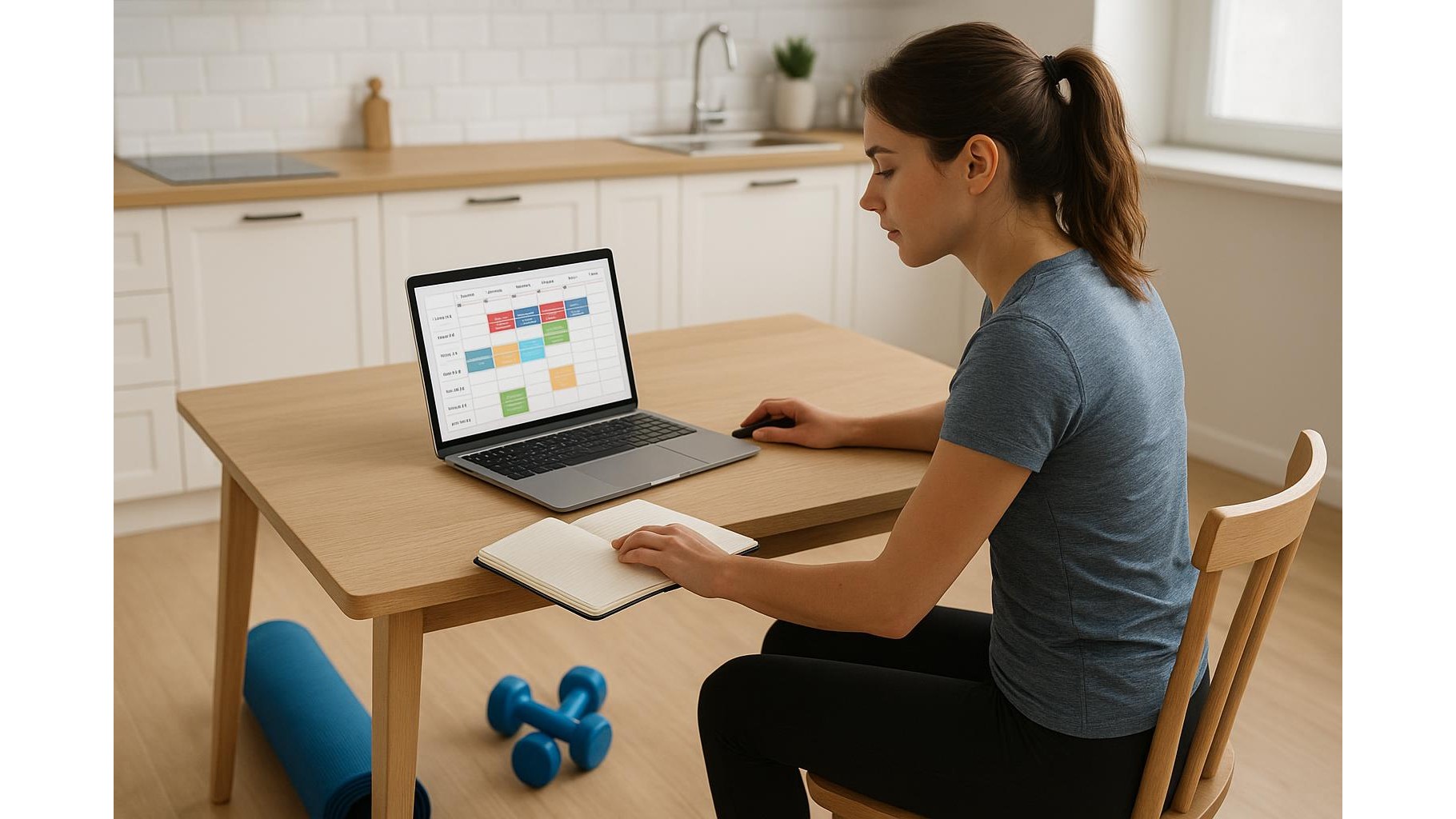
Your digital calendar is the backbone of this simple system. Start by blocking out realistic workout slots for the next week: 20–40 minutes, three to five times. Treat them like meetings with yourself. Give each event a clear title, such as “Home Strength – 20 minutes” or “Mobility and Core – 15 minutes,” and add the exact exercises in the event description. For example, you might include a short circuit using only bodyweight and simple gear you already own at home, like a yoga mat or a pair of light dumbbells. Colour‑code these events so they stand out from work and personal appointments. By putting workouts into the same tool that runs your life, you dramatically increase the chance that you will actually show up.
Use email as your personal workout log
Your email inbox can double as a lightweight training log. Create a dedicated label or folder called “Workouts”. After each session, send yourself a quick email with the workout title in the subject line and the details in the body: duration, exercises, sets, reps and how you felt on a 1–10 scale. You can even copy and paste the workout description from your calendar event. Over time, this creates a searchable archive of your progress without installing any new tools. Once a week, search “Workouts” in your inbox and skim the subjects and notes: you will spot patterns such as missed days, improving performance or recurring aches that tell you when to push and when to ease off.
Automate simple reminders to reduce friction
Most email and calendar platforms include built‑in reminders. Use them strategically to make starting your home workout as easy as possible. Set a reminder 15 minutes before your scheduled session so you can wrap up tasks and change clothes. Add a second reminder at your usual “danger zone” time – when you are tempted to skip, such as after dinner. The key is to keep reminders minimal but precise, not overwhelming. In the reminder text, include a short cue like “5‑minute warm‑up, then 15‑minute circuit” so you know exactly what to do when the notification pops up. This combination of clear blocks in your calendar and targeted reminders removes decision fatigue and keeps your routine sustainable.
Create reusable workout templates inside email or calendar
To speed up planning, turn your favourite sessions into reusable templates that live directly in your email or calendar. In your calendar, create events called “Template – Full Body 20 min” or “Template – Mobility 10 min” with detailed exercise lists in the description. Then duplicate these events each week instead of writing from scratch. Alternatively, draft an email to yourself titled “Workout Templates” and store multiple routines inside as bullet lists. Whenever you schedule new sessions, just copy and paste from that email into calendar events. This simple library of templates keeps variety high without extra apps, and ensures you always know what workout to plug into a free time slot at home.
Review your week and adjust like a coach
Once a week, schedule a 10‑minute “Review Workouts” block in your calendar. During that time, open your email folder for workouts and your past week’s calendar. Count how many planned sessions you completed, and jot a quick summary in a new email or at the bottom of your “Workout Templates” draft: wins, challenges, missed days and energy levels. Look for patterns: are early‑morning sessions more reliable than evenings? Do shorter, 15‑minute workouts fit your home schedule better than long ones? Use these insights to adjust the coming week’s calendar. This simple review ritual transforms basic tools into a feedback loop, helping you refine your home training plan just like a professional coach would.
By combining your calendar for planning, email for logging and reminders for prompts, you build a complete home workout system without a single extra fitness app. The setup is fast, the learning curve is almost zero and everything lives in tools you already open every day. Start with one week of scheduled sessions, log each workout with a short email and run a quick review at the end of the week. In a few cycles, you will have a personalised, low‑tech system that quietly keeps you consistent, focused and progressing in your home fitness journey.