Training in a home gym can be a powerful tool for managing high blood pressure, but adding the wrong pre-workout supplements can quietly undo your progress. Many popular powders and pills are loaded with stimulants, hidden sodium and blood pressure–raising compounds that are risky for people with hypertension. This article offers an evidence-based overview of the main ingredients to limit or avoid, plus practical guidelines to keep your heart and arteries protected while you chase performance at home.
Why stimulants are risky when you have hypertension
Most classic pre-workouts rely on stimulants to boost energy, focus and power. The biggest culprit is caffeine. Doses in many products range from 200 to 400 mg per serving, often higher than a double espresso. Research shows that caffeine can cause short-term rises in blood pressure and heart rate, especially in people who are caffeine-sensitive or already have hypertension. Other stimulants sometimes found in aggressive formulas, such as synephrine (bitter orange), yohimbine, or high doses of theobromine, may further stress the cardiovascular system by tightening blood vessels and triggering palpitations. For home athletes training without medical supervision nearby, this combination can be risky. Safer limits usually mean keeping total daily caffeine below 200 mg and avoiding exotic stimulant blends altogether.
Pump ingredients, nitric oxide boosters and blood vessel effects
Not all pre-workout ingredients are harmful for people with high blood pressure. Many products include pump ingredients such as L-citrulline, L-arginine, beetroot extract and nitrates. These support nitric oxide production, helping blood vessels relax and improving blood flow to working muscles. In some studies, beetroot and nitrates have even shown modest blood pressure–lowering effects. However, doses and combinations matter. When these pump ingredients are mixed with strong stimulants, the net effect on blood pressure becomes unpredictable. High doses of beta-alanine and niacin, common in “tingly” pre-workouts, may cause flushing and a sensation of pressure that can be uncomfortable if you already monitor your cardiovascular health closely. Look for stimulant-free or low-stimulant formulas that prioritise nitric oxide support rather than heavy central nervous system stimulation.
Hidden sodium and blood pressure spikes
Hidden sodium is another concern in popular fitness supplements, especially in electrolyte powders, intra-workout drinks and some pre-workouts. Sodium is not inherently bad; it is essential for nerve and muscle function and can help maintain performance in long or very hot training sessions. However, for people with hypertension or salt-sensitive blood pressure, excess sodium intake contributes to higher readings and reduced effectiveness of blood pressure medication. Some products provide over 400–600 mg sodium per serving, which can quickly add up when combined with processed foods. When choosing supplements for your home gym routine, read labels carefully and aim for low-sodium or balanced electrolyte formulas unless your doctor has given other specific guidance. Pair them with a diet rich in potassium from fruits and vegetables to further support healthy blood pressure.
How to read labels and build a safer stack at home
For home athletes, the most powerful tool is learning to read supplement labels critically. Start by checking the stimulant section: look for caffeine content per serving, and scan for additional stimulants such as synephrine, yohimbine or proprietary “energy blends” where exact doses are hidden. Next, review the pump ingredients and performance aids like creatine, beta-alanine and BCAAs; these are generally safer when used at standard doses, though beta-alanine flushing can feel alarming. Finally, examine sodium and total minerals per scoop. As a rule of thumb, people with high blood pressure should favour caffeine-free or low-dose caffeine products, transparent labels with clearly listed quantities, and third-party tested brands. Consider building your own simple stack with single-ingredient powders such as creatine monohydrate and separate electrolytes so you can control exactly what you are taking.
Practical pre-workout strategies for lifters with hypertension
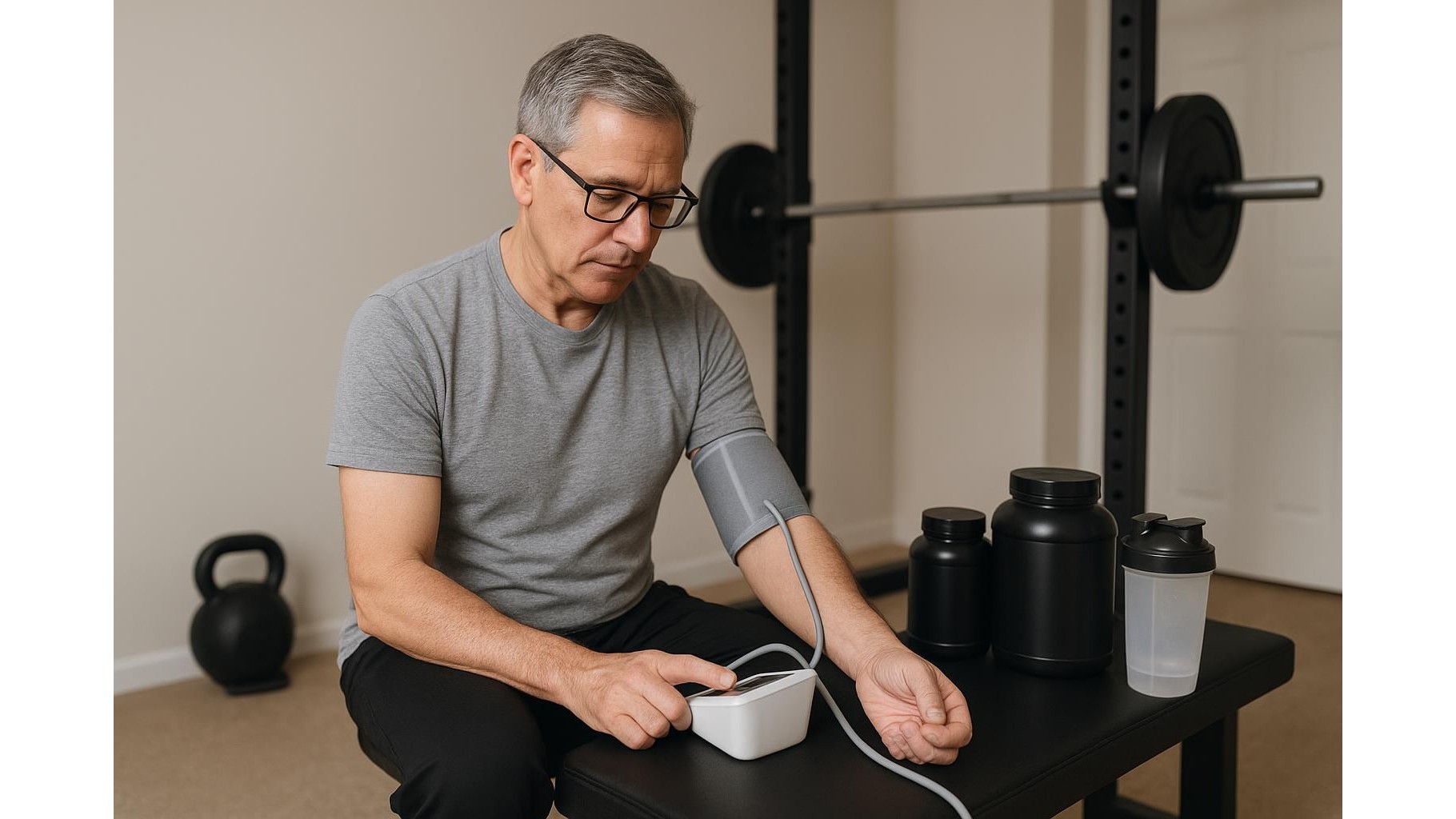
Safe performance support for people with high blood pressure at home does not require aggressive pre-workouts. Many lifters respond well to a moderate cup of coffee or tea (if tolerated), combined with a light snack providing complex carbohydrates and some protein 60–90 minutes before training. For extra focus and blood flow, evidence-backed, non-stimulant options include citrulline malate, creatine and beetroot products in sensible doses. Always introduce one new supplement at a time and monitor your blood pressure before and after sessions during the first week. If you notice sustained increases, headaches, chest discomfort, or unusual shortness of breath, stop the product and consult a healthcare professional. Above all, remember that sleep, stress management and a consistent training programme move the needle far more for performance and heart health than any pre-workout scoop.
For home gym athletes living with hypertension, supplement safety is an essential part of training smart. By limiting strong stimulants, being cautious with pump blends, watching for hidden sodium and learning to decode labels, you can support energy and performance without putting extra strain on your cardiovascular system. Combine modest, well-chosen supplements with medical advice, regular blood pressure monitoring and solid lifestyle habits, and your home workouts can become a powerful ally in protecting both your strength and your heart.