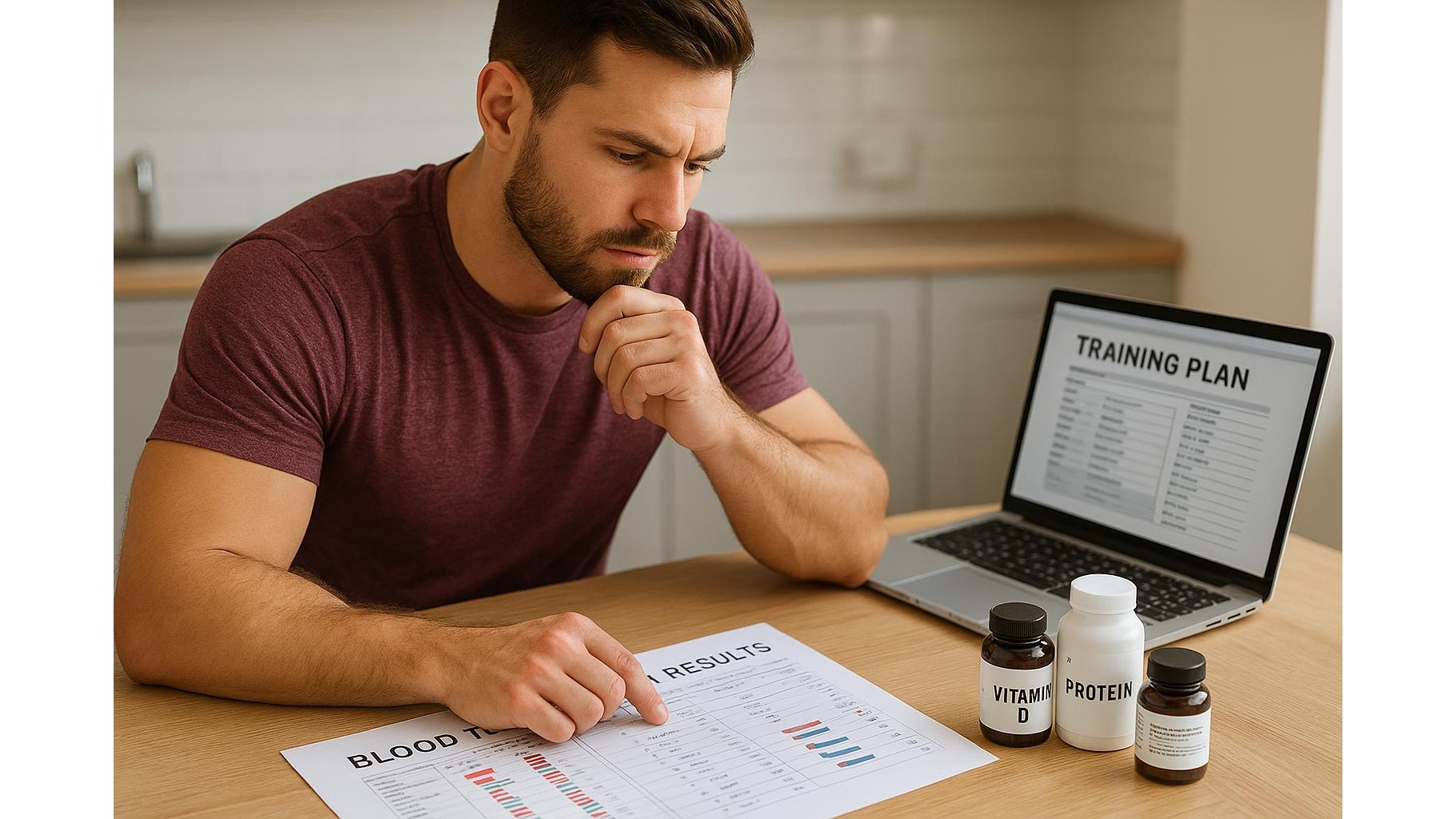
Managing a supplement stack from your home gym can boost performance, recovery and general health, but it also adds variables you should keep an eye on. Basic blood tests give home athletes a snapshot of how their body is responding, so they can spot issues early and avoid chasing marginal gains at the expense of long‑term health. With a structured approach, you can use lab data to fine‑tune your nutrition, adjust dosages and have better conversations with your doctor, without obsessing over every number.
Why home athletes should care about blood work
Heavy training, calorie cuts and multiple supplements all create stress that may not be obvious from how you feel during workouts. Periodic blood work can reveal low iron behind unexplained fatigue, or elevated liver enzymes after adding a new product. It is especially relevant if you use high doses of protein powders, fat burners, pre‑workouts or long‑term vitamin and mineral stacks. Think of tests as a safety check, not something reserved only for elite athletes. Once or twice a year, or when you make a big change to your training or supplement routine, is often enough for a recreational lifter to see trends and discuss them with a healthcare professional.
Key markers to discuss with your doctor
Before booking tests, outline your current supplements and goals so your doctor can recommend relevant markers. Common baseline panels for home athletes include a complete blood count (CBC) to assess red and white cells, plus basic biochemistry for kidney and liver function (creatinine, urea, ALT, AST). If you take protein or creatine, kidney markers are particularly important. Vitamin users might ask about vitamin D, B12 and folate, while heavy lifters could add lipid profile (cholesterol, HDL, LDL, triglycerides) and fasting glucose or HbA1c to track metabolic health. Depending on age and sex, thyroid hormones or sex hormones may be relevant, but these should always be guided by symptoms and professional advice rather than curiosity alone.
Using blood results to adjust supplements
The real value of lab work lies in how you change your routine afterwards. If tests show vitamin D deficiency, supplementing under medical guidance and retesting after a few months can confirm whether your dose is effective. Likewise, if your ferritin or iron levels are low, you might adjust your diet and iron intake rather than loading up on random products. Elevated liver enzymes or unusual kidney markers could prompt you to reduce unnecessary supplements or stop potentially irritating ones like certain herbal blends. Track what you modify after each test in a simple log, including changes in dosages and training volume, so that future results are easier to interpret. Always prioritise safety over quick performance gains when a marker looks borderline or abnormal.
Avoiding number obsession and common pitfalls
It is easy for data‑driven home athletes to become fixated on every lab value. Normal lab ranges are broad and influenced by hydration, sleep, recent training and even lab method. A single slightly high or low number rarely means disaster. What matters more is the trend over time and whether several markers shift together in a concerning direction. Avoid self‑diagnosing or chasing unproven online protocols based on lab screenshots. Instead, bring your results, your supplement list and your training log to a qualified healthcare professional and ask specific questions such as, “Is anything here incompatible with my current supplements?” or “Do you see any reason to reduce my dosage?” This approach keeps you informed without spiralling into anxiety over minor fluctuations.
Practical testing schedule for home gym users
For most healthy home athletes, a sensible plan is to get baseline blood work when you start a serious training block and structured supplement routine, then repeat tests every 6–12 months, or sooner if you introduce aggressive fat‑loss phases or complex stacks. Try to test under similar conditions each time: morning, fasted, well hydrated and after at least one light day of training, so the results are easier to compare. Between tests, pay attention to subjective signs such as sleep quality, recovery, mood and workout performance; these, combined with lab data, give the best picture of how your supplements and training are affecting your body. Remember that responsible self‑monitoring is about supporting long‑term health and sustainable performance, not chasing perfection in every metric.
Used wisely, blood tests turn your supplement and training plan into a more objective experiment rather than a guessing game. By selecting relevant markers with your doctor, tracking trends instead of single values and making measured adjustments to your supplement stack, you can protect your health while still pursuing strength, endurance and body‑composition goals in your home gym. Focus on the big picture, use professional guidance and let data inform your choices without controlling them.