
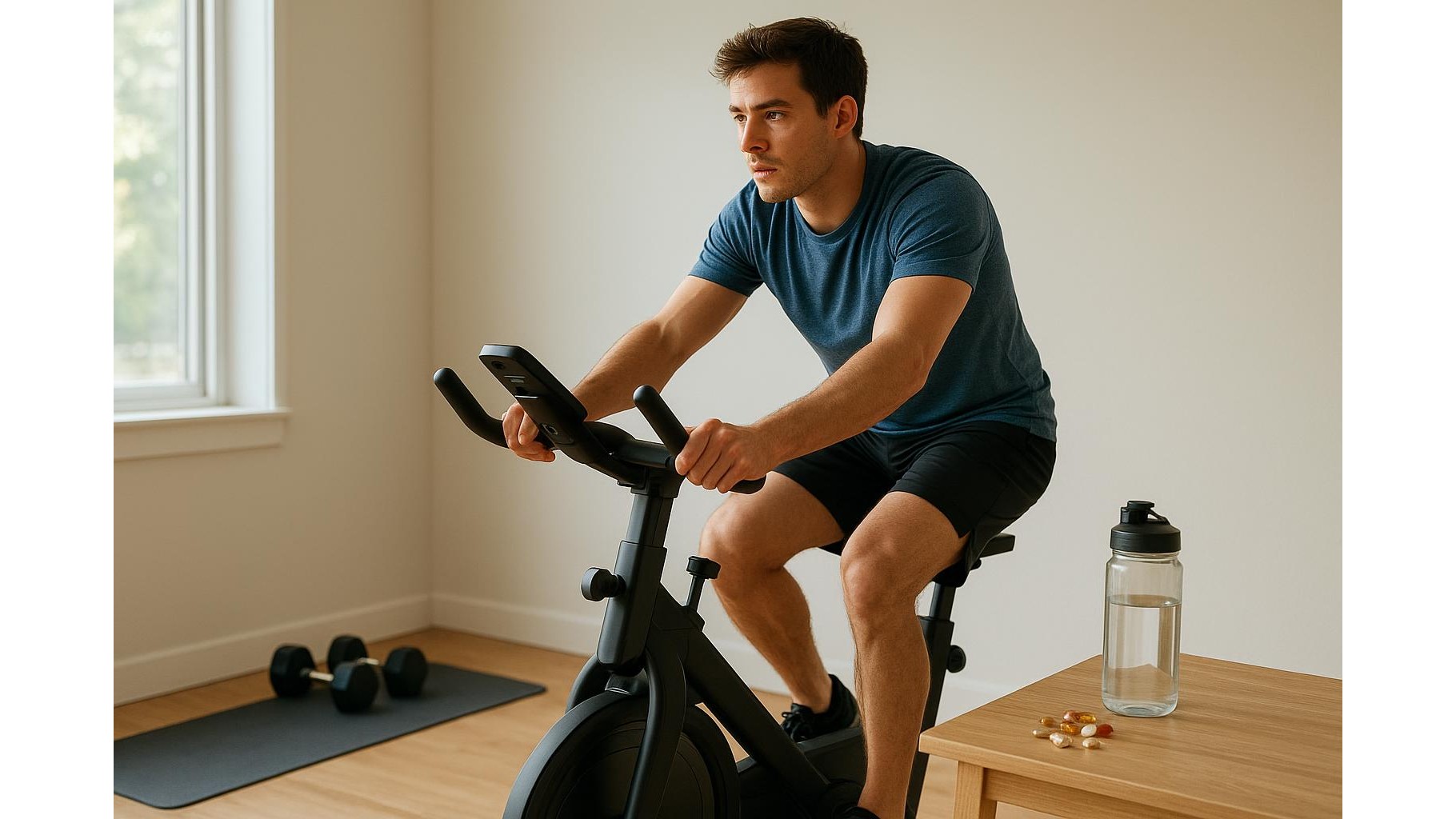
When you push hard on your home cardio setup – whether it is a treadmill, exercise bike or rowing machine – you are not just burning calories. Intense sessions increase the production of free radicals, which has led many people to consider astaxanthin and other antioxidant supplements to boost recovery. But can these pills really help, or are they unnecessary for most home athletes? This article looks at the current evidence and explains when they may make sense in your routine.
What is astaxanthin and why do home athletes care?
Astaxanthin is a red carotenoid pigment found in microalgae, salmon and krill. It is a fat‑soluble antioxidant that can embed in cell membranes and potentially protect them from oxidative damage during repeated cardio sessions. Some small human studies suggest that astaxanthin may support endurance performance and reduce markers of oxidative stress and inflammation after exercise. For people who train mostly at home and repeat similar sessions day after day, this theoretical protection is appealing: less oxidative stress could mean slightly better muscle recovery, less soreness and more consistent training. However, most studies use small samples, specific populations and varying doses, so expectations should remain modest.
Other antioxidant supplements: vitamin C, vitamin E and blends
Besides astaxanthin, popular antioxidant supplements for cardio enthusiasts include vitamin C, vitamin E, coenzyme Q10 and multi‑ingredient blends that promise recovery support. These compounds can neutralise free radicals in the body and may reduce acute markers of exercise‑induced oxidative stress. However, large research trials have shown that chronic high‑dose antioxidant supplementation can blunt some of the body’s own adaptive responses, such as improved mitochondrial function and natural antioxidant enzyme activity. For someone who does steady, progressive home cardio training, this means that taking high doses of vitamin C and E every day around workouts could slightly reduce the improvements you get from your sessions, especially in untrained or moderately trained individuals.
When antioxidant supplements might actually help
There are situations where astaxanthin or other antioxidants may be beneficial. If you are in a phase of very high training volume on your home treadmill or bike – for example, doubling sessions to prepare for an event – the overall oxidative load may temporarily exceed your usual capacity. Short‑term use of moderate‑dose antioxidants, taken away from every single workout, might help you tolerate this overloaded block. Similarly, if your diet is poor in colourful fruits, vegetables and healthy fats, a carefully chosen supplement could compensate for low baseline antioxidant intake. People with specific medical conditions or older athletes with joint issues may also discuss targeted antioxidant use with a healthcare professional, as part of a broader recovery strategy that includes sleep, nutrition and appropriately programmed training.
When they are unnecessary or even counterproductive
For most people doing home cardio three to five times per week at moderate to hard intensity, a balanced diet is usually enough to cover antioxidant needs. In this context, routine high‑dose vitamin C and E supplements around every workout are not only unnecessary; they may hinder some of the beneficial adaptations to training. The body uses a certain level of oxidative stress as a signal to grow stronger; constantly suppressing that signal can reduce gains in endurance and metabolic health. If you already eat a diet rich in berries, leafy greens, nuts, seeds, olive oil and oily fish, adding extra antioxidant capsules is unlikely to improve recovery meaningfully. Instead, focusing on sleep quality, hydration and smart training progression will provide a far better return on effort.
Practical guidance for your home cardio routine
For a home athlete, the priority should be to build a foundation with whole foods that naturally provide a spectrum of antioxidants and anti‑inflammatory nutrients. Aim for multiple servings of colourful vegetables and fruits daily, include sources of omega‑3 fats like salmon or flaxseeds, and ensure enough protein to support muscle repair. If, after locking in these basics, you still want to experiment with astaxanthin, keep the dose moderate and avoid treating it as a magic bullet. Do not rely on antioxidants to fix poorly structured training or chronic sleep deprivation. Track how you feel across several weeks – energy, soreness, sleep – and consider cycling off periodically. Always speak with a professional if you take medication or have medical conditions, since even seemingly mild supplements can interact with treatments.
In summary, astaxanthin and other antioxidant supplements can play a small, supportive role in recovery for certain home athletes, especially during short periods of intensified training or when diet quality is low. For the majority of people training at home, however, consistent cardio programming, nutrient‑dense food, good sleep and stress management contribute far more to performance and long‑term health than any capsule. Think of antioxidants as optional tools rather than essentials, and base your home gym progress on habits that are proven to matter most.









