When you train at home, your leggings have to work just as hard as you do. Between long sessions of sitting at your desk, quick living-room workouts and deep squat sets, the right pair can make the difference between feeling supported or constantly adjusting your waistband. In this guide we compare seamless leggings and seamed leggings for home training, focusing on comfort while sitting, squat security, waistband grip and how both options handle daily use.
What are seamless and seamed leggings?
Seamless leggings are made using circular knitting technology, so the body of the legging has minimal stitching. This usually means a very smooth inside, fewer friction points and a second-skin feel that many people love for home workouts and lounging. Seamed leggings, by contrast, use traditional cut-and-sew panels. Visible seams shape the legging, allowing brands to place compression, contouring and pockets exactly where they want them. For home training, this design difference affects how the fabric stretches when you squat, how it feels against the skin when you sit for hours and how securely the waistband stays put.
Comfort while sitting and stretching at home
If you spend a lot of time working from home, comfort while sitting is crucial. Seamless leggings tend to excel here thanks to their soft, uniform knit and the absence of bulky side seams that could press into your skin when you sit on a chair or the floor. The fabric usually has high elasticity, so it moves easily during light stretching between calls. Seamed leggings can feel slightly more structured: the panels and stitching may be noticeable at the back of the knees or along the thighs. However, good-quality flatlock seams minimise rubbing and can actually provide a gentle sense of support. For all-day wear around the house, many people prefer seamless styles, while those who like a more held-in, “ready-to-train” feeling lean toward well-constructed seamed designs.
Squat security and stay-opaque coverage
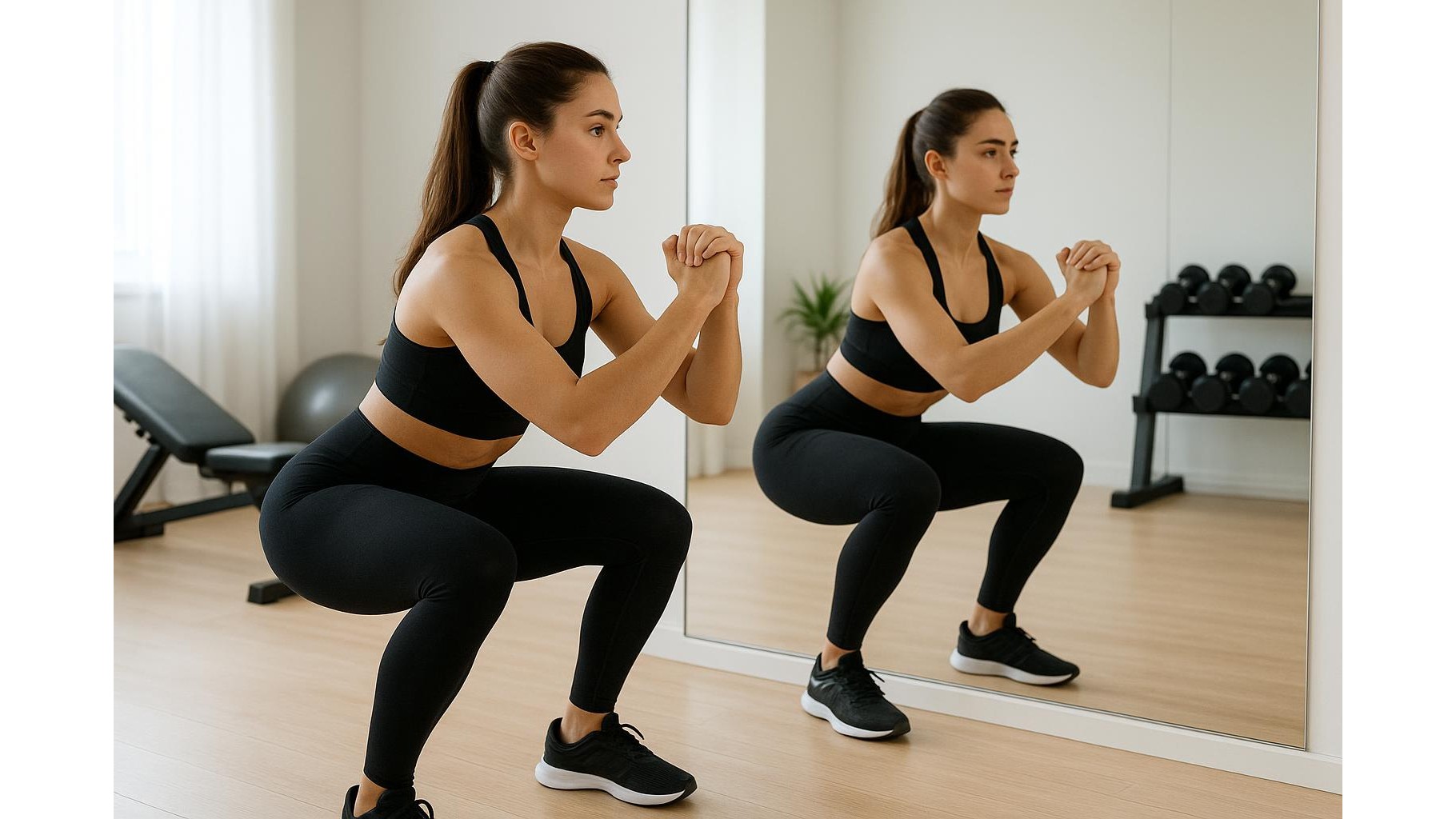
For home workouts, especially leg days, squat-proof leggings are non-negotiable. Seamed leggings usually have an advantage here because panel construction lets manufacturers combine denser fabrics with strategic stitching to prevent sheerness when you bend or lift. The structure limits how much the material thins out over the glutes during deep squats. Seamless leggings can also be squat-proof, but lower-quality versions sometimes become slightly sheer under bright indoor lights. When choosing seamless options, look for thicker knits and darker colours to maintain coverage. Always test your leggings by doing a few bodyweight squats in front of a mirror at home; if the fabric stays opaque and you do not feel it sliding down, you are ready for serious training.
Waistband grip and freedom of movement
A secure high-waisted waistband is one of the biggest differences you will notice between seamless and seamed leggings. Many seamed leggings use a double-layer waistband or hidden elastic channel to grip the waist firmly, which helps them stay in place during jumping jacks, burpees and dynamic home circuits. This structure can be especially helpful if you have a curvier shape or if you do intense HIIT in your living room. Seamless leggings typically rely on compression from the knit itself; the waistband can feel more forgiving and comfortable, but on some bodies it may roll or slide during repeated squats or crunches. For yoga, Pilates and lighter home sessions, this softer hold often feels ideal, while for fast, sweaty workouts, a more engineered seamed waistband tends to provide better security without constant readjustment.
Durability and how each style handles daily use
Home training means your leggings will face frequent washing, floor contact and a mix of lounging and exercise. Seamed leggings, made from cut-and-sew performance fabrics, often offer superior long-term durability. Reinforced stitching, thicker materials and panel construction help them resist pilling and bagging at the knees. They are usually more forgiving when brushed against rough surfaces like yoga mats or household flooring. Seamless leggings can feel incredibly soft at first, but lower-quality knits sometimes snag more easily and may lose compression after many washes. To extend the life of both types, wash inside out on a gentle cycle, avoid fabric softeners and air-dry. If you train most days at home, rotating two or three pairs and reserving your favourite seamless style for lighter sessions can help preserve elasticity and shape.
Which leggings are best for your home workouts?
Choosing between seamless vs seamed leggings for home workouts comes down to your priorities. If you want a barely-there feel for long days at home, frequent sitting and low- to medium-intensity sessions, seamless styles offer exceptional comfort and flexibility. If your focus is heavy squats, HIIT or you simply prefer maximum coverage, structure and waistband grip, high-quality seamed leggings are usually the better investment. Many home athletes keep both options: seamless for relaxed movement and recovery days, seamed for tougher training blocks. Pay attention to fabric density, waistband construction and how the leggings behave in a quick at-home squat test, and you will find the pair that supports every rep and every hour you spend in your home gym.