
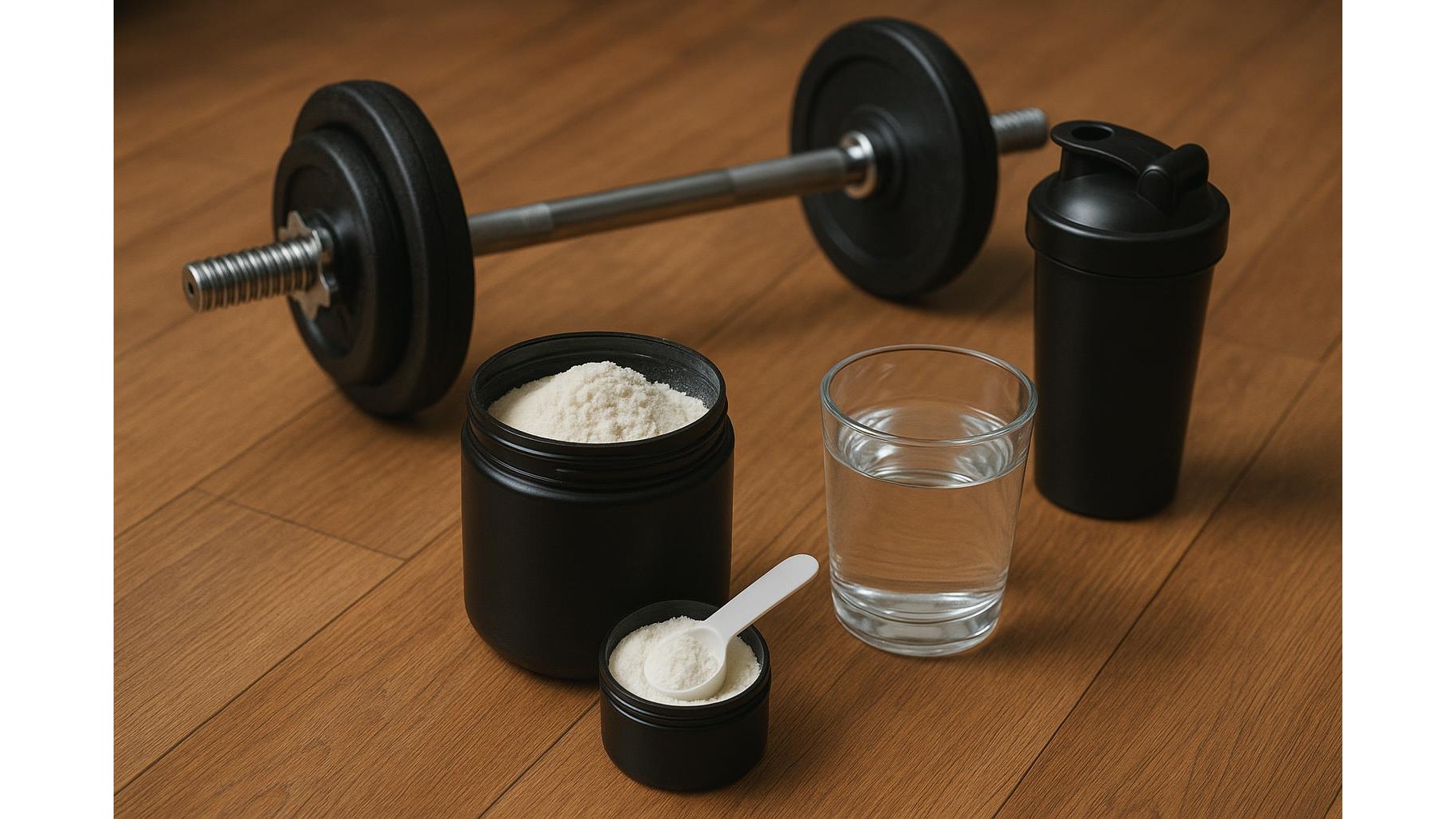
For home lifters aiming to maximise strength and muscle gains, creatine is one of the most effective and researched supplements available. Still, many trainees are unsure whether to choose classic creatine monohydrate or newer creatine HCL. Both forms promise better performance, but they differ in cost, dosage and potential side effects. This guide compares pros, cons and practical use for your home gym routine, so you can invest wisely and avoid unnecessary complications.
What is creatine and why does it matter for home training?
Creatine is a naturally occurring compound stored in your muscles and used to regenerate ATP, the primary fuel for short, intense efforts like heavy squats, deadlifts and sprints. Supplementing with creatine increases your muscle creatine stores, helping you squeeze out extra reps, lift slightly heavier and recover faster between sets. Over weeks and months, this can translate into noticeable strength and muscle mass gains. For home lifters with limited equipment, that extra performance is especially valuable because it lets you get more stimulus from the same barbell, dumbbells or resistance bands.
Creatine monohydrate: the proven, budget-friendly choice
Creatine monohydrate is the most researched form of creatine, with decades of studies supporting its safety and effectiveness. It is typically sold as a flavourless powder that mixes easily with water or juice. A standard dose is 3–5 g per day. Some lifters use a short loading phase of 20 g per day (split into 4 doses) for 5–7 days, but this is not strictly necessary; daily use of 3–5 g will saturate your muscles within a few weeks. For most home trainees, monohydrate offers the best balance of results and cost. The main drawbacks are that some people experience mild water retention or stomach discomfort if they take large doses at once, especially on an empty stomach. Splitting the dose and consuming it with food can often solve this issue.
Creatine HCL: lower dose and gentler on the stomach
Creatine HCL (hydrochloride) is a modified form designed to be more water-soluble. Because of this, brands typically recommend smaller servings, around 1–2 g per day. Many users report fewer digestive issues compared to high doses of monohydrate, and some find they feel less bloated. This can be appealing if you are sensitive to supplements or train early and do not want a heavy feeling in your stomach. However, current evidence does not show that creatine HCL builds more muscle or strength than monohydrate when equivalent muscle creatine levels are reached. The main benefits are practicality—smaller doses and potentially better tolerance—rather than superior performance outcomes.
Dosing strategies for home lifters
For home trainees, the priority is consistent daily intake rather than complex protocols. With creatine monohydrate, aim for 3–5 g once per day, ideally taken with a meal containing carbs and protein, such as breakfast or your post-workout shake. There is no strict need to time it immediately around workouts; muscle saturation over time is what matters. For creatine HCL, follow the product’s instructions, which usually recommend 1–2 g daily. You can take it pre-workout if that helps you remember, or with any meal. Stay well hydrated with both forms; proper fluid intake supports performance and may minimise cramping or discomfort. If you ever experience digestive issues, reduce the dose and spread it across two smaller servings.
Cost, convenience and choosing the right form
When comparing creatine monohydrate vs creatine HCL, the biggest differences for home lifters are price and tolerance. Monohydrate is significantly cheaper per effective dose, making it ideal if you want long-term supplementation without straining your budget. It also comes in large tubs that last for months, which suits anyone training at home and buying in bulk. Creatine HCL is usually more expensive per gram but may be worth it if you are prone to stomach upset or strongly dislike the feeling of water retention. In terms of muscle and strength results, both forms appear to be similar when used correctly, so your choice should be guided mainly by how your body responds and how much you are willing to spend.
Practical recommendation for home gym athletes
For most home lifters, starting with creatine monohydrate is the smartest move: it is affordable, well studied and effective for strength and muscle gains. Take 3–5 g daily, stay consistent for at least 4–6 weeks, and monitor your progress in key lifts like squats, deadlifts and presses. If you notice persistent bloating or digestive discomfort that does not improve by adjusting timing and dose, switching to creatine HCL at 1–2 g per day is a reasonable alternative. Remember that creatine is only one piece of the puzzle: progress in your home gym depends primarily on a solid training plan, sufficient protein, sleep and recovery. Used correctly, either form of creatine can give you that extra edge to get stronger with the equipment you already have.
In summary, creatine monohydrate is the best starting point for home trainees thanks to its low cost and strong research backing, while creatine HCL can be useful for those with sensitive stomachs or a preference for smaller doses. Focus on daily consistency, smart training and good nutrition, and creatine—whichever form you choose—will support your long-term strength and muscle goals in your home gym.









