Home red light therapy panels have exploded in popularity among athletes and home gym enthusiasts. Promises range from faster muscle recovery and reduced joint pain to better sleep and performance. But what does the research actually say, and how can you use these devices safely and realistically at home? This guide looks at the science, the limits, and how to choose and use panels in a smart way.
How red light therapy works on muscles and joints
Red and near‑infrared light therapy (often called photobiomodulation) uses specific wavelengths, usually around 630–670 nm (red) and 810–880 nm (near‑infrared). These wavelengths can penetrate tissues and interact with mitochondria, the cell’s energy factories, potentially boosting ATP production and reducing oxidative stress. Research on athletes and rehab patients suggests modest benefits for DOMS (delayed onset muscle soreness), small improvements in strength recovery, and reduced joint discomfort when used correctly around training sessions. However, effects are typically subtle, not miraculous, and highly dependent on dose, wavelength, and consistency of use.
What science really says about recovery and performance
Current evidence for red light therapy and performance is promising but still evolving. Small clinical studies show that pre‑ or post‑workout light exposure can slightly improve time to fatigue, jump performance and recovery markers in trained subjects. For joint pain (knee, shoulder, chronic tendinopathies), trials report reductions in pain scores and improved function when red light is combined with standard rehab. On the other hand, results are inconsistent between studies because devices, treatment times and dosing vary widely. There is not yet a universal protocol that guarantees big gains, and elite‑level performance benefits remain uncertain. Think of panels as a supportive tool alongside training, sleep and nutrition rather than a standalone performance hack.
Red light therapy and sleep, mood and skin
Many home users are interested in sleep quality and mood benefits from red light therapy. Some studies suggest evening exposure to low‑intensity red or near‑infrared light around the eyes (without looking directly into intense sources) may support melatonin production and circadian rhythm, potentially improving sleep onset and subjective restfulness. There is also emerging evidence for reduced seasonal low mood and improved skin health such as fine lines and acne, due to better collagen synthesis and reduced inflammation. However, most of these trials use controlled medical‑grade devices and specific protocols. Home panels can approximate this, but expectations should remain modest: you may notice slightly better wind‑down at night or calmer skin over weeks, not overnight transformations.
How to choose a safe home red light therapy panel
When shopping for a home red light therapy panel, prioritise safety, wavelength and power density over hype. Look for products that clearly state their wavelengths (for example, around 660 nm red and 850 nm near‑infrared) and provide independent measurements of irradiance (power density, usually in mW/cm²) at specified distances. Avoid devices that do not disclose technical specs or make extreme medical claims. Prefer panels with built‑in timers, clear operating instructions, and safety guidance regarding eye protection and recommended distances. Because regulations for wellness devices are looser than for medical equipment, always default to conservative usage: shorter sessions, a sensible distance from the panel, and discontinuing use if you notice irritation or headaches.
Practical protocols: how to use panels in your home gym
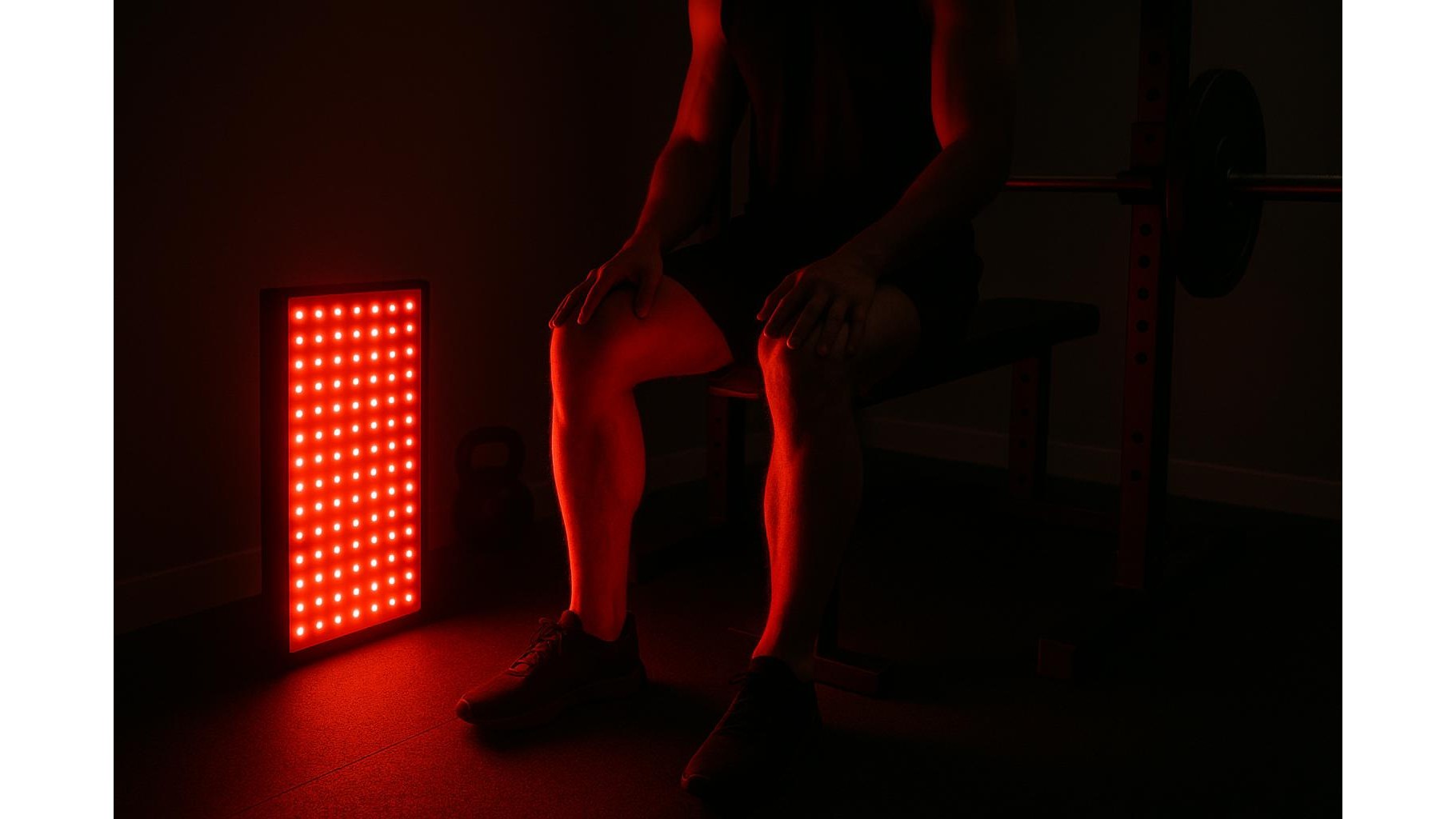
To integrate red light therapy into your home gym routine, start with conservative, repeatable protocols. For muscle recovery, position the panel 20–60 cm from the target area and use it for 5–15 minutes per area, ideally post‑workout on training days, 3–5 times per week. For joint pain, focus sessions on the affected joint, adjusting time based on comfort and manufacturer guidance. For sleep support, consider a short, low‑intensity session earlier in the evening on larger body areas rather than shining intense light directly into the eyes. Track how you feel—soreness, energy, sleep and performance—in a simple log for at least 4–6 weeks. Consistency matters more than chasing maximal intensity; more light is not always better, and overdosing can blunt potential benefits.
In summary, home red light therapy panels are a potentially useful recovery tool for athletes and lifters, but they are not magic. The science supports modest improvements in muscle recovery, joint pain and possibly sleep, provided you use appropriate wavelengths, sensible doses and consistent routines. Choose devices with transparent technical specs, respect safety guidelines, and pair light therapy with the fundamentals: structured training, quality sleep, sound nutrition and good stress management. Used this way, red light becomes one more evidence‑informed tool in your home gym, rather than an overhyped shortcut.