Building a home gym for safe solo lifting is all about balancing space, budget and confidence under the bar. A compact Smith machine can offer guided, stable movement for squats, presses and rows without needing a spotter, but not every model is right for a small room. This guide walks you through whether a Smith belongs in your training space and how to choose a compact, efficient unit that supports effective strength work at home.
Table of contents
Does a Smith machine belong in your home gym?
Before buying, be clear on why you want a Smith machine. Its fixed bar path makes it ideal for controlled squats, bench presses and lunges when you train alone, and the multiple safety stops reduce the risk of getting pinned under the bar. It’s less versatile than a full rack with free barbell, but more confidence‑inspiring for beginners, those rehabbing injuries or anyone lifting without a partner. If your goals centre on hypertrophy, general strength and stability rather than competitive powerlifting, a compact Smith can fit perfectly alongside adjustable dumbbells and bands.
Key safety features for solo lifting
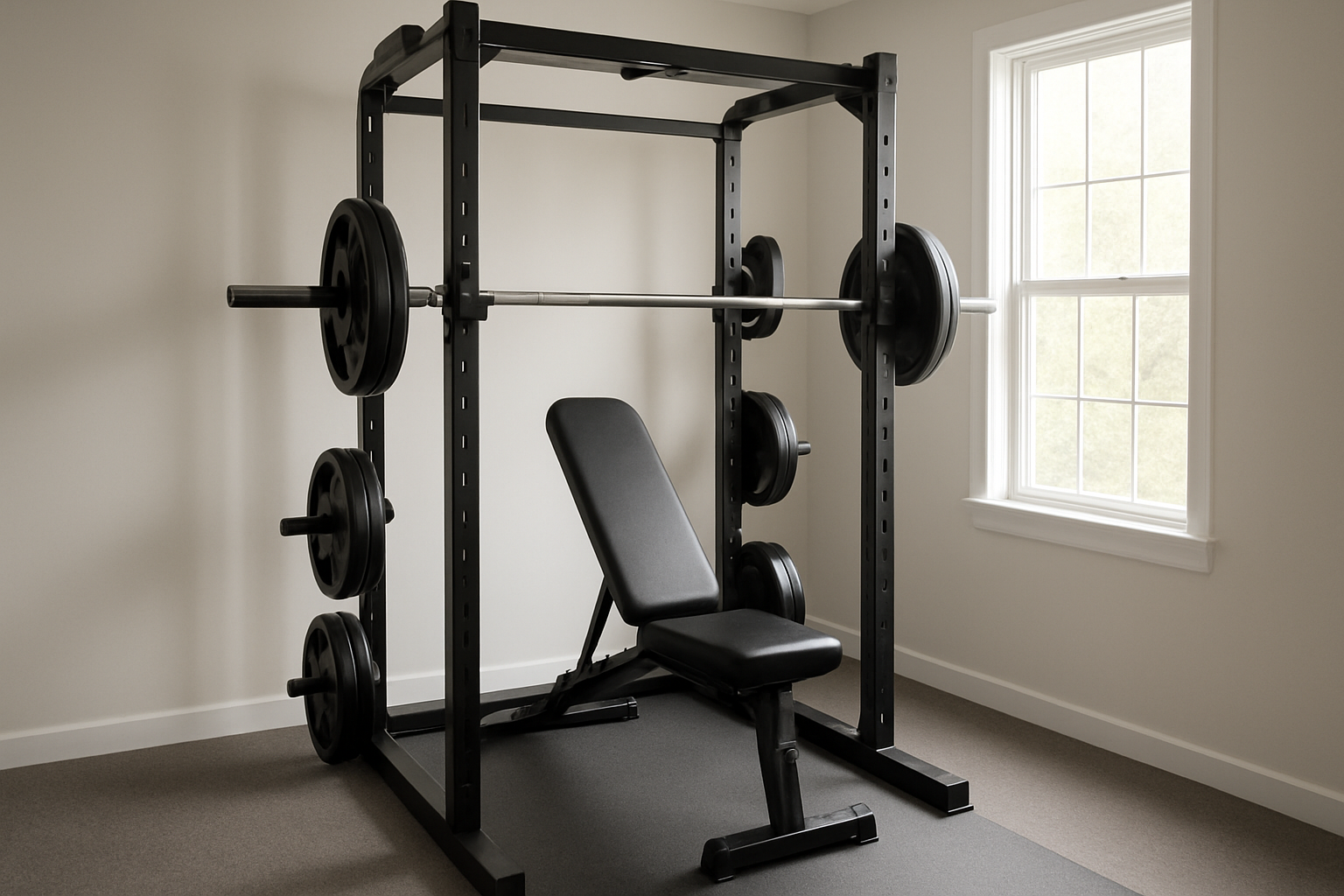
For safe solo lifting in a home gym, safety features matter more than fancy extras. Look for multiple racking points along the uprights so you can quickly twist and hook the bar at many heights. A solid, easily adjustable safety stop system is essential; you should be able to set a bottom limit for squats or presses in seconds. Check that the bar glides smoothly on linear bearings or quality bushings, with no sticking or wobble. A robust, wide base frame reduces tipping risk, especially if you do explosive movements or train on carpet. Finally, a clear, readable weight rating gives you confidence that the machine can handle your heaviest sets with a margin of safety.
How to choose a truly compact model for small spaces
In a flat or single spare room, the footprint of a compact home Smith machine is crucial. Measure your available floor space and ceiling height before shopping; remember you need extra headroom for standing presses and to load plates. Prioritise a narrow but deep frame that sits neatly against a wall and leaves space in front for benches and accessories. Low‑profile designs without oversized weight horns or bulky cable towers are easier to position in corners. If you plan to move it occasionally, look for integrated transport wheels and a reasonable total weight. Compact doesn’t mean flimsy: even smaller units should have thick steel uprights, stable cross‑bracing and a base that doesn’t rock when you rack the bar hard.
Essential vs nice‑to‑have features
To get value from your investment, decide which features really matter. Essentials for most lifters include a smooth Smith bar, adjustable safety stops, multiple hook positions and plate storage to keep your area tidy. Depending on your training style, you may want an integrated pull‑up bar and low/high cable pulley for rows, pulldowns and triceps work. Extra add‑ons like landmine attachments, dip handles or jammer arms are useful but not mandatory for effective training. Avoid paying a premium for gimmicks if it forces compromises in build quality, stability or safety. A simpler, solid compact Smith often beats a feature‑stuffed but shaky all‑in‑one tower.
Programming effective strength work on a Smith machine
Once your home Smith machine is in place, use it intelligently to get strong. Base your training around compound lifts such as Smith squats, bench and incline press, Romanian deadlifts, hip thrusts and split squats. Because the path is fixed, take time to find a stance and bench position that feel natural and joint‑friendly. Use the safety stops to confidently approach muscular failure without fear of getting trapped. Combine heavier, lower‑rep sets for strength with moderate‑rep accessory work like calf raises, rows and presses. To stay well‑rounded, pair Smith sessions with free‑weight or bodyweight work on non‑machine days to challenge stabilisers and keep your movement patterns versatile.
Choosing a compact Smith machine for your home gym comes down to honest goals, clear space planning and a focus on safety‑first design. If you train alone and want guided, confidence‑boosting barbell work, a well‑built compact unit can be a smart centrepiece for your setup. Prioritise stable construction, smooth mechanics and practical features over sheer size or marketing hype, and you’ll have a reliable partner for years of efficient, safe solo lifting at home.