Designing a compact home gym means every centimetre and every piece of equipment has to earn its place. When it comes to bodyweight pushing work, the choice often comes down to wall‑mounted dip bars or freestanding dip stations. Both can build serious upper‑body strength, but they differ in installation, stability, versatility and how much space they occupy. Understanding these differences will help you invest in the option that best fits your home, your workouts and your long‑term training goals.
Space, footprint and storage in a small home gym
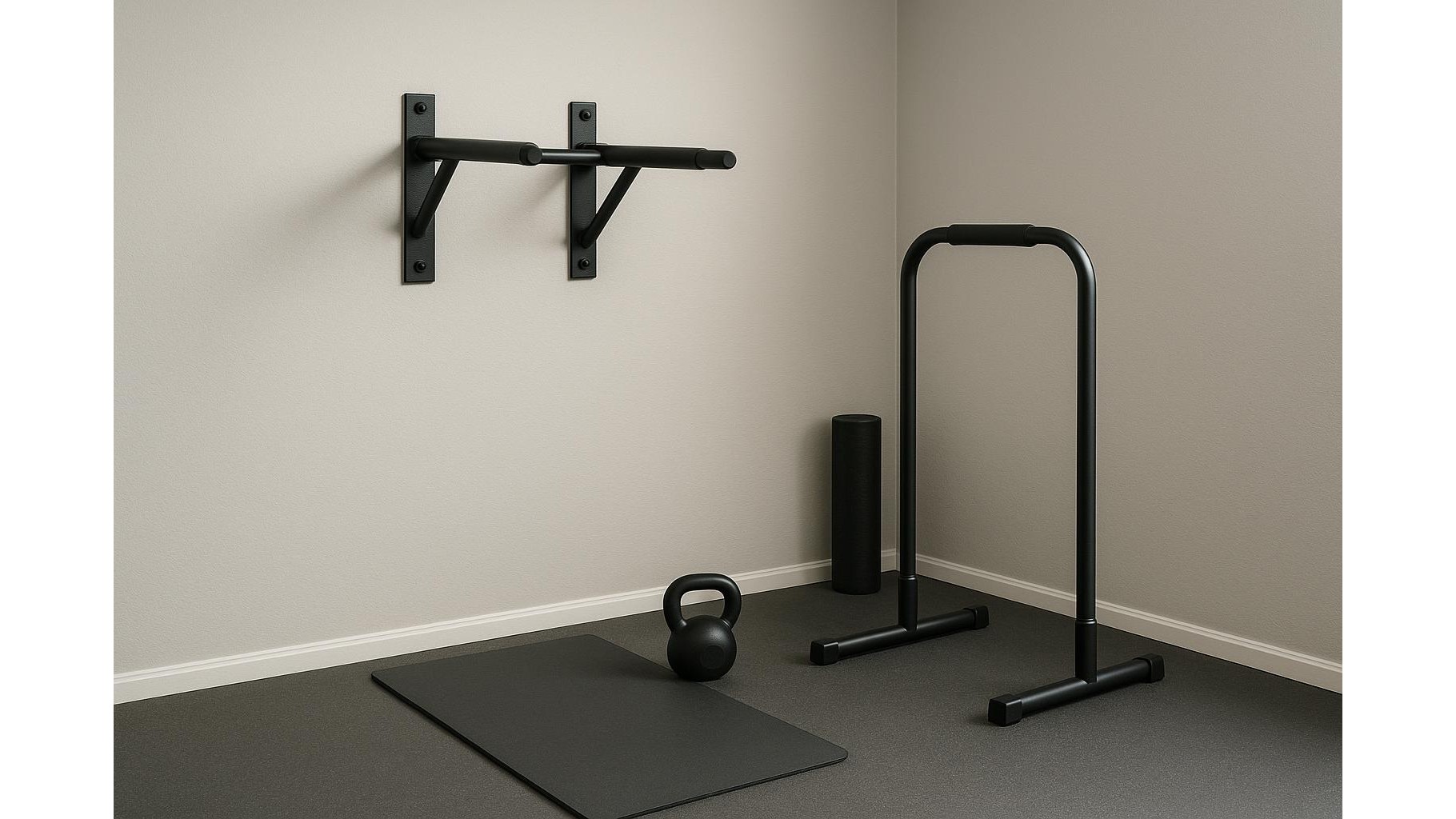
For very small rooms, wall‑mounted dip bars are naturally appealing. They keep your training zone clear because the structure lives on the wall instead of the floor, leaving more usable space for mats, dumbbells or a foldable bench. Freestanding dip stations, in contrast, have a permanent floor footprint; even compact models still occupy a rectangle of space that you cannot easily reclaim. However, the lightest freestanding frames can sometimes be moved into a corner or another room after training, while wall‑mounted bars remain fixed. When planning, measure the width of the bars plus your body clearance on both sides and behind you so you can execute dips without hitting walls, doors or other equipment.
Installation, walls and home safety considerations
The biggest advantage of a freestanding dip station is that it requires no drilling and no understanding of your wall structure. Just assemble the frame, check for level and start training. With wall‑mounted dip bars, safety depends heavily on the strength of your wall and the quality of the installation. They should be anchored into solid brick, block or structural studs with heavy‑duty fixings, never just plasterboard. Before buying, check the manufacturer’s recommended weight capacity, wall type and hardware requirements, and be honest about your DIY skills. If you are unsure, hiring a professional to install the bars is a worthwhile safety investment. Always test with gentle hangs and partial bodyweight before progressing to full dips.
Stability, wobble and training confidence
Stability is crucial for safe, strong dips. A well‑installed wall‑mounted station anchored to solid masonry feels almost like a commercial gym fixture: minimal flex, very little wobble and a consistent bar width every session. This rock‑solid feeling builds confidence for heavy, low‑rep sets. Freestanding dip stations vary far more: heavier steel frames with a wide base are usually more stable, while ultra‑light, portable designs may flex and sway, especially for taller or heavier users. When comparing products, look at base dimensions, frame weight, the presence of cross‑braces and user reviews that mention wobble. Remember that placing a freestanding station on a thick mat or uneven floor can also introduce instability, so check your training surface.
Versatility and exercise options beyond dips
Both options allow classic tricep and chest dips, but your choice can influence how many other movements you can perform. Freestanding stations often double as supports for leg raises, knee raises and modified push‑ups; some models integrate pull‑up bars or offer adjustable bar width. They can also be rotated or repositioned for inverted rows or band work. Wall‑mounted dip bars are more fixed in orientation, but good designs still support L‑sit holds, leg raises, assisted push‑ups and banded drills. If you like to reconfigure your room, a freestanding unit offers more flexibility; if you prefer a clean, vertical training zone, wall units keep the floor free. Think about your main goals: pure dip strength, calisthenics skills, or general strength and conditioning.
Comfort, ergonomics and long‑term use
For long‑term joint health, details like grip angle, bar diameter and width matter. Many freestanding stations use angled or slightly V‑shaped handles that let you find a comfortable, shoulder‑friendly position. Wall‑mounted bars can be straight or angled; if your shoulders are sensitive, look for models with ergonomic grips or slight flare. A moderate bar diameter helps you maintain a strong, pain‑free grip, especially during longer sets and static holds. Padded handles can add comfort but may wear out faster; bare steel is durable but harsher on the hands. Ideally, choose a setup that lets you keep your wrists neutral and shoulders packed, and that matches your height so you can bend your knees without your feet scraping the floor in the bottom position.
In summary, wall‑mounted dip bars are ideal when you have strong walls, want maximum floor space and value rock‑solid stability, whereas freestanding dip stations suit renters, non‑DIY users and those who like to reconfigure their compact home gym. Whichever route you choose, prioritise safe installation, adequate weight capacity and ergonomic grips so you can progress your bodyweight strength training confidently over the long term.