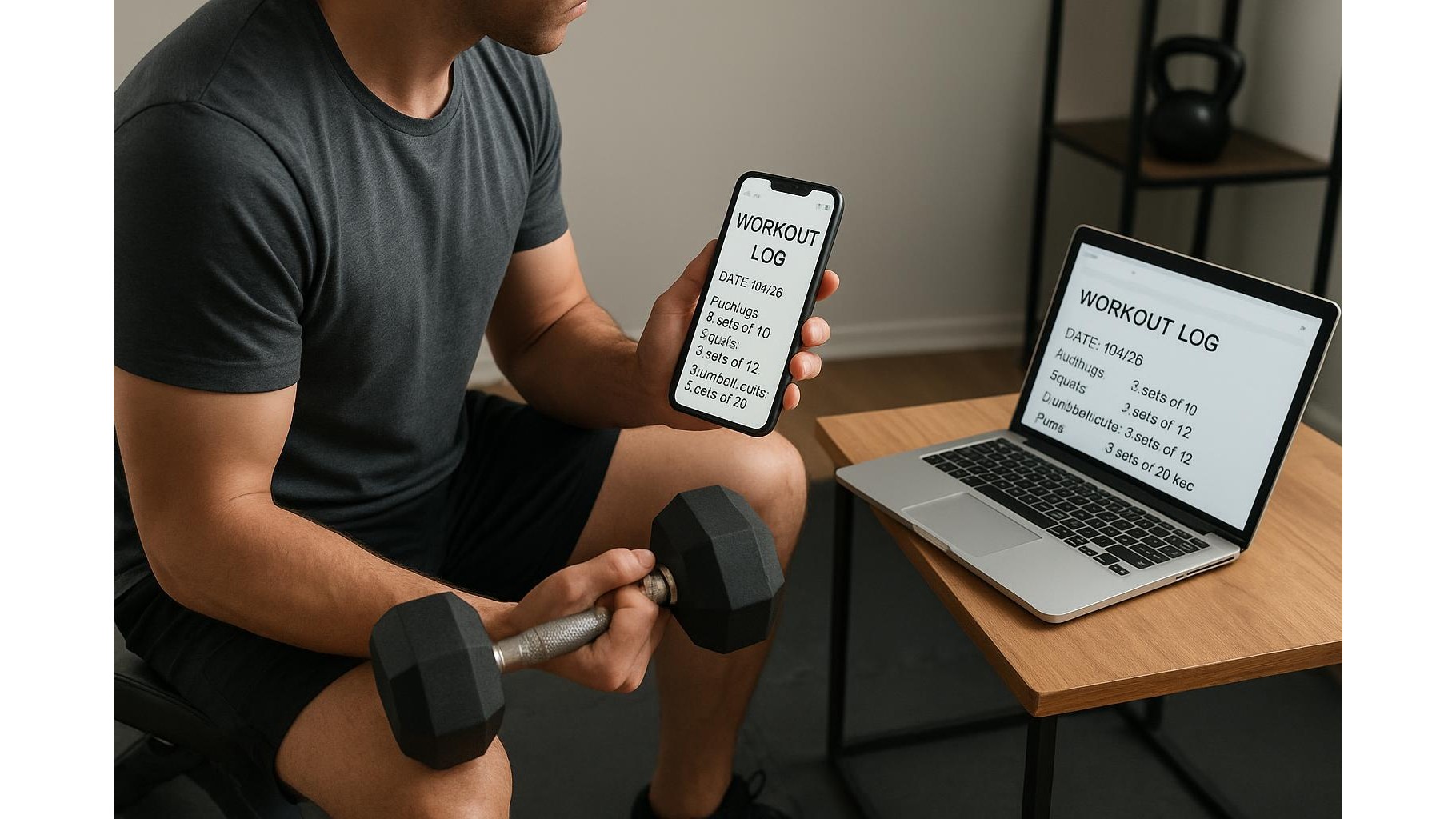
Turning a simple note-taking app into a minimalist training log is one of the easiest ways to bring structure to your home workouts without paying for premium fitness software. With a few clean templates and smart syncing across your phone, tablet and laptop, you can track sets, reps and perceived effort in seconds, then review your progress anywhere you train.
Why a minimalist digital training log works at home
A stripped-back workout log in a note app focuses on what really matters: the work you actually do. Instead of scrolling through complicated dashboards, you open a plain text note and see the exercises, sets, reps and loads you planned. This low-friction approach is ideal for home gym sessions, where time and attention are limited. A minimalist log is quick to edit between sets, it loads instantly on almost any device, and it avoids the distractions of social feeds or in-app ads. Most importantly, it lets you compare today’s performance with last week’s in just a few lines of text, which is all you need to drive progression.
Simple templates for sets, reps and perceived effort
To turn any note-taking app into an effective home workout tracker, start with a basic, repeatable template. A practical daily layout could be:
- Date + session type (e.g. 2026-05-30 – Full body A)
- Warm-up summary
- Main lifts with sets, reps, load and RPE (rating of perceived exertion)
- Accessories and conditioning
- Short note on sleep, stress and overall energy
For example: “Goblet squat – 3×10 @ 18 kg, RPE 7; Push-ups – 4×8, RPE 8”. Keep formatting consistent from session to session so you can quickly scan for progression. Over time you will recognise patterns such as when an exercise feels easier at the same weight, or when your perceived effort spikes during stressful weeks, guiding smart adjustments to volume and intensity.
Structuring weekly and monthly notes for progress
Beyond individual sessions, create separate notes for your weekly plan and monthly overview. A weekly note might list your target days (e.g. Mon – Upper, Wed – Lower, Fri – Full body) with links or references to the detailed daily logs. At the end of each week, add a short bullet list of what worked, what felt too easy, and any aches or pains. At the end of the month, review all sessions and write a concise summary: key lifts that improved, exercises to change, and goals for the next block. This habit turns your minimalist notes into a continuous training story. Instead of random home sessions, you get a clear progression path that supports long-term strength, muscle and conditioning gains.
Syncing notes across phone, tablet and laptop
A major advantage of using a cloud-synced note app is that your training log is always available on the device that makes sense in the moment. You might plan your week on a laptop, keep your tablet near the rack while you lift, and make quick edits on your phone when travelling. Choose an app that offers reliable cross-platform sync and offline access, so your logs are visible even in a garage or basement with weak Wi‑Fi. Keep your workout notes in a dedicated folder and name files consistently (for example, “2026-05-week-1 – Training”). This simple organisation system prevents clutter and makes it easy to revisit previous cycles when you design new home workout programs.
Keeping your digital log fast, clean and sustainable
The power of a minimalist note-based workout log lies in what you leave out. Avoid tracking so many metrics that logging becomes a workout in itself. Focus on sets, reps, load and perceived effort, plus a brief line on how you felt. Use plain text or very light formatting so typing is fast on any device, even with one hand between sets. Review your notes once a week to spot plateaus and make small, sustainable changes instead of constant overhauls. Over months, these deceptively simple notes will give you a detailed view of your training history, helping you stay consistent and motivated in your home gym with zero reliance on complex or expensive fitness apps.
In summary, turning a basic note-taking app into a minimalist training log gives you a flexible, distraction-free way to manage your home workouts. With clear templates, regular reviews and seamless syncing across devices, you can track progression, adjust intelligently and build a training habit that fits your life and equipment, without ever needing premium software.