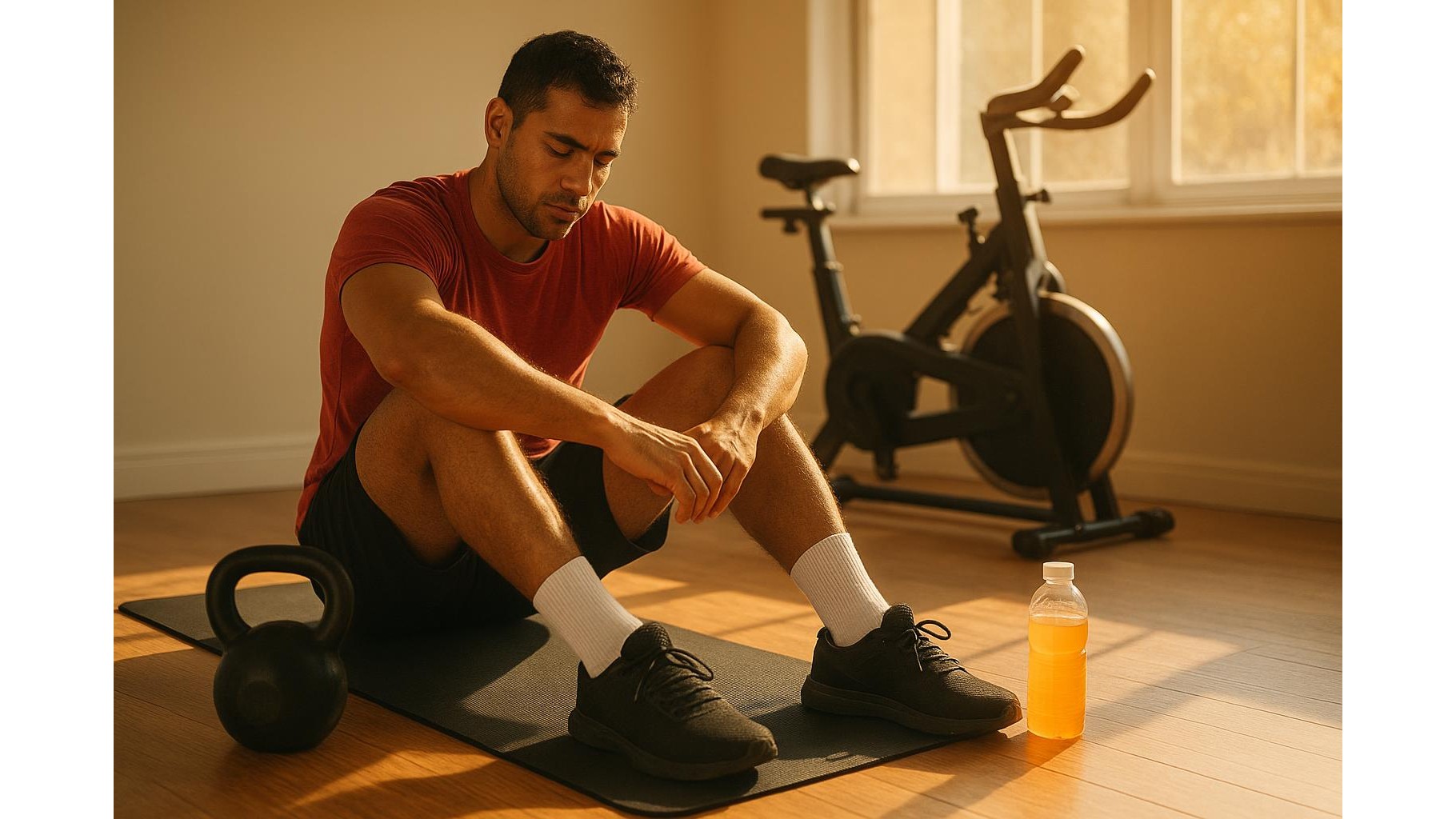
On double-workout days at home, it is tempting to grab a colourful sports drink for every session. But do you really need electrolytes, or is plain water enough? Understanding how fluids, sodium and sweat interact helps home athletes stay hydrated without overdoing sugar, calories or supplements. This article looks at the evidence and turns it into simple rules you can apply to your home gym, whether you are lifting, doing HIIT or logging long cardio sessions in a warm room.
Water versus electrolytes: what actually changes?
Plain water replaces fluid losses, which is often all you need for short, low‑to‑moderate intensity workouts under 60 minutes. Your blood already contains sodium, potassium, magnesium and other minerals, and most people get enough from food. Electrolyte drinks add these minerals (especially sodium) plus, in many products, a small amount of carbohydrate. This helps retain water, maintain blood volume and support performance during longer or hotter sessions when you sweat heavily. The key difference is that electrolytes focus on replacing what is lost in sweat, while water only replaces volume. For many home workouts, extra minerals are optional, not mandatory.
When home athletes genuinely benefit from electrolytes
Research suggests that electrolyte drinks are most useful in specific situations. If your home gym is in a hot loft, garage or small room with poor airflow, your sweat rate can be similar to outdoor summer training. Sessions of 75–90 minutes or more, higher‑intensity interval training, or back‑to‑back workouts in one day increase the risk of significant sodium losses. In these cases, relying only on water may dilute blood sodium and contribute to fatigue, headaches, muscle cramps or a sluggish feeling. If you see salty streaks on your clothes or feel dizzy after longer sessions, you are a good candidate for adding sodium via an electrolyte drink, tablets or a light homemade mix.
Hydration strategy for two-a-day home workouts
On days when you train twice, plan hydration the same way you plan sets and reps. Before the first session, aim to start well‑hydrated: your urine should be pale yellow, not clear or dark. During a 60‑minute strength workout in a cool room, sipping water is usually enough. If you follow with a second, harder session (for example a treadmill run or cycling), especially in heat, include an electrolyte drink either between or during workouts. The goal is not chugging huge volumes, but taking in small, regular sips to match sweat losses. After training, combine fluid with a salty snack or a balanced meal so you naturally replace sodium along with carbohydrate and protein for recovery.
Hot environments, longer cardio and sweat-heavy sessions
Home athletes often underestimate how hot a small exercise space can become. Fans and open windows help, but high humidity and limited airflow still drive up your core temperature and sweat rate. During long cardio workouts over 75 minutes—such as indoor cycling, rowing, running on a treadmill or extended follow‑along HIIT—you will likely perform better with a drink that contains both sodium and fluids. Rather than guessing, monitor your bodyweight before and after a session; a loss of more than about 2% of body weight from sweat indicates a need to drink more and possibly increase sodium intake. Listen to early signs like dry mouth, rising perceived exertion and a “heavy legs” sensation, and adjust your drinking strategy for the next workout.
Smart, practical guidelines for home gym hydration
To keep things simple, follow a few practical rules. For sessions under 60 minutes in a cool room, drink water according to thirst; you rarely need extra electrolytes. For 60–90 minute workouts or two‑a‑days, especially if you sweat heavily, consider adding a low‑sugar electrolyte drink that prioritises sodium over calories. Focus on regular sipping rather than large, infrequent gulps, and pair hydration with balanced meals rich in whole foods, which naturally supply potassium and magnesium. If you have high blood pressure, kidney disease or take medication that affects fluids, speak with a healthcare professional before increasing sodium. With a bit of planning, you can fuel your home training days intelligently, support performance and recover faster without overcomplicating your routine.
In summary, plain water is more than adequate for many home workouts, but longer, hotter or two‑a‑day sessions call for a more strategic approach. By understanding when electrolytes truly add value, matching your fluid intake to sweat losses and combining good hydration with smart nutrition, you can train harder in your home gym while staying safe, energised and ready for your next session.