Choosing between rubber hex dumbbells and round dumbbells is a key decision when you train in a small home gym. Shape affects safety, floor protection, storage and how practical each weight feels in real workouts. This guide compares the two designs, explains which is safer in tight spaces, and gives storage ideas so you can build a compact, efficient home setup that fits your style of lifting.
Shape and safety in a small workout area
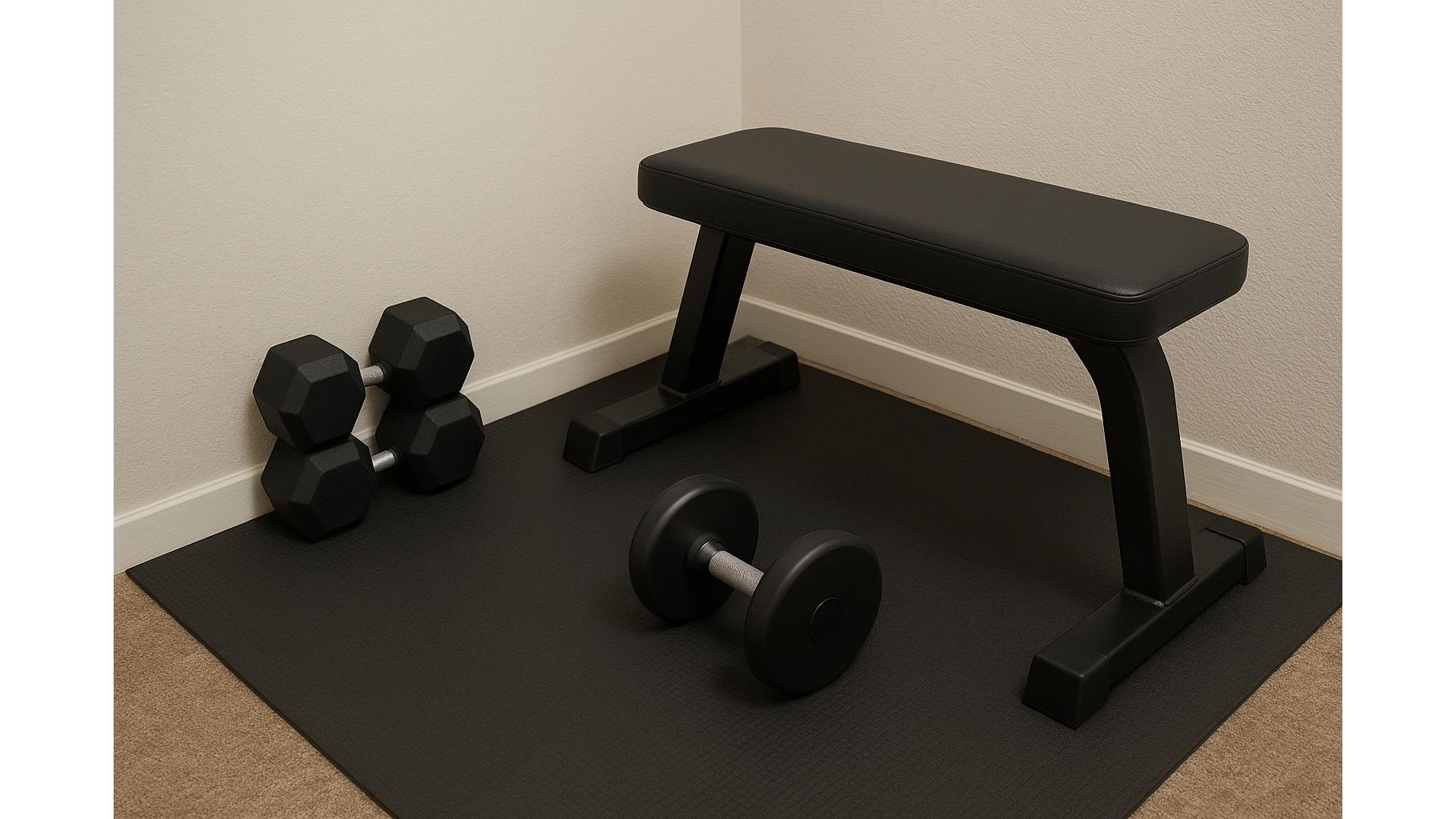
The biggest difference between hex and round dumbbells is how they behave once you put them down. Rubber hex dumbbells have six flat sides, so they stay where you leave them. This makes them much safer in small home gyms, where a rolling weight can hit a wall, a piece of furniture or your toes. Round dumbbells, especially with rubber ends, are comfortable to hold but can roll across the floor if you set them down carelessly or train on a slight slope. If kids or pets occasionally enter your workout area, the non-rolling shape of hex dumbbells is usually the safer choice.
[pel_placeholder type=”cta” id=”telegram”/]
Floor protection and noise control
Both rubber-coated hex dumbbells and rubber round dumbbells are kinder to your flooring than bare metal. The rubber layer helps reduce impact and noise when you put the weights down, which matters in apartments or upstairs rooms. However, hex heads make it easier to lower the weights under control because they don’t shift or wobble when they touch the ground. With round dumbbells, the curved surface can encourage the weight to roll or bounce slightly, which may create more noise and make it harder to keep your space tidy and safe, especially on hard floors.
Versatility for exercises and stability on the floor
If you like to perform floor-based dumbbell exercises, hex shapes have a clear advantage. For moves such as renegade rows, dumbbell push-ups or plank rows, the flat sides of hex dumbbells act like mini push-up bars, providing a stable base for your hands. This reduces wrist strain and the risk of slipping. Round dumbbells are excellent for traditional pressing, rowing and curling, but they are less stable when used directly on the floor. If your training includes a lot of functional or core work that starts from the ground, hex designs are generally more practical.
Storage, organisation and space saving
In a home gym, smart storage is almost as important as the dumbbells themselves. The flat sides of rubber hex dumbbells make them easy to stack under a bench, line up against a wall or place on simple horizontal racks without fear of rolling. This helps you keep your room neat and reduces trip hazards. Round dumbbells benefit more from a dedicated tiered rack that cradles each pair, which costs extra and takes up more room. If your space is very limited, hex dumbbells usually offer a more compact, low-maintenance storage solution that still looks organised.
Which shape is more practical for home lifters?
For most home lifters, especially beginners or those training in tight rooms, rubber hex dumbbells are the more practical all-round choice. They offer better stability, improved safety on the floor and easier storage. That said, some lifters prefer the feel and traditional look of round dumbbells, particularly for heavier pressing work, where a rounded head can be more comfortable on the thighs when you kick weights up for a bench press. If you already own round dumbbells, consider adding a rubber mat and a sturdy rack to reduce rolling and protect your floor.
In summary, both rubber hex and round dumbbells can work well in a home gym, but their shape changes how safe and practical they feel day to day. Hex dumbbells shine in small spaces thanks to their non-rolling design, floor stability and easy storage. Round dumbbells suit lifters who value a classic feel and are willing to invest in racks and mats to control rolling. Think about your available space, the exercises you love and who else shares your home before deciding which dumbbell shape will keep your training both effective and safe.