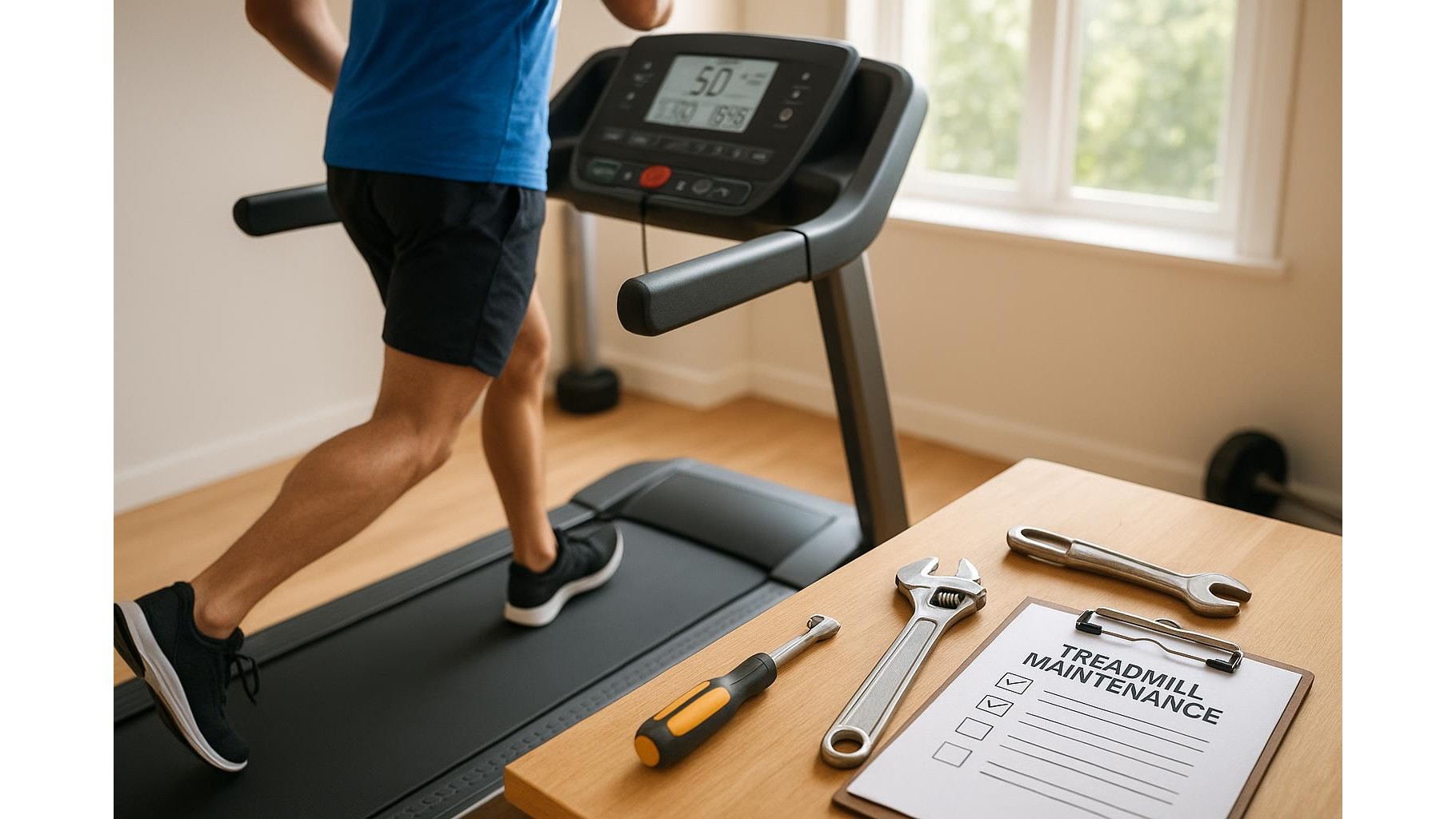
Building a home gym on a budget often means looking at refurbished treadmills instead of brand-new models. A good refurb can offer commercial-grade performance at a fraction of the price, but only if you know what to look for. Below you’ll find an in-depth, practical checklist to help you evaluate a refurbished treadmill for home use, from the motor and belt to tech features and warranty coverage.
Motor, horsepower and usage history
The motor is the heart of any treadmill, and on a refurbished model it deserves your closest attention. For home cardio, aim for at least a 2.5–3.0 CHP continuous-duty motor if you plan to run, and 2.0 CHP for mainly walking. Ask the seller whether the motor has been tested under load and if any parts such as brushes or control boards have been replaced. A quality refurbishment will include a full internal cleaning to remove dust that can overheat electronics. If possible, check the estimated usage hours or whether the unit came from light home use or a commercial environment like a gym or hotel; then match that to your needs. When you test it, run at different speeds and incline levels for several minutes to ensure there are no hesitations, surges or burning smells.
Belt, deck and cushioning comfort
The next critical area is the running belt and deck. On a refurbished treadmill, these components should be inspected and often replaced. Look for a belt surface that is even, without frayed edges, shiny bald patches or visible cracking underneath. A good refurb will usually re-wax or replace the deck if there are deep grooves or signs of delamination. When you walk and run on the machine, pay attention to the cushioning: it should feel firm yet forgiving, reducing impact compared with outdoor concrete. Listen for squeaks or grinding noises that can indicate worn rollers or poor alignment. You should also ask whether the belt tension and tracking have been correctly calibrated and if the deck is reversible (and has already been flipped as part of the refurbishment).
Frame, stability and noise levels at home
Even the best electronics mean little if the frame is unstable. When evaluating a refurbished unit, check that the steel frame has no cracks, rust spots or signs of bending, especially near welds and pivot points. Step onto the treadmill and grab the side rails; the frame should not wobble or flex excessively, even at higher speeds. For home gyms, noise level is just as important: run the treadmill at walking, jogging and fast-running speeds while listening for loud hums, rattles or knocking sounds. These can point to loose hardware, worn bearings or an imbalanced motor. A solid, well-refurbished treadmill should feel stable and sound relatively quiet, making it suitable for early-morning or late-night workouts in an apartment or shared house.
Console, safety features and app compatibility
Modern home workouts often rely on fitness apps and connected training, so the console on a refurbished treadmill needs to keep up. Check that all buttons, display segments and indicator lights work correctly and that the speed and incline respond promptly to your inputs. Look for connectivity options such as Bluetooth, Wi-Fi or at least an AUX connection if you plan to use external devices. Some refurbished treadmills will connect to popular platforms or allow you to mirror workouts from a tablet placed on the console. Confirm that essential safety features are present and functional: the emergency stop key, handrails, side steps and any automatic cool-down programmes. Even if the console looks dated, it should still provide reliable readouts of speed, distance, time, calories and heart rate, and ideally support a chest strap or at least hand-grip sensors.
Warranty, return policy and what’s included
The most professional refurbishers stand behind their work with a clear warranty and support. Before buying, check the length of coverage on the motor, electronics and frame; a minimum of 6–12 months is reasonable on refurbished kit, with optional extensions a plus. Review the return policy so you know what happens if the treadmill arrives damaged or develops a fault early on. Ask exactly what has been replaced or serviced: belt, deck, rollers, bearings, motor brushes, console parts and lubrication. Clarify whether assembly, delivery and installation are included, and whether the price covers any extras such as a floor mat or heart-rate strap. Transparent documentation and a detailed refurbishment checklist are strong indicators that you’re dealing with a reputable seller rather than a simple used-equipment flipper.
Matching the treadmill to your home gym space
Finally, think about how the refurbished treadmill will fit into your home gym layout. Measure your available space and compare it to the treadmill’s footprint and running surface; a deck length of around 140–150 cm suits most runners, while walkers can manage with slightly shorter. For small apartments, a folding treadmill with transport wheels can be a smart choice, but be sure the folding mechanism operates smoothly and locks securely in place. Consider the total weight of the unit and whether your floor can support it, especially in upstairs rooms. Check the rated user weight limit and ensure it comfortably exceeds your own. Planning for cable reach, ventilation and noise insulation (for example with a rubber mat) will make your refurbished treadmill safer and more enjoyable to use day after day.
Choosing a refurbished treadmill for home use can be a smart, budget-friendly way to upgrade your cardio setup, as long as you evaluate it carefully. By systematically checking the motor, belt and deck, frame stability, console and connectivity, and the warranty and policies, you dramatically reduce the risk of expensive surprises. Combine this checklist with an honest assessment of your space and training goals, and you’ll be well on your way to finding a durable, comfortable treadmill that supports your fitness journey at home.