Managing joint pain or back pain does not mean giving up your home workouts. The right supportive home workout outfits can reduce impact, improve alignment, and make movement safer and more enjoyable. By focusing on targeted compression, stability, and thoughtful layering, you can build a wardrobe that supports your body instead of stressing it. Below you will find practical tips on fabrics, fits, and features to prioritise when exercising with sensitive joints or a fragile spine.
Prioritise gentle compression for support
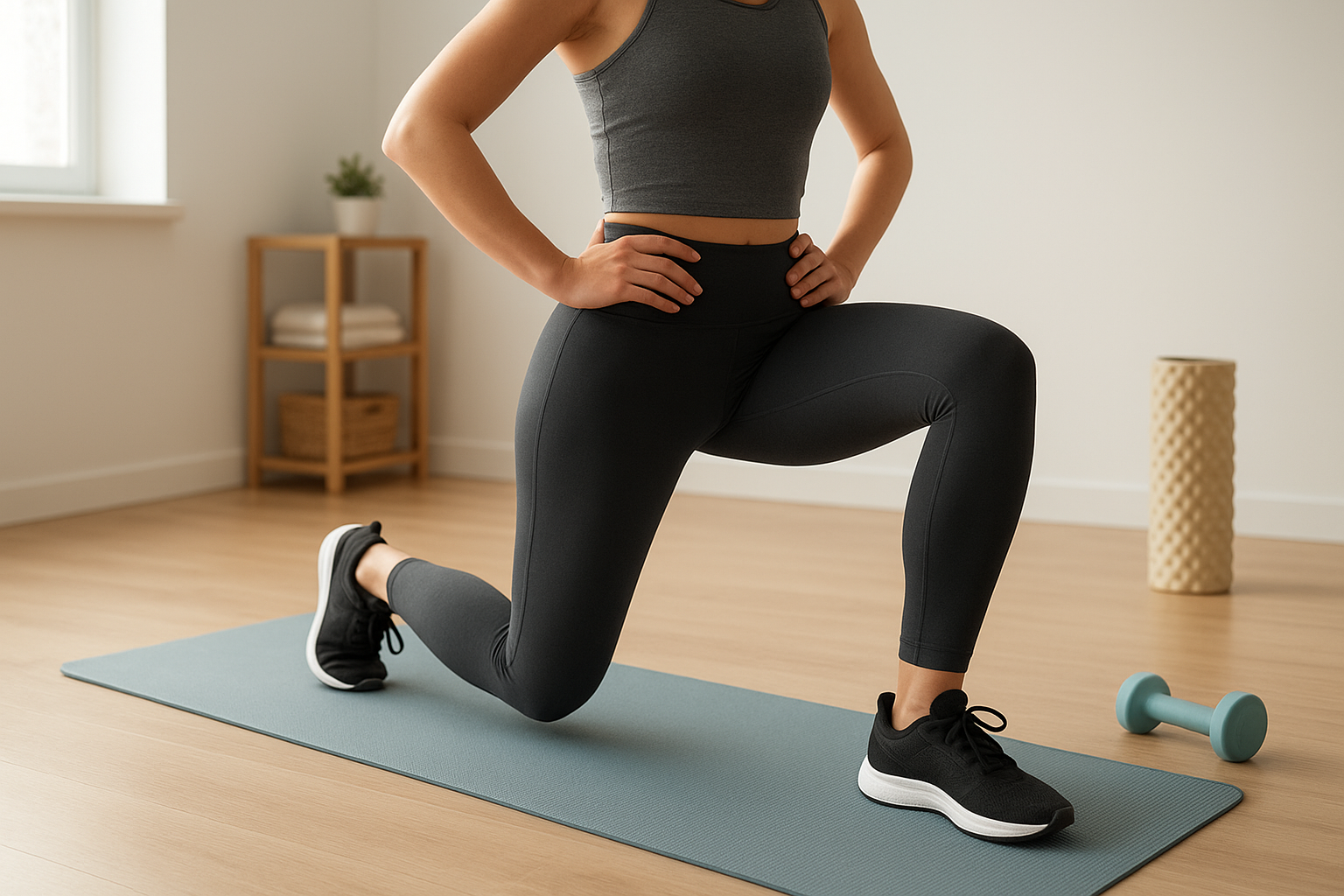
For many people with achy knees, hips, or a sensitive lower back, well-placed compression can make a noticeable difference. Look for high-waisted compression leggings that lightly hug the core and lower back without digging in or rolling down. Gentle compression helps you feel more “held”, improving body awareness and reducing unwanted wobble during squats or lunges. Avoid ultra-tight, restrictive garments; instead, choose leggings described as “light to moderate compression” with a soft, wide waistband. Fabrics that blend nylon and elastane or polyester and elastane usually offer a comfortable balance between stretch and support, helping to stabilise joints while still allowing free movement for home workouts.
Choose stable, cushioned footwear for home training
Even at home, the right training shoes are crucial if you have joint or back issues. Look for supportive trainers with a stable heel, moderate arch support, and responsive cushioning to absorb impact. A heel that is too soft can make your ankle wobble, aggravating knees and hips; too hard, and you will feel every step in your spine. Look for terms like “training shoes”, “cross-trainers” or “stability” in the description, and avoid very flexible, minimalist soles if you are prone to discomfort. A secure lacing system or strap helps lock the midfoot in place, reducing shear forces when you twist or change direction during home circuits, dance workouts, or strength sessions.
Support the core and lower back with smart tops
Many people focus on leggings and shoes but neglect how an upper-body layer can support the spine. Opt for fitted, not tight, workout tops that gently contour to your torso. This improves postural awareness, making it easier to keep a neutral spine during planks, rows, or overhead presses. Tops with a slightly longer hem that do not ride up will help you move confidently without constantly adjusting your clothes. If you are prone to upper-back tension, consider designs with raglan sleeves or stretchy shoulder panels so you can lift your arms comfortably. Light compression around the midsection can also remind you to engage your core, offering extra support for the lower back during home workouts.
Layer thoughtfully for warmth and pain management
Temperature changes can aggravate joint stiffness and back pain, especially at the start of a workout. A sensible layering strategy helps you stay comfortable from warm-up to cool-down. Begin with a moisture-wicking base layer that keeps sweat away from the skin, then add a light zip-up mid-layer you can easily remove once you are warm. For particularly sensitive joints, consider sleeves or knee supports made from breathable, elastic materials that add warmth without bulk. The goal is to keep muscles and joints warm enough to move freely, but not so hot that you overheat and feel fatigued. Easy-on, easy-off layers also help you adapt quickly during shorter home sessions.
Pay attention to fit, seams, and ease of movement
Small details in your workout clothes can have a big impact when you live with pain. Seek out garments marketed as seamless or with flatlock seams to minimise chafing and pressure points, especially around knees, hips, shoulders, and waist. Check that waistbands sit comfortably above any tender spots on the lower back or hips and that cuffs do not dig into ankles or wrists. When trying new outfits, perform a few test movements at home: squats, arm circles, gentle twists. If the fabric pulls, pinches, or slides, it can subtly alter your alignment and put extra stress on joints. Prioritise pieces that move with you and spring back into shape, so you can focus on your home workout instead of fighting with your clothes.
Choosing supportive home workout outfits is an important investment in your comfort and long-term joint and back health. By prioritising gentle compression, stable and cushioned shoes, supportive tops, smart layering, and careful attention to fit and seams, you can create a wardrobe that actively helps protect your joints and spine. With the right gear, home workouts become safer, more enjoyable, and more sustainable, allowing you to keep moving even when your body is more sensitive than most.