When a high-intensity home workout finishes, your body may stop moving but your nervous system can still feel wired, shaky or even anxious. Instead of simply collapsing on the sofa and scrolling your phone, you can use a short, structured post‑workout calm routine to tell your brain that it is safe again. The protocol below combines breathing, gentle mobility and simple sensory tools so that you finish your sessions not just fitter, but also calmer and more grounded.
Shift from “fight or flight” to “rest and digest”
After intense HIIT, sprints or heavy circuits, your sympathetic nervous system is in overdrive: heart rate is high, breathing is shallow and your thoughts may race. The goal of your cooldown is not only to stretch muscles but to downshift your whole system. Start with 3–5 minutes of slow walking around your home gym or living room, letting your breathing naturally slow. Then add 2–3 rounds of extended exhales: inhale through the nose for 4 seconds, exhale gently for 6–8 seconds. This longer exhale stimulates the vagus nerve and nudges your body toward a calmer, more parasympathetic state so that post‑workout anxiety has less room to build.
Create a soft landing zone with a supportive mat
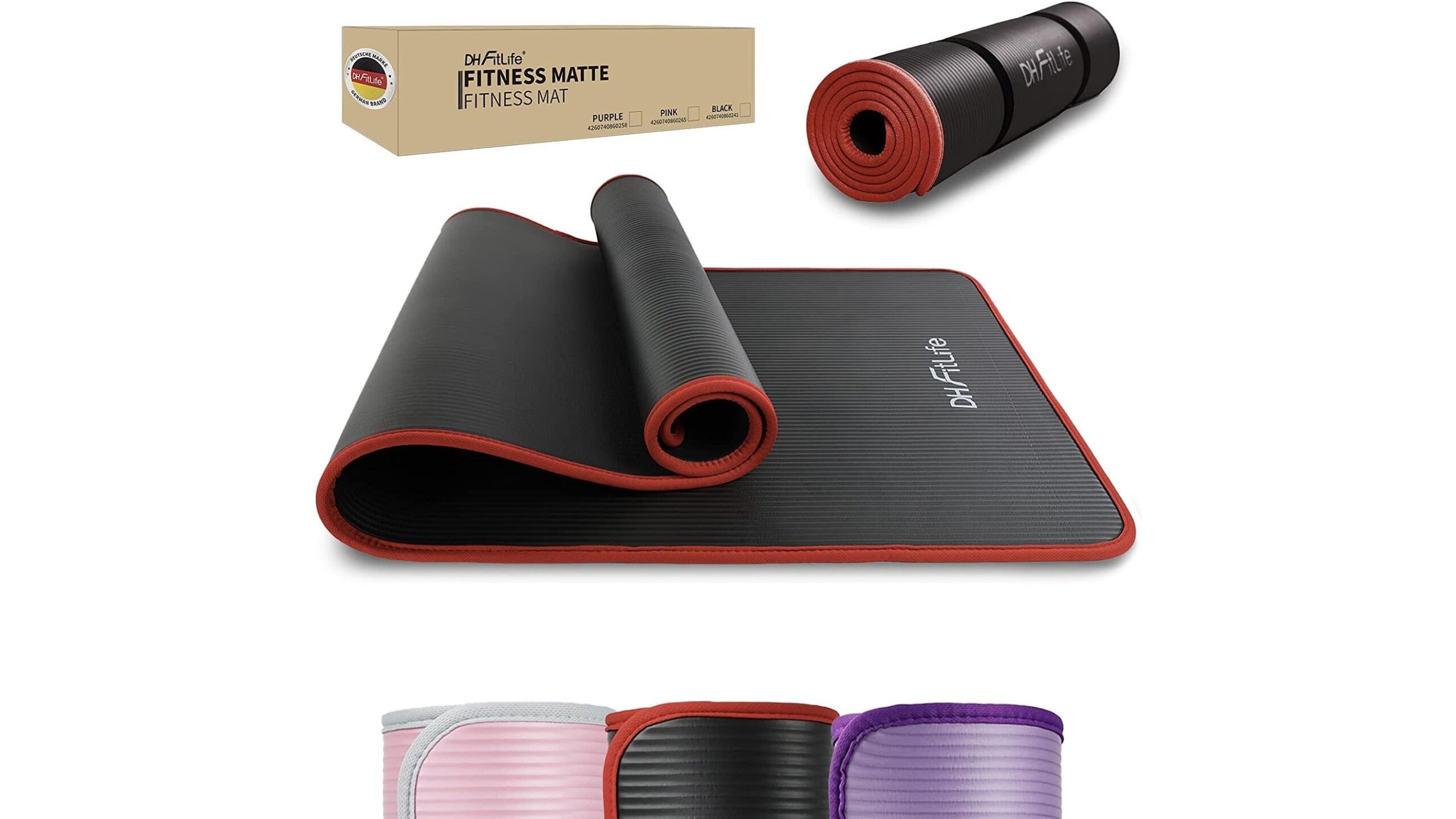
Dropping to a hard floor when you already feel overstimulated can increase tension. A cushioned surface helps your body feel physically and psychologically supported. The DH FitLife Yoga Mat 183 x 61 x 1 cm – Extra Thick, Non-Slip Exercise & Fitness Mat is a 10 mm thick NBR mat designed for home workouts. Its extra cushioning protects knees, wrists and spine during cooldown poses like child’s pose or supine twists, while the non-slip surface keeps you stable even if you are still lightly sweating. Because it is tear-resistant and edged with a reinforced border, you can use it both for your main session and your recovery work without worrying about it deforming over time. Roll it out as your dedicated “calm zone” so your brain starts to associate this mat with relaxation as much as with training.
Use a foam roller to release tension and quiet the mind
Muscle tightness can keep your nervous system on high alert, feeding the sense that your body is not done yet. A simple foam rolling sequence helps release this tension while giving your mind a clear, repetitive task to focus on. The Foam Roller for Deep Tissue Muscle Massage 33 x 14 cm is a lightweight, high-density EVA roller designed for deep tissue massage on the legs, back and arms. Spend 30–60 seconds slowly rolling each major area you trained: quads, calves, glutes, upper back. Move with your breath, pausing on tight spots until the discomfort eases. This combination of pressure and slow breathing improves circulation, reduces post‑workout stiffness and, importantly for anxious athletes, gives your brain a soothing, predictable rhythm to follow.
Layer in gentle floor mobility and grounding
Once your muscles feel looser, transition into 5–8 minutes of gentle mobility on your mat. Think slow cat–cow, pelvic tilts, and side-lying windscreen-wiper legs instead of intense static stretching. Keep your attention on physical sensations: how your back glides over the mat, how your ribs move with each inhale. If your mind starts replaying the workout or drifting to worries, simply name what you feel (“warmth in my back”, “stretch in my hips”) and return to your breath. This interoceptive focus is particularly helpful for people who are prone to anxiety after exercise, because it anchors awareness in the body instead of in racing thoughts.
Downshift with acupressure and sensory cues
To finish your routine, add a simple sensory tool that signals “deep rest”. The Acupressure Mat and Pillow Set with Massage Balls offers a practical way to do this at home. Lie on the acupressure mat for 10–20 minutes (wearing a thin T‑shirt if you are new to it), letting the plastic spikes gently stimulate your back. Users report improved circulation, muscle relaxation and stress reduction, and the consistent prickling sensation can be surprisingly calming once the initial intensity passes. Place the pillow under your neck or shoulders if you carry tension there. While you rest, keep your eyes closed, breathing slowly, and allow the combination of pressure and warmth to tell your system that the hard work is over and recovery has begun.
By treating the end of your training as carefully as the warm-up, you turn your home workouts into a full nervous-system-friendly practice. A supportive exercise mat, a focused few minutes with a foam roller and the added layer of an acupressure mat help your body move from wired to relaxed. Over time, this simple post‑workout calm routine can reduce anxiety spikes, improve sleep and make your home training feel like a source of steadiness instead of stress.