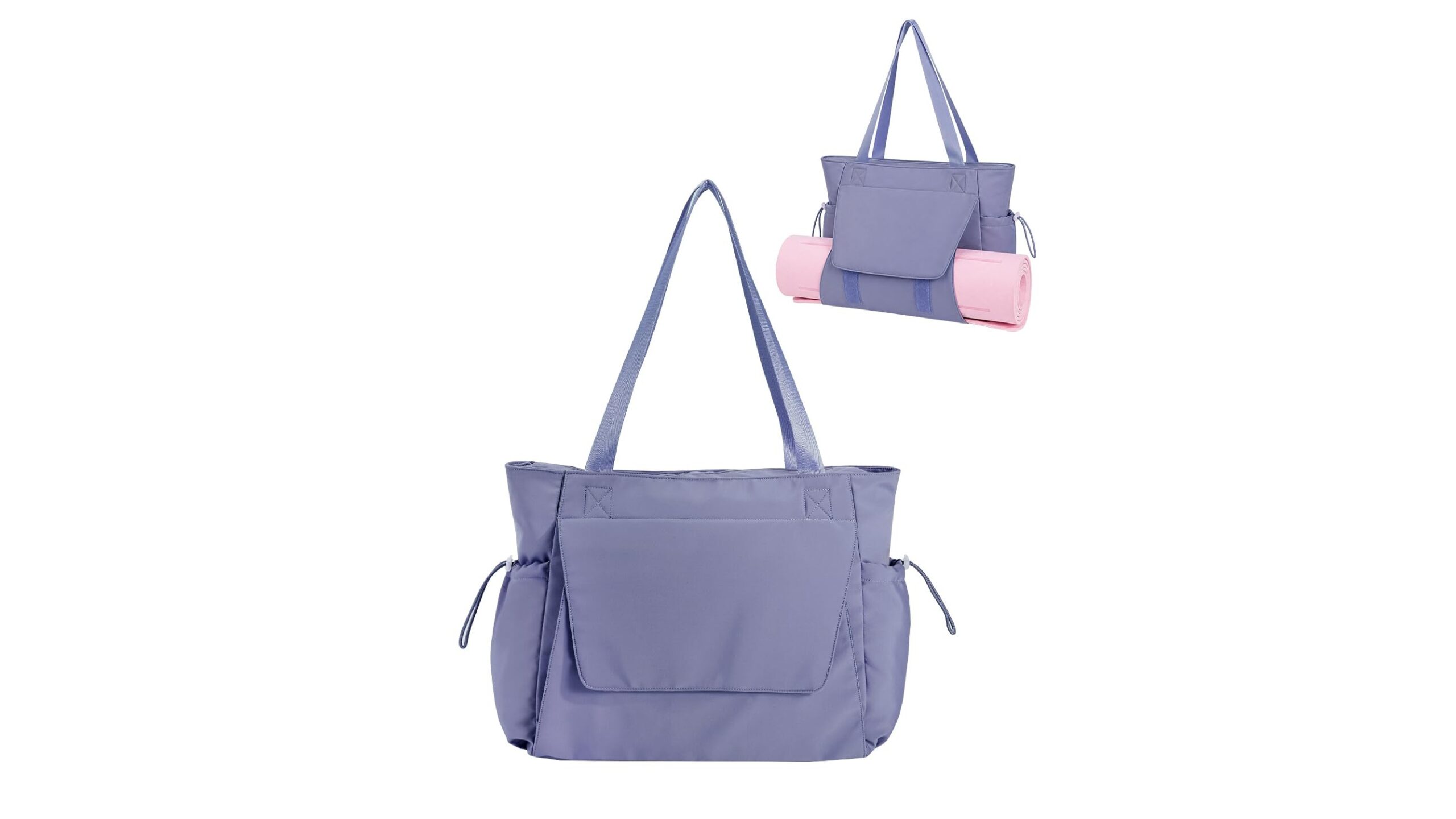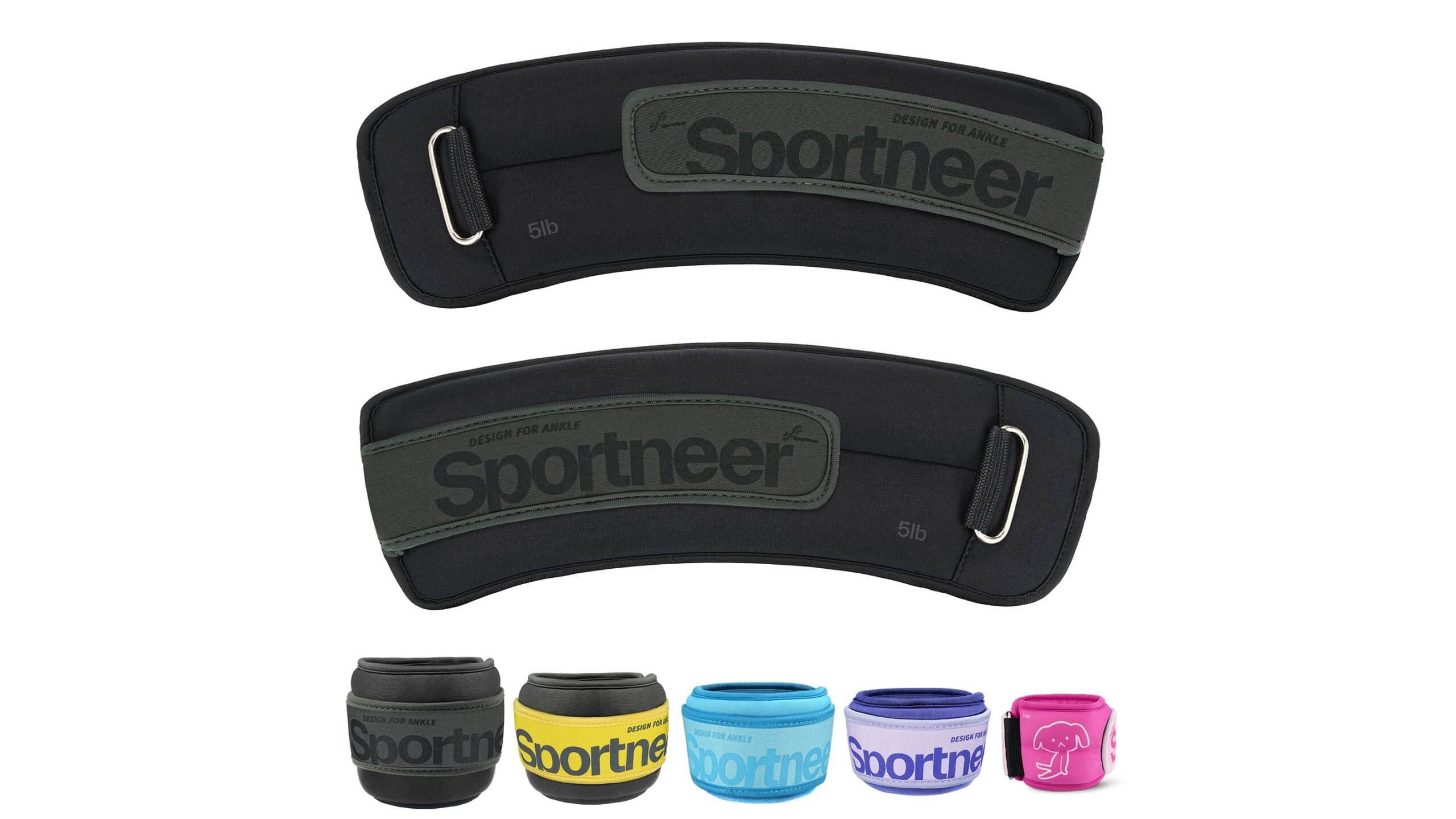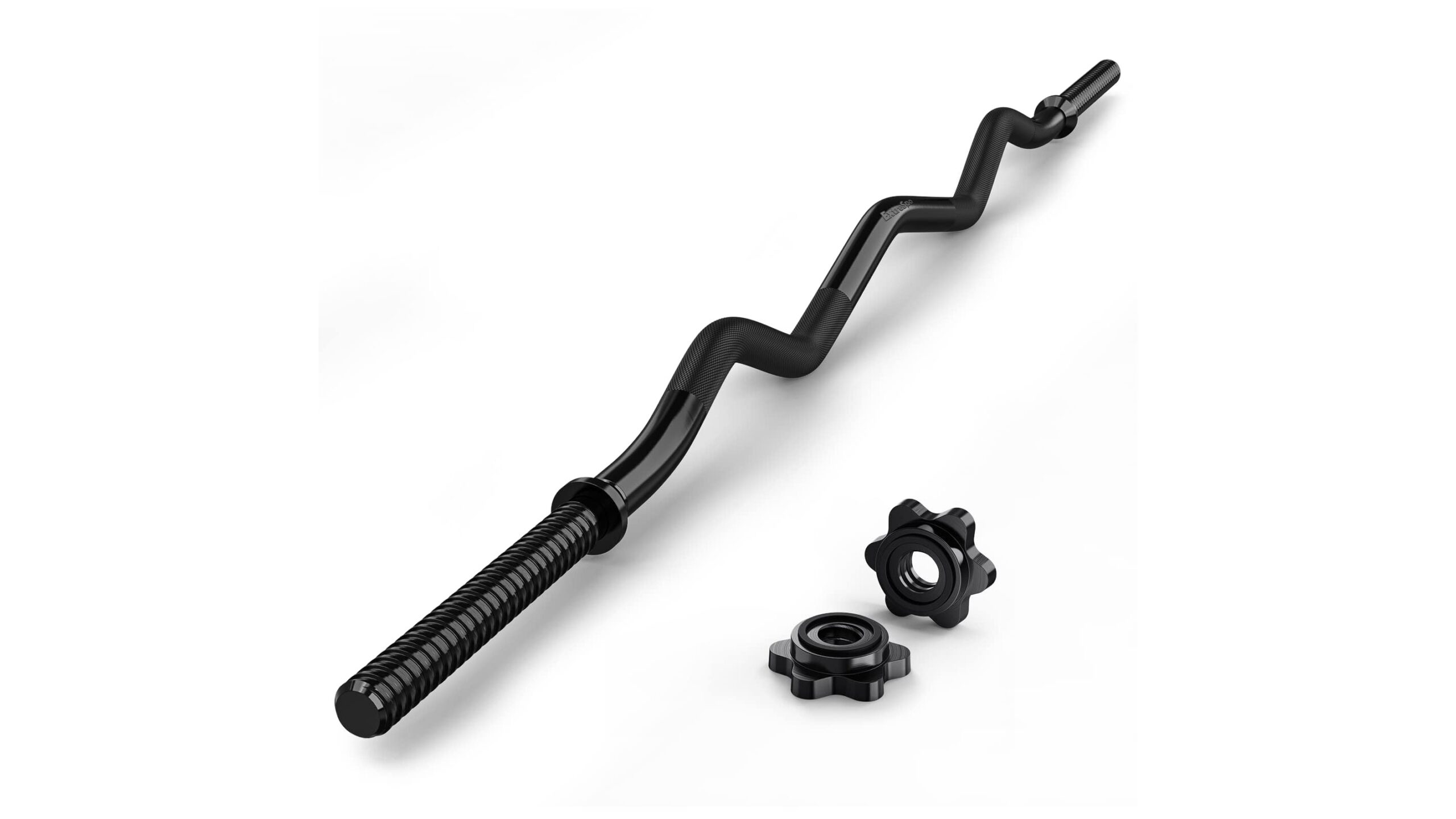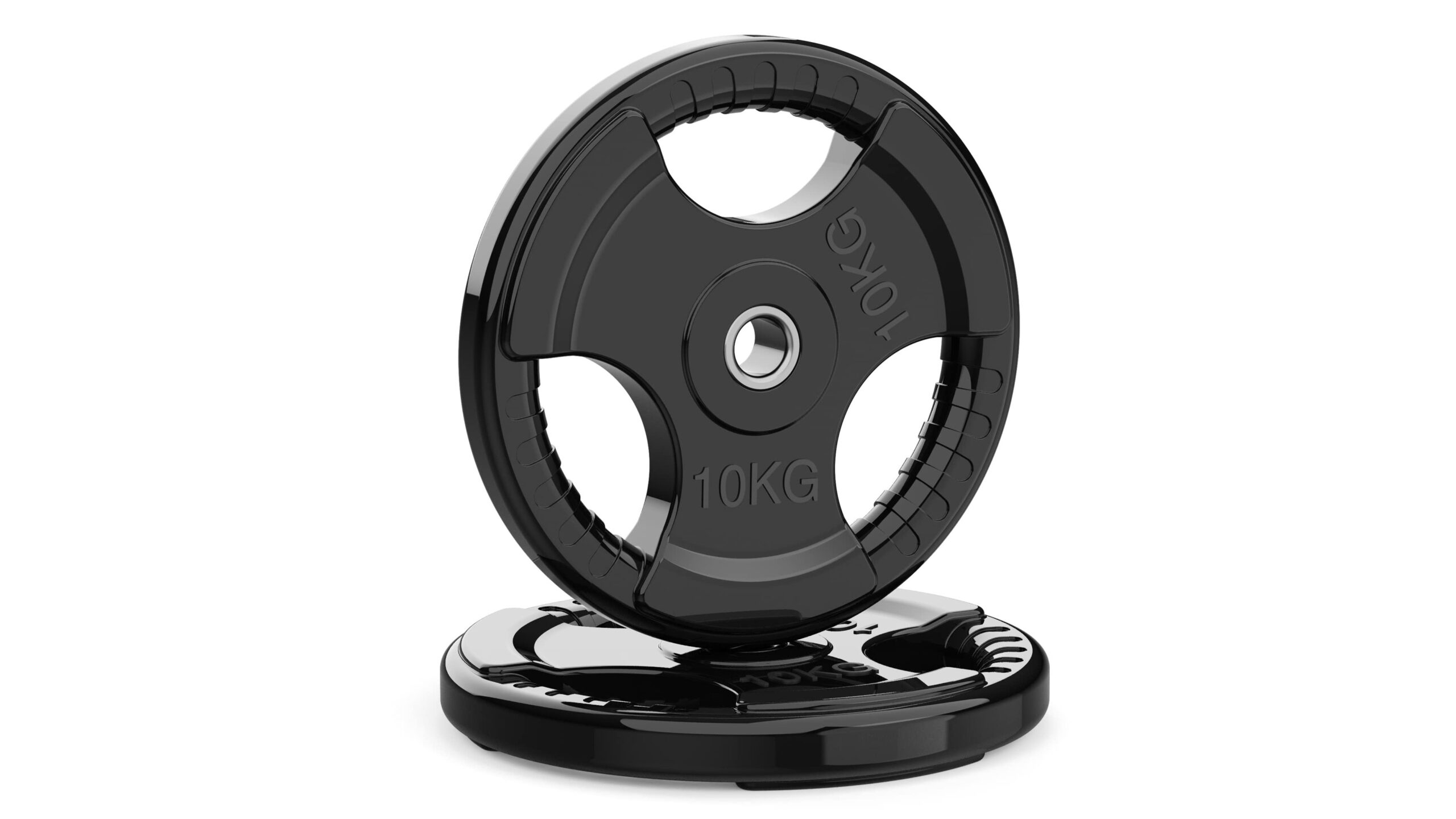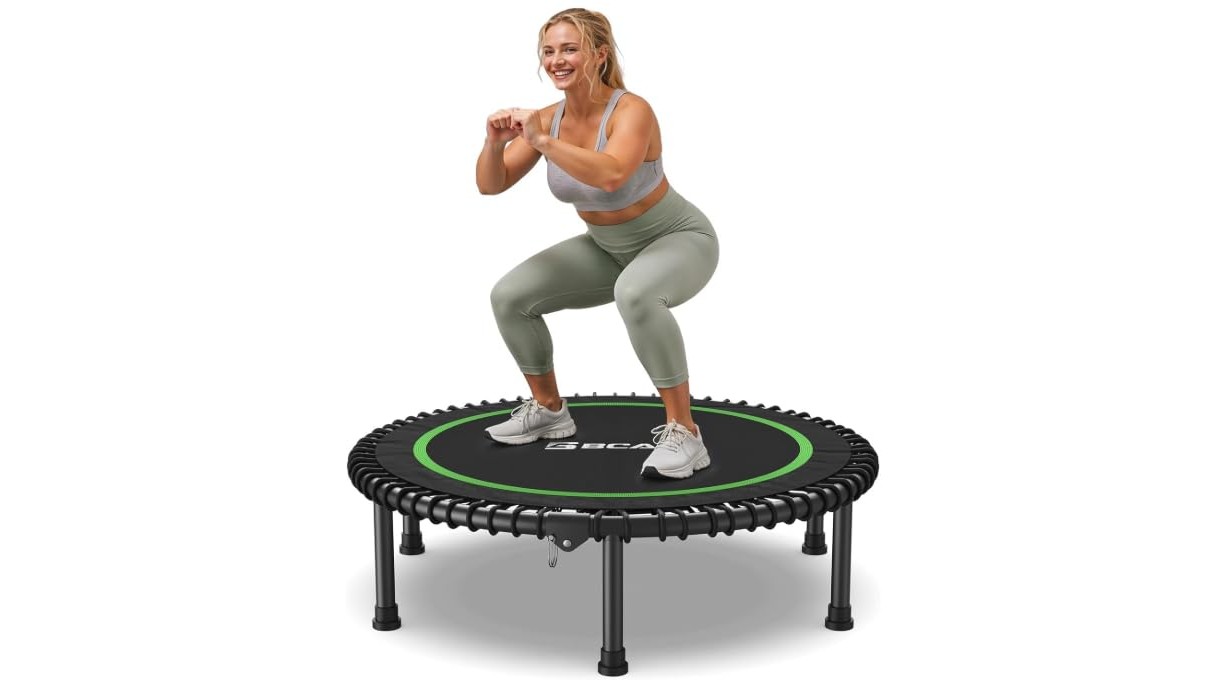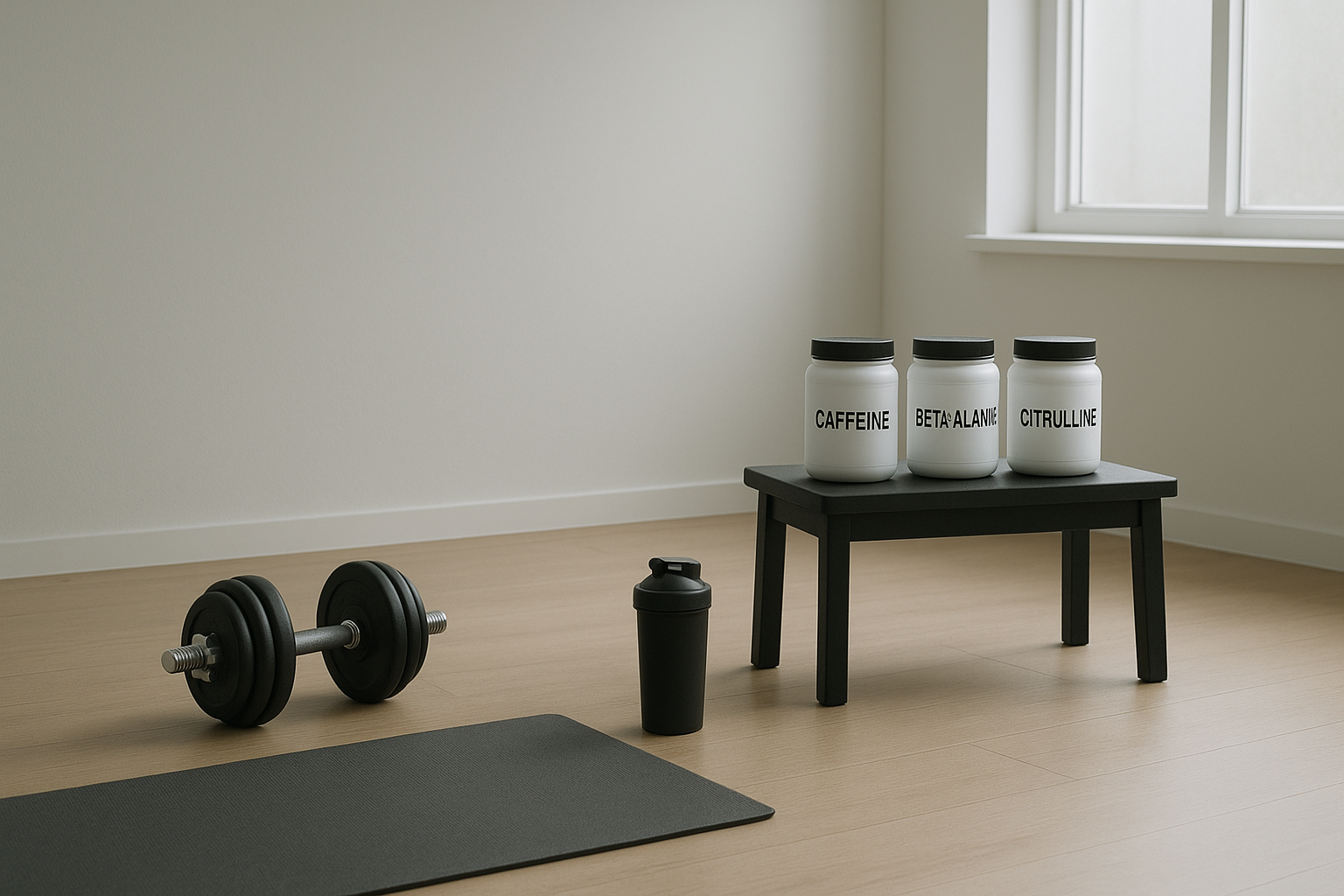
Building a home gym often starts with dumbbells and resistance bands, but many people soon wonder whether performance supplements like caffeine, beta‑alanine and citrulline can help them train harder in limited time. This guide explains what these popular pre‑workout ingredients actually do, the evidence behind them, typical safe dosages, and which home trainees are most likely to benefit.
Caffeine: the foundation of most pre‑workouts
Caffeine is the most researched ergogenic aid in sports nutrition. It works mainly by blocking adenosine receptors in the brain, reducing perceived effort and fatigue so your sets feel easier at a given load. For home strength or HIIT workouts, this can mean squeezing out extra reps or sustaining intensity in short sessions. Evidence‑based dosing ranges from 3–6 mg per kg of body weight about 30–60 minutes before training; beginners should start at the low end to assess tolerance. People sensitive to stimulants, pregnant individuals, or those with blood pressure or heart issues should consult a professional and avoid high doses or late‑evening intake, as caffeine can disrupt sleep and recovery.
Beta‑alanine: buffering high‑intensity burn
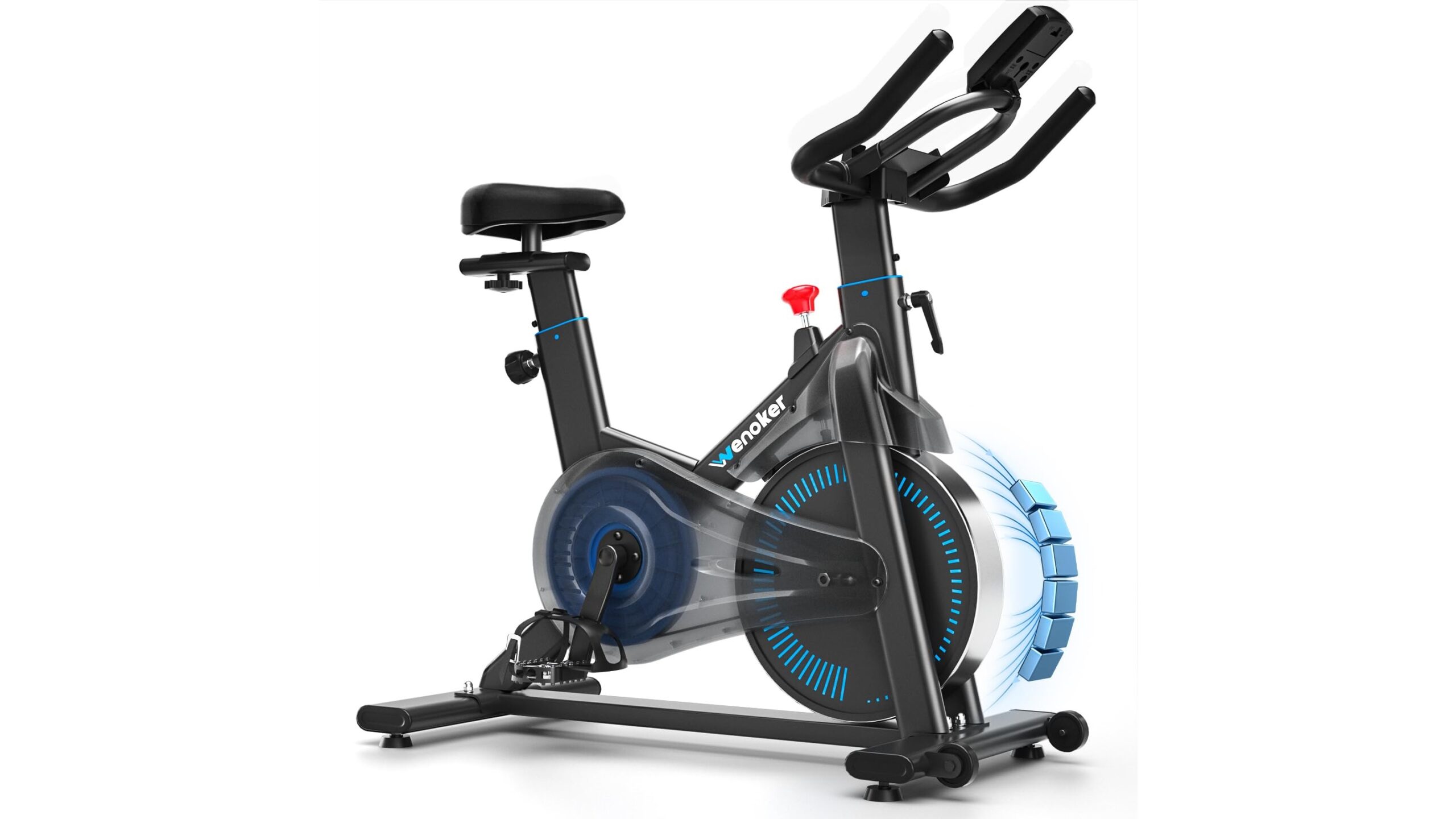
Beta‑alanine supports performance in efforts lasting roughly 1–4 minutes, where the “burn” of accumulating hydrogen ions limits output—think hard circuits, interval bike sprints or high‑rep sets in a small home gym. Beta‑alanine combines with histidine in muscle to form carnosine, a buffer that delays fatigue. Unlike caffeine, it is not a quick pre‑workout hit: you typically take 3.2–6.4 g per day for several weeks to raise muscle carnosine levels. Many users experience a harmless tingling sensation (paresthesia), reduced by splitting the dose through the day or using sustained‑release products. For those focusing on low‑rep powerlifting or very casual training, benefits may be modest; it’s most useful when your home sessions involve repeated, hard efforts.
Citrulline: supporting blood flow and pump
Citrulline, particularly as citrulline malate, is popular for enhancing blood flow, “pump” and potentially reducing fatigue during strength and interval sessions. In the body, citrulline converts to arginine, which boosts nitric oxide—relaxing blood vessels and improving nutrient delivery to working muscles. Research often uses 6–8 g of L‑citrulline or 8 g of citrulline malate taken about 30–60 minutes before training. For home workouts with limited equipment, this may help you perform more total reps across sets and feel less muscle soreness, especially during full‑body or leg‑heavy sessions. It is generally well tolerated, but doses above about 8 g at once can cause mild gastrointestinal discomfort in some people.
Stacking supplements safely for home workouts
Many commercial pre‑workout blends combine caffeine, beta‑alanine and citrulline in a single scoop for convenience, which can suit home trainees who want a simple routine. However, labels often “proprietary blend” their formula, making it hard to know if you are getting evidence‑based doses. Beginners may also overshoot caffeine intake without realising how much they are consuming from coffee, energy drinks and pre‑workouts combined. A cautious approach is to use single‑ingredient products so you can titrate each compound individually, or choose a transparent formula that lists exact milligrams. Always check for third‑party testing, avoid unproven exotic stimulants, and remember that no stack compensates for poor sleep, programming or nutrition.
Who really benefits – and who should skip them
For someone new to exercise, the biggest performance gains will come from consistent training, learning technique and building recovery habits, not from supplements. Caffeine can be helpful for anyone needing focus and motivation for early‑morning or post‑work home workouts, provided they tolerate stimulants. Beta‑alanine makes the most sense if your programme features demanding circuits, CrossFit‑style metcons, or repeated sprints. Citrulline is best suited to lifters chasing higher training volume and enjoying the pump. Those with cardiovascular, kidney or liver conditions, or pregnant and breastfeeding individuals, should seek medical advice before using any performance supplements. Ultimately, think of these compounds as optional tools to fine‑tune already solid home training, rather than shortcuts to progress.
In summary, caffeine, beta‑alanine and citrulline are among the better‑studied performance aids, each with a specific role: alertness and reduced perceived effort, buffering high‑intensity fatigue, and supporting blood flow and training volume. Used at appropriate, evidence‑based doses and matched to your style of home training, they can provide a small but meaningful edge. Yet they remain secondary to fundamentals like smart programming, sleep, protein intake and progressive overload. Start with the basics, then consider carefully if and how these supplements fit into your overall home workout strategy.