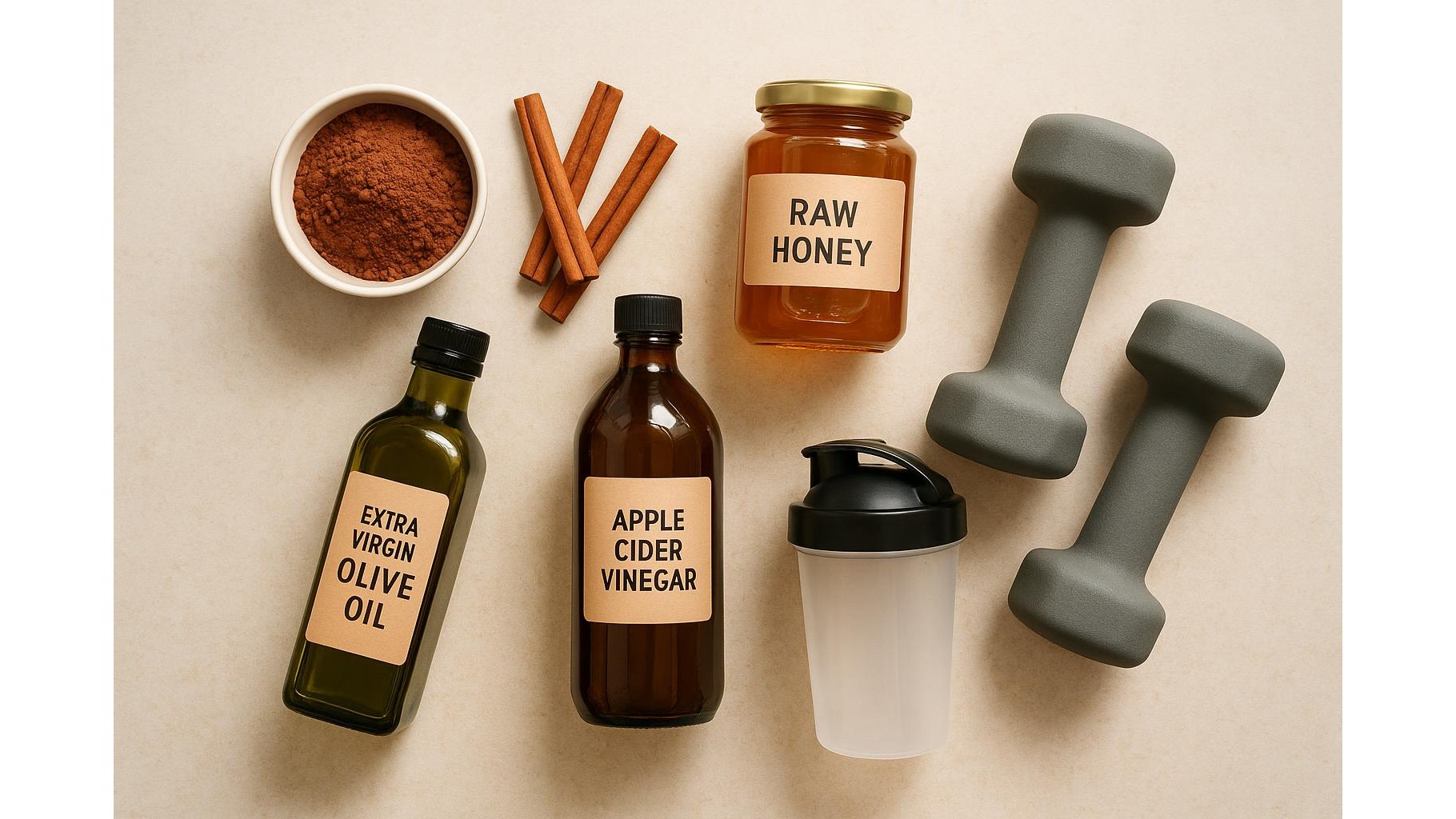
For home athletes, it’s tempting to lean heavily on powders, pills and pre-workouts. Yet many evidence-backed nutrients already sit in your cupboards. Using the right kitchen staples can support performance, recovery and long‑term health alongside, or even instead of, classic supplements. Below you’ll find what science says about everyday foods like cocoa and cinnamon, and practical ways to weave them into your home gym routine safely.
Cocoa: a recovery booster hiding in your pantry
Cocoa is rich in flavanols, plant compounds linked to better blood flow and reduced oxidative stress. For lifters and home cardio enthusiasts, this may translate into slightly better muscular oxygenation and recovery. Aim for minimally processed, unsweetened cocoa to avoid excess sugar and retain more active compounds. Mix 1–2 teaspoons into a post‑workout smoothie with milk or a plant drink and a protein source. This won’t replace a dedicated recovery supplement, but it can complement it by adding antioxidants and a small dose of minerals like magnesium, useful for muscle function.
Cinnamon: blood sugar support for steady training energy
Cinnamon, especially Ceylon cinnamon, has been studied for its potential to help modulate blood sugar and insulin response. For home athletes, keeping blood sugar more stable can mean fewer energy crashes during longer sessions and better appetite control on cutting phases. Sprinkle 1–2 grams of cinnamon on oats, Greek yogurt or a pre‑workout snack that includes carbs. This is not a replacement for medical treatment in people with metabolic conditions, but a food‑based strategy that may support overall metabolic health. Rotate cinnamon with other spices and keep total daily intake moderate to avoid excessive coumarin, a compound found in higher amounts in Cassia cinnamon.
Honey: quick carbs with added phytonutrients
Unrefined options like raw honey provide fast‑digesting carbohydrates plus trace enzymes and polyphenols. For high‑intensity home workouts, small amounts of honey can serve as a convenient, easily digestible carb source similar to a basic sports gel. Try 1–2 teaspoons stirred into tea, coffee or water about 30–45 minutes before training, or combine with a little salt for a DIY light energy drink. Remember that honey is still sugar: athletes in a calorie deficit or with blood‑sugar issues should adjust portions carefully. Compared with flavoured pre‑workout drinks, a simple honey‑based option lets you control ingredients and avoid unnecessary additives.
Olive oil: everyday support for joints and hormones
Good quality extra virgin olive oil is high in monounsaturated fats and antioxidant compounds like polyphenols. For strength and hypertrophy focused home trainees, sufficient dietary fat is crucial for hormone production, including testosterone and other anabolic hormones. A drizzle of olive oil over salads, vegetables or post‑workout meals can help you meet fat targets while supporting heart and joint health. Prioritise cold‑use (salads, finishing cooked dishes) to protect delicate compounds. Compared with generic “omega” capsules, a daily habit of using olive oil in meals supplies similar beneficial fats in a more satisfying, food‑first form.
Apple cider vinegar and smart integration with supplements
Apple cider vinegar (ACV) with the “mother” is a popular staple often used before higher‑carb meals to help blunt rapid blood sugar spikes and potentially aid digestion. Dilute 1–2 teaspoons in a large glass of water and drink it with a meal rather than on an empty stomach to reduce the risk of tooth enamel damage or stomach irritation. For home athletes already using sports supplements, these kitchen staples are best seen as complementary: keep your evidence‑based basics (protein, creatine, vitamin D if deficient) and layer cocoa, cinnamon, honey, olive oil and ACV into a generally balanced diet. Monitor how your body responds, stay within moderate daily amounts, and if you have any medical conditions or take medication, check with a professional before making big changes.
Used intelligently, everyday foods can work almost like low‑dose supplements for home athletes. Cocoa offers antioxidant support for recovery, cinnamon and apple cider vinegar may help control blood sugar and appetite, while honey provides rapid workout fuel and olive oil underpins joint, heart and hormone health. None of these staples is a magic bullet, but together, in the context of solid training, sleep and overall nutrition, they create a cost‑effective, sustainable foundation that supports long‑term progress in your home gym.