Building a consistent home workout routine in 2026 no longer requires expensive coaching or complex spreadsheets. A new wave of free and freemium fitness apps can help you plan, track, and progressively overload your training directly from your living room, whether you focus on strength, HIIT, yoga, or mobility. Below is a curated guide to the top options, with practical pros and cons so you can match each app to your home gym setup and goals.
Structured strength training: progressive overload without a coach
For lifters training at home with dumbbells, kettlebells, or a barbell, a good app should make programming and progression simple. Apps like stronglifts-style trackers and powerlifting log apps (available for free with optional upgrades) allow you to log sets, reps, and training volume, then automatically adjust loads based on your performance. The main advantage is having a clear roadmap: you can follow linear progression or simple periodization blocks without guesswork. Many apps include built-in rest timers, exercise libraries, and graphs of your progress over weeks and months. The flipside is that truly advanced periodization features—custom blocks, deload planning, and detailed analytics—often sit behind a paywall, and the free versions can feel limited if you are an experienced lifter.
HIIT and bodyweight conditioning: intense sessions in small spaces
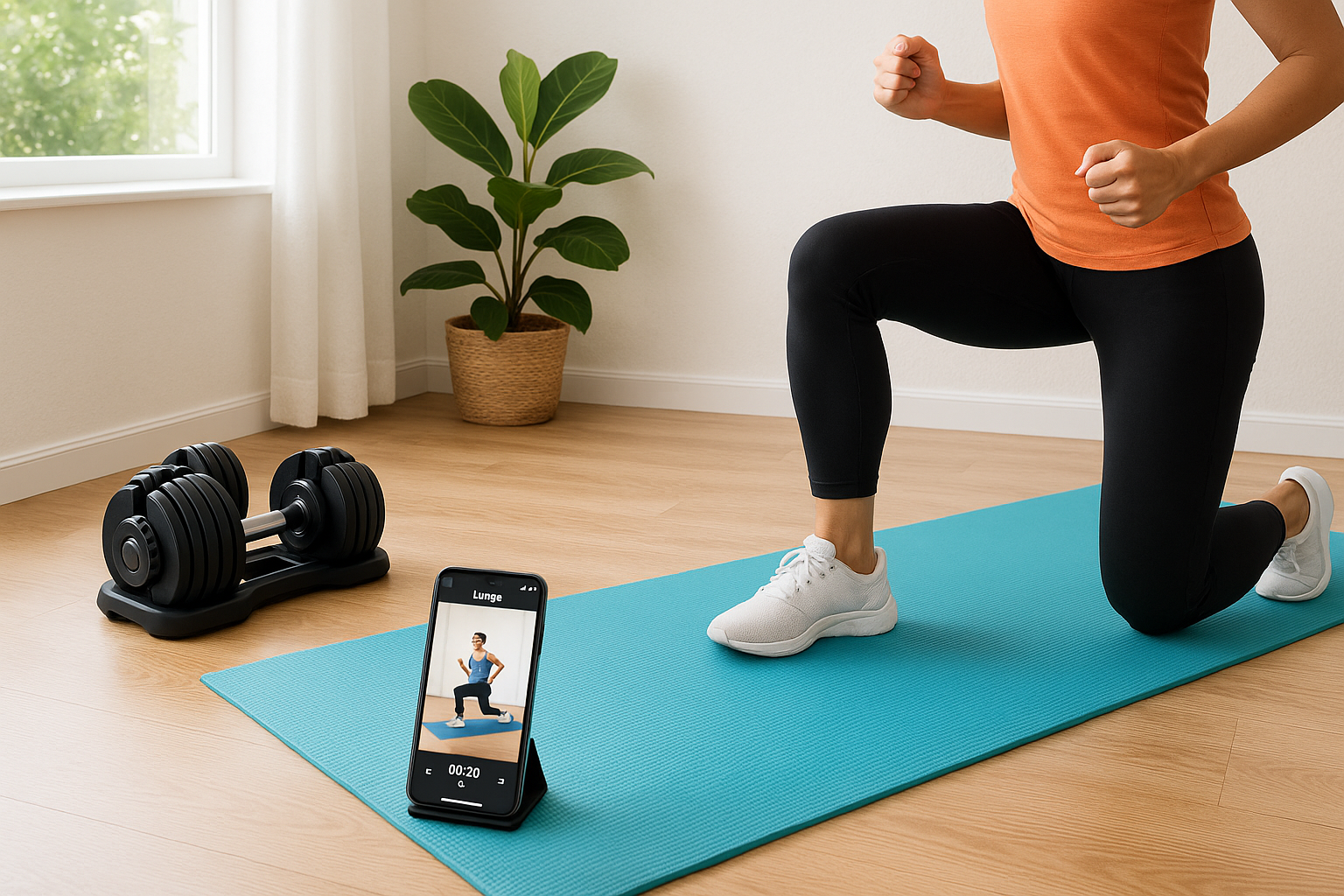
If you train in a small apartment or minimal home gym, HIIT apps are an efficient way to improve conditioning with no or minimal equipment. Most free HIIT apps provide pre-built interval workouts (like EMOM, AMRAP, and Tabata formats) plus visual demonstrations for exercises such as burpees, lunges, and push-ups. These are perfect for people who want quick, intense sessions of 10–30 minutes with clear audio cues for work and rest. The key strength of these apps is their ability to structure time: you simply press start and follow the intervals. However, many free HIIT apps do not offer long-term periodization—you get lots of single, random workouts rather than a progressive plan. To avoid burnout, it is smart to combine their high-intensity sessions with easier conditioning or strength days that you plan yourself.
Yoga and mobility apps: recovery, flexibility, and balance
For many home gym athletes, adding yoga and mobility is the missing link for long-term joint health. Free yoga and mobility apps typically offer guided sessions sorted by duration (5 to 60 minutes) and goal (relaxation, hip mobility, back pain, or post-workout recovery). The biggest advantage is accessibility: you can roll out a mat and follow high-quality video or audio classes without needing a studio membership. This makes it easier to build a consistent habit of cooldowns and off-day sessions. The downside is that some free libraries are locked behind limited daily access, ads, or low resolution videos. Additionally, not all apps clearly integrate with your strength or HIIT training calendar, so you may need to manually schedule mobility sessions to avoid overlapping intense days.
All-in-one fitness platforms: mixing strength, cardio, and classes
Many users prefer an all-in-one fitness app that combines strength workouts, cardio, HIIT, and yoga into a single dashboard. These platforms usually work on a freemium model: the free tier gives access to a limited number of classes, basic tracking, and simple workout plans, while the premium version unlocks full programs, advanced metrics, and community challenges. The big benefit is convenience: you can build a week that includes dumbbell strength days, bodyweight conditioning, and recovery flows within one app. Progress charts, streaks, and badges can boost motivation for beginners. However, this “jack of all trades” design sometimes means weaker depth in specific niches, especially if you want serious powerlifting or advanced yoga. Also, some free tiers are quite restricted, encouraging upgrades after a short trial period.
Tracking, wearables, and making your plan sustainable
Whichever free or freemium app you choose, the decisive factor is how well it supports a sustainable home workout routine. Look for apps that integrate easily with wearables or your phone’s health data to track steps, heart rate, and training frequency. Basic features like calendar views, weekly summaries, and reminders are crucial for building consistency. Many free apps allow exporting your data or syncing across devices, so you retain your progress even if you eventually change platform. The main limitation is that advanced analytics—readiness scores, detailed recovery metrics, and long-term load management—often require paid plans. Still, the free tiers are usually more than enough to monitor whether you are training regularly, progressing in key lifts or intervals, and balancing hard days with easier recovery sessions.
In summary, today’s free fitness apps make it entirely possible to design a structured, periodized home training program tuned to your goals—whether that is building strength, boosting conditioning, or improving mobility. Start by clarifying your priorities, then choose an app that excels in that area, and use its tracking tools to plan your weeks, log your workouts, and gradually progress. Over time, you can layer in additional apps for mobility or conditioning as needed, but the core of your routine will come from consistent, well-structured training—not from the number of tools you use.