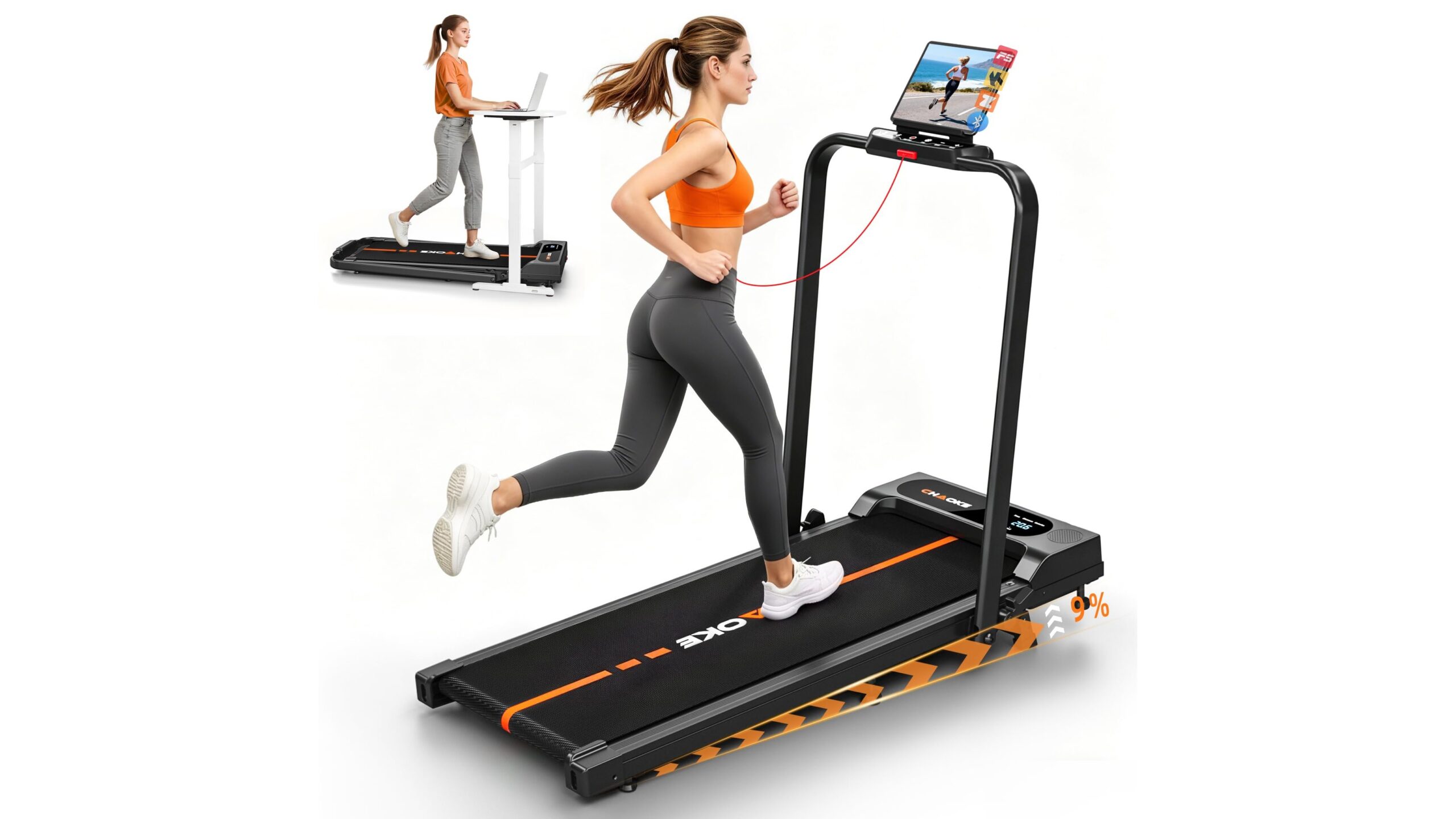
Building a compact home gym in a family house is all about balance: you need enough versatile equipment to train effectively, but everything must be safe around kids, quiet and easy to store. Instead of filling your living room with bulky machines, the goal is to create a smart home gym starter kit that fits into a cupboard, under the bed or in one small corner, while still covering strength, mobility and a bit of conditioning.
Define your space and storage first
Before buying anything, measure where your home gym kit will live. Check ceiling height for overhead presses, floor space for a yoga mat, and nearby storage like a wardrobe or under‑sofa gap. In tight family homes, vertical storage and foldable gear are essential. Think in terms of a crate or box that can slide into a cupboard, with all your equipment inside. This mindset naturally pushes you towards multi‑purpose items instead of single‑use machines, and it makes it easier to keep the area tidy and safe when kids are playing.
Prioritise safe, kid‑friendly equipment
With children around, safety is non‑negotiable. Choose equipment with smooth edges, no exposed sharp metal and secure locking mechanisms. Soft or rubberised items such as resistance bands, foam‑covered handles and non‑slip mats are ideal because they are less likely to cause injury if a child grabs or drops them. Create a clear rule that gear is for adults only and store it fully away after each workout. Wherever possible, opt for adjustable tools that replace multiple pieces of kit; fewer items on the floor means less risk and easier supervision while you train.
Choose compact, all‑in‑one strength tools
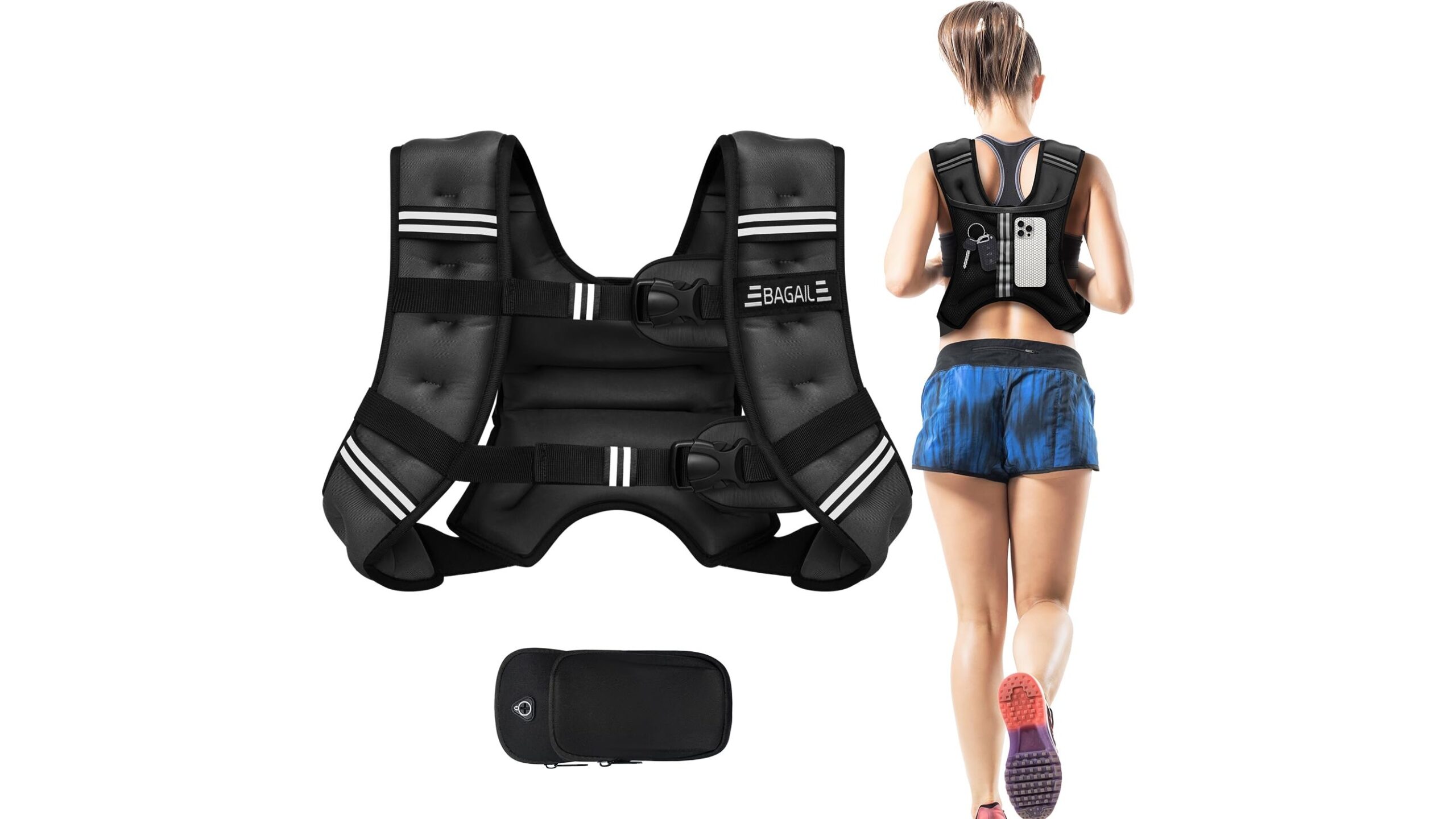
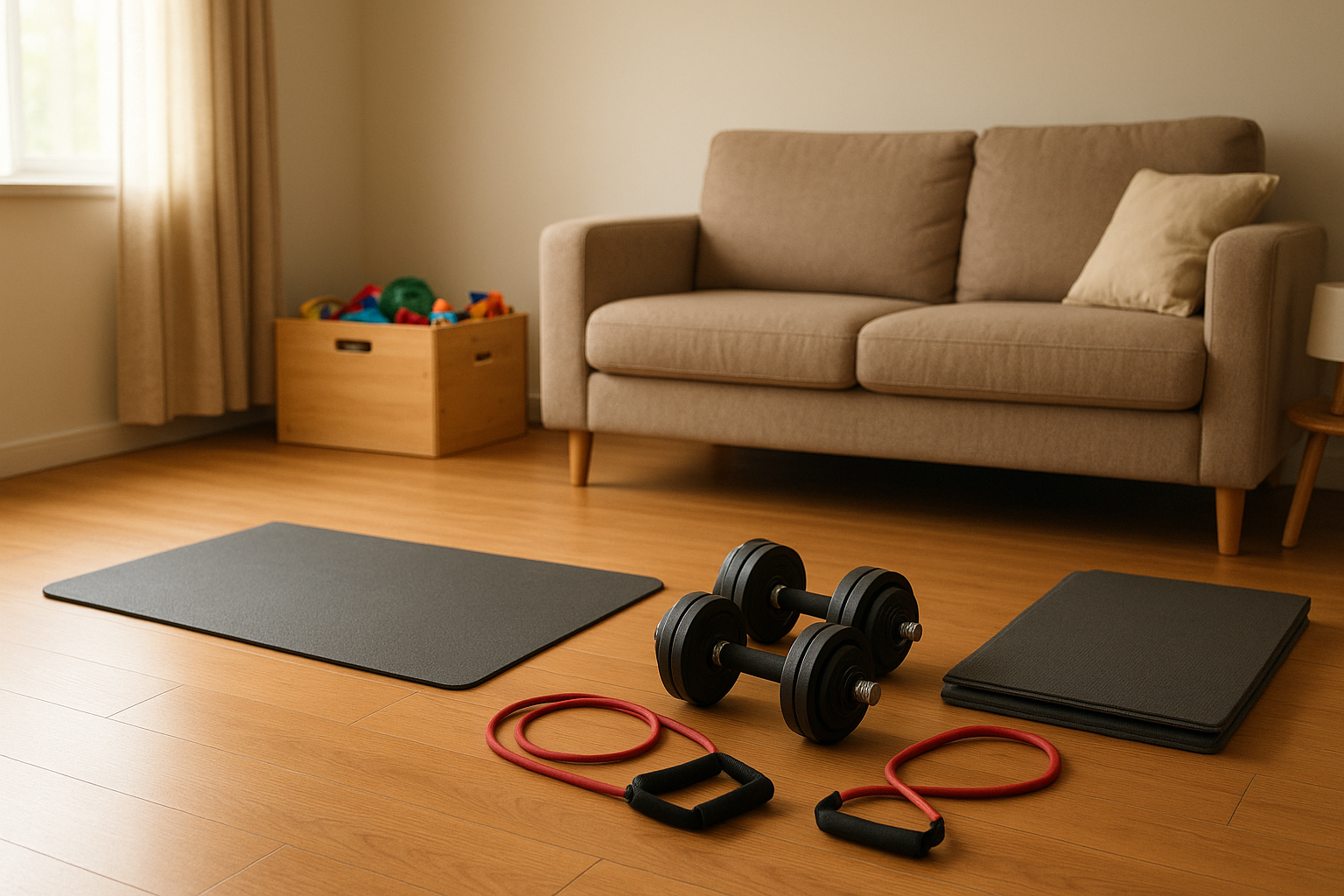
The heart of a compact home gym starter kit should be a couple of all‑in‑one strength tools. Adjustable dumbbells, suspension trainers and resistance bands allow you to train your whole body without a large rack or bench. For example, an adjustable dumbbell set can replace an entire tower of fixed weights, and a suspension trainer can hook onto a door and then be packed away in a small bag. These options minimise clutter yet still let you perform pressing, rowing, squatting and core movements. Look for kits that come with storage cases or wall‑mount options so everything has a designated home once your session is over.
Manage noise and floor protection
In family homes and flats, noise control is almost as important as space. To avoid waking kids or disturbing neighbours, choose low‑impact training tools and protect your floors. A thick, foldable exercise mat reduces sound and cushions joints, while rubber‑coated weights are quieter if set down quickly. Bands, sliders and bodyweight exercises are naturally silent compared to barbells or heavy kettlebells. If you like to train early or late, build your routine around movements that do not involve jumping or dropping weight. This way, your home workouts become sustainable parts of family life rather than a source of tension.
Plan your budget and buy in smart phases
With so many gadgets marketed to parents, it is easy to overspend. Start by setting a realistic budget and listing the essentials: a mat, one main strength tool, and a light conditioning option such as a skipping rope or mini bands. Buy in phases: begin with a simple starter kit, train consistently for a month, then add only what you truly miss. Focusing on versatility per pound spent helps you avoid impulse buys and bulky machines that become expensive clothes hangers. Over time you will build a compact, efficient setup that supports your goals without overwhelming either your wallet or your living space.
In summary, choosing a compact home gym starter kit for a family house is about clarity and intention: know your space, protect your kids, minimise noise and buy adaptable gear that pulls double or triple duty. With a few carefully selected pieces that store easily and work quietly, you can train effectively at home, stay consistent through busy seasons of parenting and keep your living areas comfortable and uncluttered for everyone.