For home lifters who already have the basics covered – protein, creatine, smart programming and sleep – two underrated amino acids may offer extra support: glycine and taurine. Both naturally occur in the body and in food, but targeted supplementation is being studied for potential benefits in sleep quality, recovery, muscle pumps and blood sugar control. Here’s what current evidence suggests, how to dose and time them, and which products may fit into a practical home gym routine.
What are glycine and taurine, and why should home lifters care?
Glycine is a simple amino acid that the body uses to build collagen, glutathione (a major antioxidant) and even creatine. It’s involved in joint tissue, tendons, skin and the nervous system. Taurine is another amino acid-like compound found in the brain, heart and muscles; it helps regulate cell hydration, electrolytes and nervous system signalling. For people training mainly at home, these compounds are interesting because they sit at the crossroads of recovery, sleep and performance: research suggests they may help reduce oxidative stress from hard sessions, support better sleep onset and quality, and improve exercise capacity in some contexts. They’re not magic muscle builders, but they may smooth the edges of your training lifestyle so that your existing program works better.
Glycine: collagen, sleep and recovery for home training
Glycine appears in many collagen peptide products because it’s a primary building block of collagen. A good example is Osavi Collagen Peptides, Hydrolyzed Type 1 & 3 – Powder 300g, which provides 20 g of collagen per serving and is naturally rich in glycine, proline and hydroxyproline. For home lifters, collagen plus glycine is mainly about supporting tendons, ligaments and joint structures, which are often stressed by repeated heavy squats, presses and pulls in a confined setup. Collagen peptides dissolve easily in hot or cold drinks and can double as a protein top‑up, useful if you train early and prefer to sip your supplements alongside coffee or a shake. On the sleep side, isolated glycine (around 3 g before bed) has been shown in several studies to modestly improve sleep onset, subjective sleep quality and next‑day alertness, likely via effects on body temperature and the nervous system. Collagen powders won’t hit that exact dose, but they do increase daily glycine intake, which may still be beneficial over time.
Taurine: performance, pumps and blood sugar control
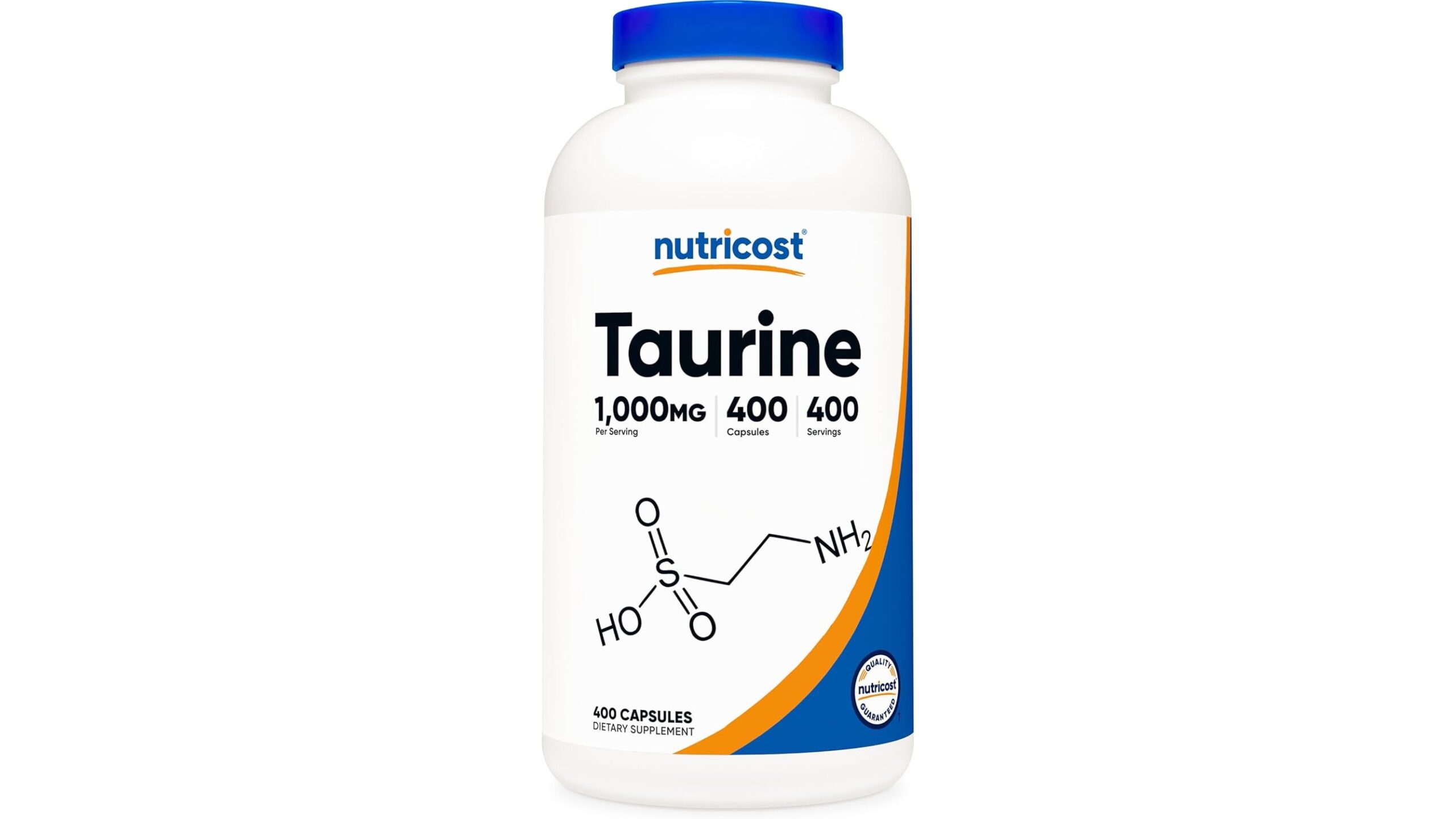
Taurine features in many energy drinks for a reason: it supports cellular hydration, may help buffer fatigue and can influence blood flow. A straightforward standalone option is Nutricost Taurine 1000mg, 400 Capsules, offering 1000 mg per capsule and a large bottle that suits consistent use. Evidence indicates taurine can support exercise capacity, subjective reduced fatigue and even insulin sensitivity and blood sugar handling in some populations, although findings are mixed and dose‑dependent. For home lifters doing high‑rep or conditioning‑style work, many users report better pumps and less post‑session fatigue at intakes of 1–2 g pre‑workout. Taurine also acts as an antioxidant and neuromodulator, so it can take some of the edge off high caffeine, which is relevant if your pre‑workout stack is basically a strong coffee before you hit the garage gym. As always, results vary, but the safety profile of taurine at typical doses is generally good in healthy adults.
Dosing and timing: how to integrate glycine and taurine at home
For glycine, research on sleep often uses 3 g taken 30–60 minutes before bed. For joint and connective‑tissue support through collagen, commonly studied intakes are around 10–20 g collagen peptides daily, which you can get from a scoop of a product like Osavi Collagen Peptides stirred into coffee, oats or a shake. For taurine, a practical framework is 1–2 g (one to two capsules of a 1000 mg product like Nutricost Taurine) taken about 60 minutes pre‑workout for potential performance and pump benefits, or in the evening for relaxation. Avoid megadoses: most data in healthy adults clusters around 1–3 g per day. Consistency matters more than fancy timing; build them into existing habits, such as morning coffee for collagen/glycine and pre‑session water for taurine.
Who might benefit most – and who should skip these supplements?
Home lifters who train hard 3–5 times per week, especially with joint‑heavy barbell or dumbbell work, may get the most from added collagen‑rich glycine, particularly if their dietary intake of connective‑tissue meats is low. Those who feel over‑stimulated by caffeine or struggle with late‑day sessions impacting sleep might experiment with taurine for its calming, neuromodulatory effects and with glycine before bed. Potential blood sugar support from taurine could appeal to lifters managing insulin resistance under medical supervision. However, anyone with kidney or liver disease, on complex medication regimens, pregnant or breastfeeding, or with known amino acid metabolism disorders should speak to a healthcare professional before using these supplements. If your protein intake, calorie balance, training plan and sleep hygiene are not yet dialed in, focus there first; supplements like glycine and taurine work best as small, evidence‑informed upgrades to an already solid routine.
Glycine and taurine won’t replace progressive overload, good nutrition or consistent sleep, but they can be useful tools in a home lifter’s recovery and performance toolbox. Glycine, especially via collagen products such as Osavi Collagen Peptides, may support joints, connective tissue and sleep quality, while taurine supplements like Nutricost Taurine 1000mg may help with pumps, fatigue and blood sugar control. Used at sensible doses and paired with smart home programming and lifestyle habits, these underrated amino acids can make your training slightly smoother, your recovery a bit easier and your progress more sustainable over time.