Bringing a mini sauna at home is a tempting idea if you love training and want faster workout recovery. From portable steam tents to infrared heat, home setups can mimic some benefits of a spa: improved circulation, relaxation and a pleasant post‑session “flush”. But heat is also a physiological stressor, and not every product is equal or safe for every athlete. Below you’ll find a realistic guide to portable saunas, how to use them around your training, and when a simple hot bath is all you really need.
Portable home saunas: what are your options?
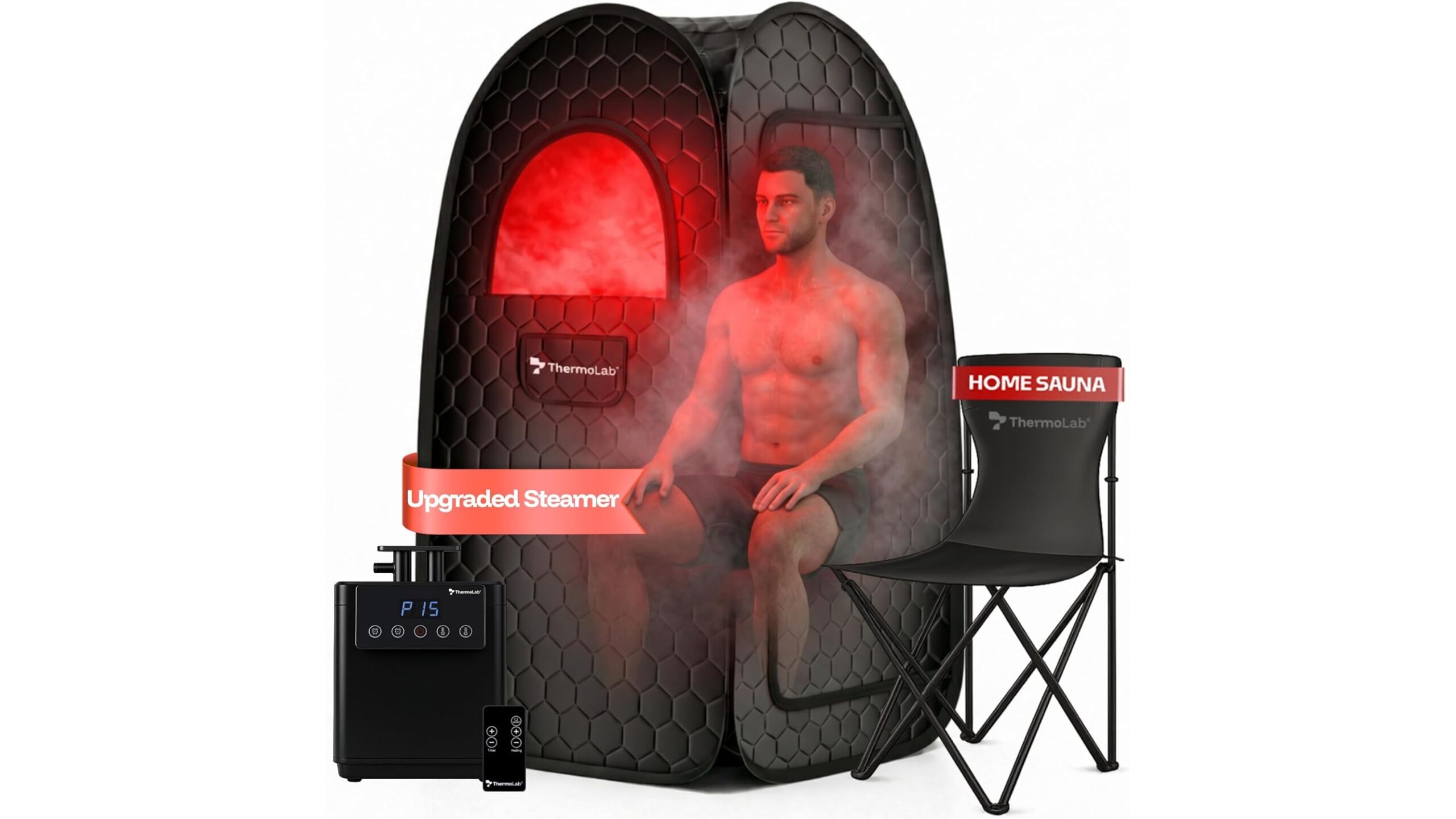
Most home users will choose between portable steam saunas, infrared saunas and classic hot baths. Portable steam tents surround your body with moist heat generated by a small boiler, while infrared models use panels or heaters that warm you directly at slightly lower air temperatures. An example of a compact far‑infrared solution is the Infrared Sauna, Portable Infrared Sauna for Home Spa by CONLONS, which uses far infrared heat at around 45–65 °C with a stainless steel frame and insulated fabric to keep warmth in. On the steam side, pop‑up tents such as the ThermoLab 2.0 Steam Sauna for Home Use or the Runitude Portable Sauna Steam Pop‑Up Tent pair a 1000 W generator with a compact enclosure to create a full‑body steam room experience without building a permanent cabin.
Key recovery benefits: what heat really does
The main reason lifters and runners add sauna for recovery is the combination of increased circulation, relaxation and a mild cardiovascular stimulus. Sitting in a portable infrared cabin like the CONLONS Infrared Sauna encourages vasodilation and a gentle rise in heart rate, which can help move metabolic by‑products and reduce the sensation of stiffness after heavy training. Steam setups such as the ThermoLab Steam Sauna or Runitude Pop‑Up Tent deliver high humidity and strong heat, promoting heavy sweating that users often describe as “deep” relaxation. Some models, including ThermoLab’s, add infrared LED light therapy aimed at deeper tissue warming, though research on performance benefits is still emerging. Overall, think of heat as a way to unwind, assist recovery between sessions and potentially improve heat tolerance for endurance training.
How to combine heat sessions with your workouts
To use a mini sauna for workout recovery safely, timing and duration matter more than chasing extreme temperatures. In general, keep sessions after your main workout, not before heavy lifting or high‑intensity intervals, to avoid extra fatigue or dehydration. A good starting point is 10–15 minutes in a unit like the ThermoLab 2.0 or Runitude steam sauna, or a low‑to‑moderate setting in the CONLONS infrared sauna, followed by cool (not icy) showering and rehydration. Aim for 2–4 sessions per week instead of daily marathons, and listen to early signs of overheating like nausea, dizziness or pounding headache. If you are in a hard strength block and chasing maximal gains, keep very hot, very long sessions away from the 24–48 hours immediately after your toughest workouts, as excessive heat stress might slightly blunt some adaptation in the short term.
Safety basics and who should be cautious
Home heat therapy is not risk‑free. Because devices like the Runitude Portable Sauna Tent can reach high steam intensity with a 1000 W generator and a compact cabin, they demand careful hydration and gradual acclimation. Always start at lower settings, keep a bottle of water nearby and exit immediately if you feel unwell. People with cardiovascular disease, uncontrolled high blood pressure, pregnancy, a history of fainting, or any condition affecting heat tolerance should speak with a healthcare professional before using saunas or hot baths. Products designed with safety in mind—Runitude’s tent, for example, uses materials third‑party tested for low emissions, while ThermoLab emphasises a heat‑retaining but insulated 4‑layer shell—still require responsible use. Never mix alcohol, recreational drugs or sedatives with sauna sessions, and avoid training to exhaustion immediately beforehand.
Comparing portable saunas, infrared blankets and hot baths
When choosing between portable saunas and simpler options, consider costs, space and maintenance. The CONLONS Infrared Sauna offers a roomy standing cabin with heated foot pads and a stainless steel frame, ideal if you want a drier, lower‑temperature feel and have a fixed corner in your home gym. Steam tents like the ThermoLab 2.0 include a pop‑up tent, chair, remote and washable base cover, delivering intense heat in a relatively small footprint. The Runitude Pop‑Up Tent focuses on quick assembly and safe use over carpets with included floor mats. In contrast, infrared blankets (not covered by the products above) and hot baths are cheaper and easier to store but less immersive. If your budget is tight, a 15–20 minute hot bath for muscle recovery after training can deliver many of the same relaxation and circulation benefits at a fraction of the price.
Practical checklist before buying and using home heat
Before investing in a mini sauna at home, clarify your goals: is it mainly stress relief, sleep improvement, light detox‑style sweating or serious heat acclimation for endurance events? Check power requirements (many generators like those in the ThermoLab and Runitude units run at 1000 W), room for safe ventilation around the tent, and whether the fabric and floor mats suit your flooring. Look for key safety and comfort features such as adjustable temperature and timers, double‑sided zips for easy exit, and washable liners. Remember that any heat tool is just one part of recovery: consistent sleep, nutrition, hydration and smart programming will always matter more than gadgets.
Used wisely, a home mini sauna can be a valuable addition to your recovery toolkit, helping you unwind after tough sessions, ease muscle tightness and build heat tolerance. Whether you choose an infrared unit like the CONLONS Portable Infrared Sauna, a steam tent such as the ThermoLab 2.0 or the Runitude Pop‑Up Sauna, start gradually, respect heat as a powerful stimulus and pair it with solid training fundamentals to get the most from every sweaty session.