If you train at home, it is easy to guess whether you are improving based on how a workout feels. But feelings are unreliable. With a simple workout log and a basic spreadsheet, you can turn those scribbles into clear training insights. By learning how to use pivot tables, you can track your weekly volume, check how often you train each muscle group and spot plateaus, all without paying for premium fitness apps.
Why logging matters before you open a spreadsheet
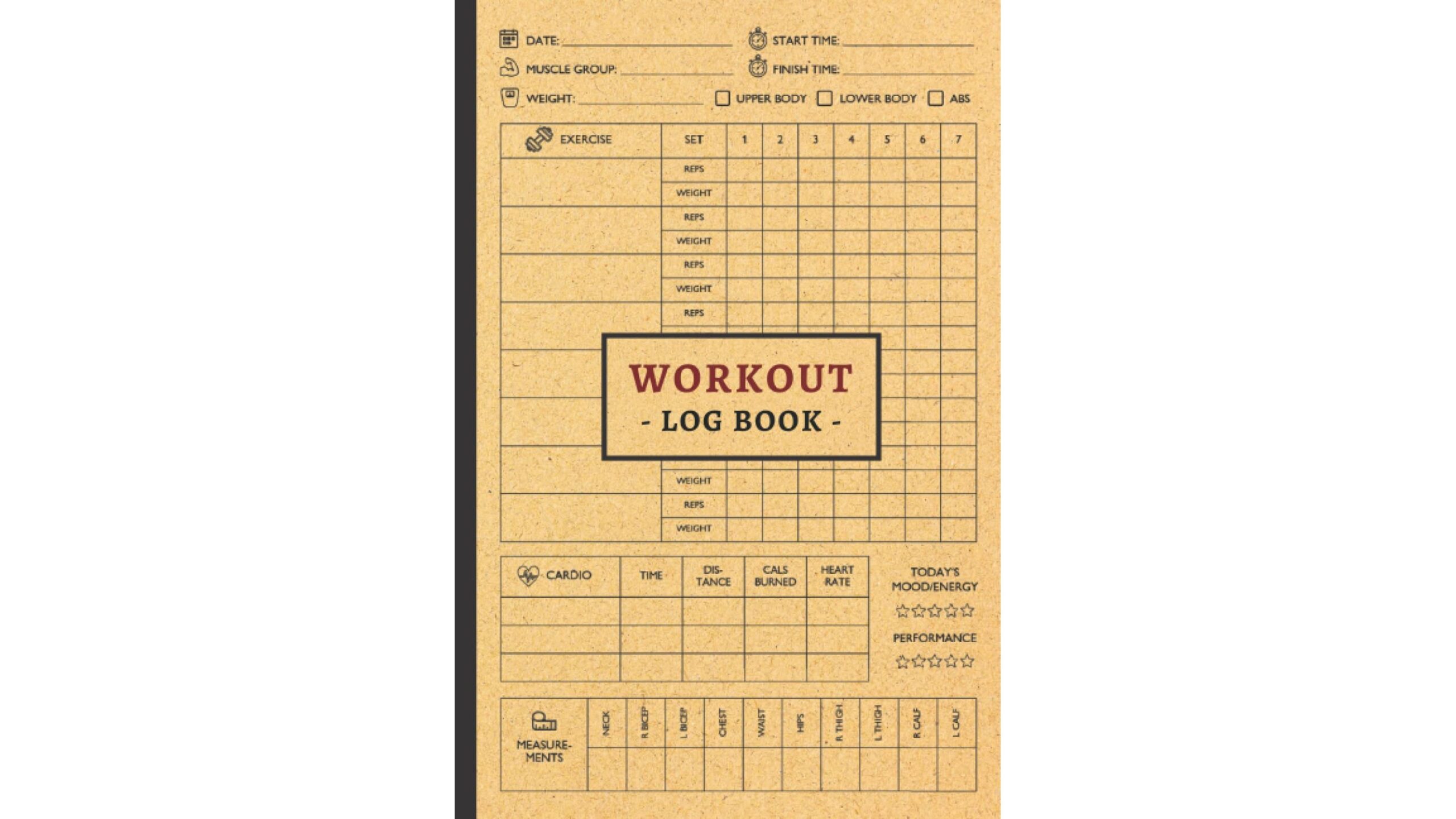
Before you think about formulas or charts, you need consistent workout data. A physical logbook makes this easier than typing into your phone between sets. A classic option is the Workout Log Book: Weight Lifting Log Book Journal for Men and Women | Gym Planner Journal Exercise Notebook & Fitness Logbook for Personal Training | … Gifts | Old School Yellow Cover 120 Pages, which gives you structured spaces for exercises, sets, reps and weight. Reviews highlight that it is “perfect to record everything from workout to sets/reps” and affordable, making it ideal if you are building a home gym routine on a budget. Write clearly, always use the same exercise names and log every session; this consistency is what will later make your spreadsheet analysis powerful.
[p iol_placeholder type=”cta” id=”telegram”/]
Designing a simple spreadsheet for home workouts
Once your pages start to fill up, it is time to move the information into a spreadsheet (Excel, Google Sheets or LibreOffice Calc all work). Start with one row per exercise per workout. At a minimum, include columns like: Date, Workout name, Exercise, Body part, Sets, Reps, Weight and optionally RPE (effort). The goal is not to build a complex system, but a tidy table that a pivot table can summarise. If you prefer a more minimal aesthetic on paper before you type, the Workout Log Book: Gym Weight Lifting Log Book & Workout Journal for Men and Women | Bodybuilding Weightlifting Gym Planner Exercise Notebook & Fitness … Diary Gift) | Minimal Brown Cover 120 Pages offers a clean layout that many lifters find easier to scan quickly between sets.
Using pivot tables to track training volume
With your table set up, a pivot table can calculate workout volume automatically. First, create a new pivot table using your full data range. Drag Date (grouped by week or month) to the rows area, and Body part or Exercise to the columns. In the values field, add a calculated field such as Sets × Reps × Weight or simply total reps. The result is a grid that shows how much work you did for each muscle group across time. In a home gym, where equipment is limited, this helps you balance push and pull sessions, avoid neglecting legs and ensure progressive overload despite using the same few dumbbells, bands or a barbell.
Checking frequency and exercise balance at a glance
Another powerful trick is to pivot your workouts by frequency. In a new pivot table, use Date (grouped by week) as rows and Workout name or Body part as columns. Set the values to Count of Exercise or Count of Date. Now you can instantly see how many upper body, lower body or full body sessions you completed each week. This is especially useful if your home schedule is chaotic: you will know whether you truly hit three full-body sessions, or just did two random upper days. Over time, you can compare frequency with changes in strength on key lifts, making informed adjustments instead of guessing.
Spotting plateaus and planning progressions
Pivot tables are not only about totals; they help you spot plateaus. Create a pivot where rows are Date (or week), the filter is a single key Exercise like the dumbbell bench press, and the values show Max weight or Average weight. If that line stops climbing for several weeks while volume is still high, it may be time to deload, change rep ranges or switch variation. You can also use conditional formatting on the pivot results to highlight weeks with unusually low volume or missed sessions. This kind of simple, data-driven feedback turns a humble logbook and spreadsheet into a practical training dashboard for your home gym.
From scribbles to strategy in your home gym
Turning your workout log into a pivot-table-powered report is less about technology and more about habits. A low-cost paper log like the two Workout Log Books above keeps you consistent in recording every set; a basic spreadsheet organises that data; and pivot tables transform it into clear insights about volume, frequency and progress. You do not need fancy apps or wearables to train intelligently at home: with a pen, paper and a little spreadsheet practice, your past sessions become a roadmap for smarter, more effective workouts in the future.