Creating an effective home workout routine can be challenging if you are sensitive to stimulants such as caffeine. The good news is that you can still support energy, focus and recovery without relying on jitter-inducing ingredients. This article explores evidence-based, caffeine-free supplement strategies that fit easily into a home gym lifestyle, alongside practical tips on what to avoid if stimulants typically make you anxious, wired or disrupt your sleep.
Hydration, electrolytes and basic nutrition first
Before looking at any supplements, the most powerful “caffeine-free pre-workout” is simply solid hydration and nutrition. Mild dehydration of even 1–2% of body weight can noticeably reduce strength, endurance and concentration during home sessions. A low-sugar electrolyte drink or homemade mix (water, a pinch of salt, a splash of citrus, and a small amount of carbohydrate) taken 30–60 minutes pre-workout can improve fluid balance without stimulants. Pair this with a snack containing around 20 g of protein and 20–40 g of carbohydrate (for example, Greek yogurt and fruit or wholegrain toast with nut butter) to provide steady energy for resistance bands, dumbbell work or bodyweight circuits at home.
Non-stimulant focus aids: L-theanine and adaptogens
If your main goal is better focus rather than sheer stimulation, certain caffeine-free ingredients show promising evidence. L-theanine, an amino acid found in tea, is known for promoting a calm but alert state, supporting concentration without raising heart rate or blood pressure. Many users find it useful before skill-based or high-rep home sessions where mental clarity matters. In addition, plant-based adaptogens like ashwagandha and rhodiola have been studied for their potential to support stress resilience and perceived energy over time. These are not quick “hits” like caffeinated pre-workouts, but may help you feel more balanced and ready to train, especially if you are dealing with work stress while exercising at home. Always introduce one product at a time and monitor mood, sleep and any side effects.
Creatine and beta-alanine for strength and endurance
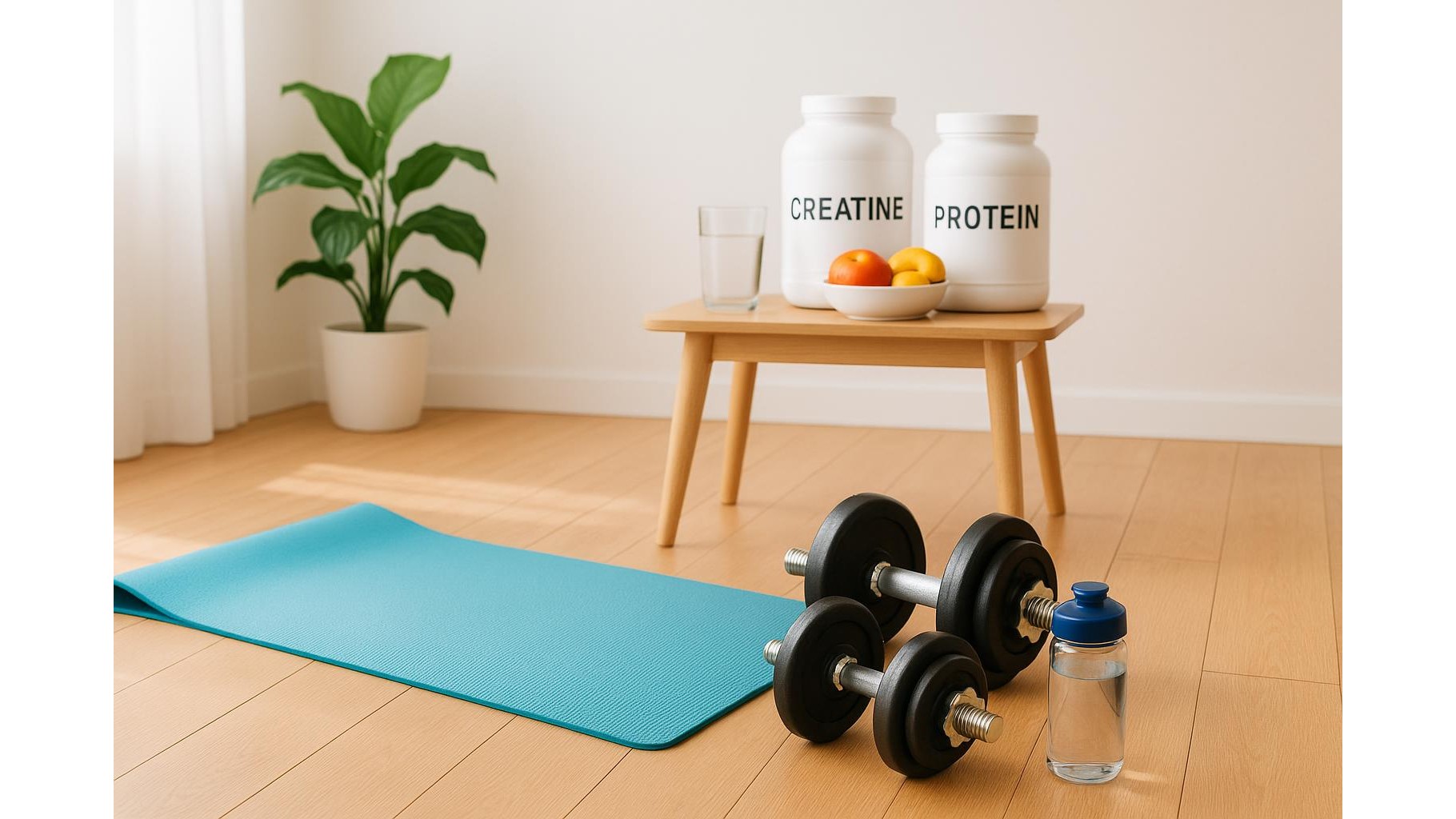
For evidence-based improvements in strength and performance that do not depend on stimulants, creatine monohydrate and beta-alanine are two of the most researched options. Creatine helps replenish ATP, the primary energy currency for short, intense efforts like heavy squats, push-ups and kettlebell swings in your home gym. Taken daily (typically 3–5 g), it gradually increases muscle creatine stores and can support power output and training volume without affecting the nervous system like caffeine does. Beta-alanine, often dosed at 2–5 g per day, increases muscle carnosine, buffering acid buildup and potentially improving performance in efforts lasting 60–240 seconds, such as circuits or intervals. Be aware that beta-alanine can cause a harmless tingling sensation (paresthesia) in some people; if you are sensitive, starting with smaller doses spread throughout the day may help.
Intra-workout carbs, protein and recovery support
When home workouts run longer than 45–60 minutes, especially if they are intense, a small amount of intra-workout carbohydrate can help maintain energy without stimulants. This can be as simple as a piece of fruit or a modest dose of a carb powder mixed with water. Post-workout, focusing on protein (around 20–30 g) within a couple of hours supports muscle repair and growth. Whey, casein or high-quality plant proteins can all work, depending on your dietary preferences. Adding some carbohydrates, such as oats or rice cakes, can aid glycogen replenishment, particularly if you train on consecutive days. For recovery, nutrients like magnesium (especially glycinate or citrate forms) may help with muscle relaxation and sleep quality, both vital for making progress with your home fitness routine.
What to avoid if you are stimulant-sensitive
If you react strongly to stimulants, watch ingredient labels carefully. Many “caffeine-free” formulas may still include other stimulant compounds such as synephrine, yohimbine, or high doses of green tea and guarana extracts that contain hidden caffeine. These can trigger the same issues—anxiety, palpitations, irritability and insomnia. Also be cautious with mega-dosed pre-workout blends that do not clearly list exact amounts of each ingredient (“proprietary blends”), as this makes it hard to judge total stimulant load. Combining multiple products (for example, a pre-workout, fat burner and energy drink) increases the risk of unintended stimulant stacking. If you are on medication, pregnant, or have cardiovascular or mental health conditions, consult a healthcare professional before adding any supplement, even if it is marketed as caffeine-free.
For stimulant-sensitive individuals training at home, an effective supplement strategy is built on non-glamorous fundamentals: hydration, balanced nutrition, sufficient sleep and a realistic training plan. Evidence-backed additions like creatine, moderate beta-alanine, calming L-theanine, adaptogens, and well-timed carbs and protein can enhance your sessions without the crash or jitters associated with caffeine. By prioritising clear labels, conservative dosing and careful self-monitoring—and avoiding hidden stimulants—you can create a sustainable, caffeine-free approach that supports long-term health, performance and enjoyment of your home workouts.