When you train in a small home gym, every piece of equipment has to earn its space. Adding external load to bodyweight moves is one of the smartest upgrades you can make, but choosing between a classic weighted vest and a plate carrier can be confusing. Both increase intensity for push‑ups, pull‑ups, squats and conditioning circuits, yet they feel very different on the body and interact differently with tight rooms, low ceilings and crowded racks. This guide focuses on comfort, adjustability, movement freedom and safety so you can pick the solution that really fits your compact training area.
Understanding weighted vests and plate carriers
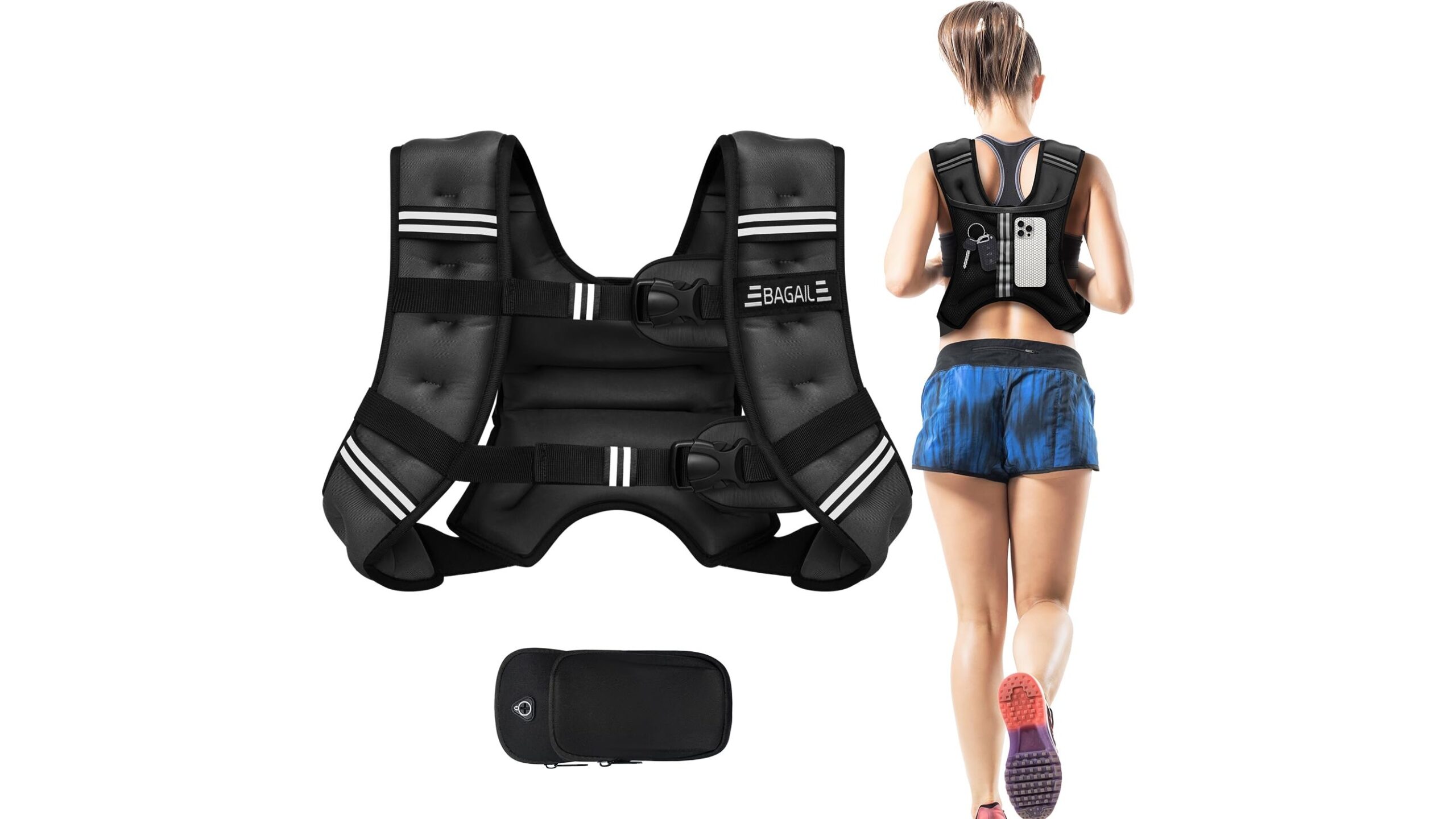
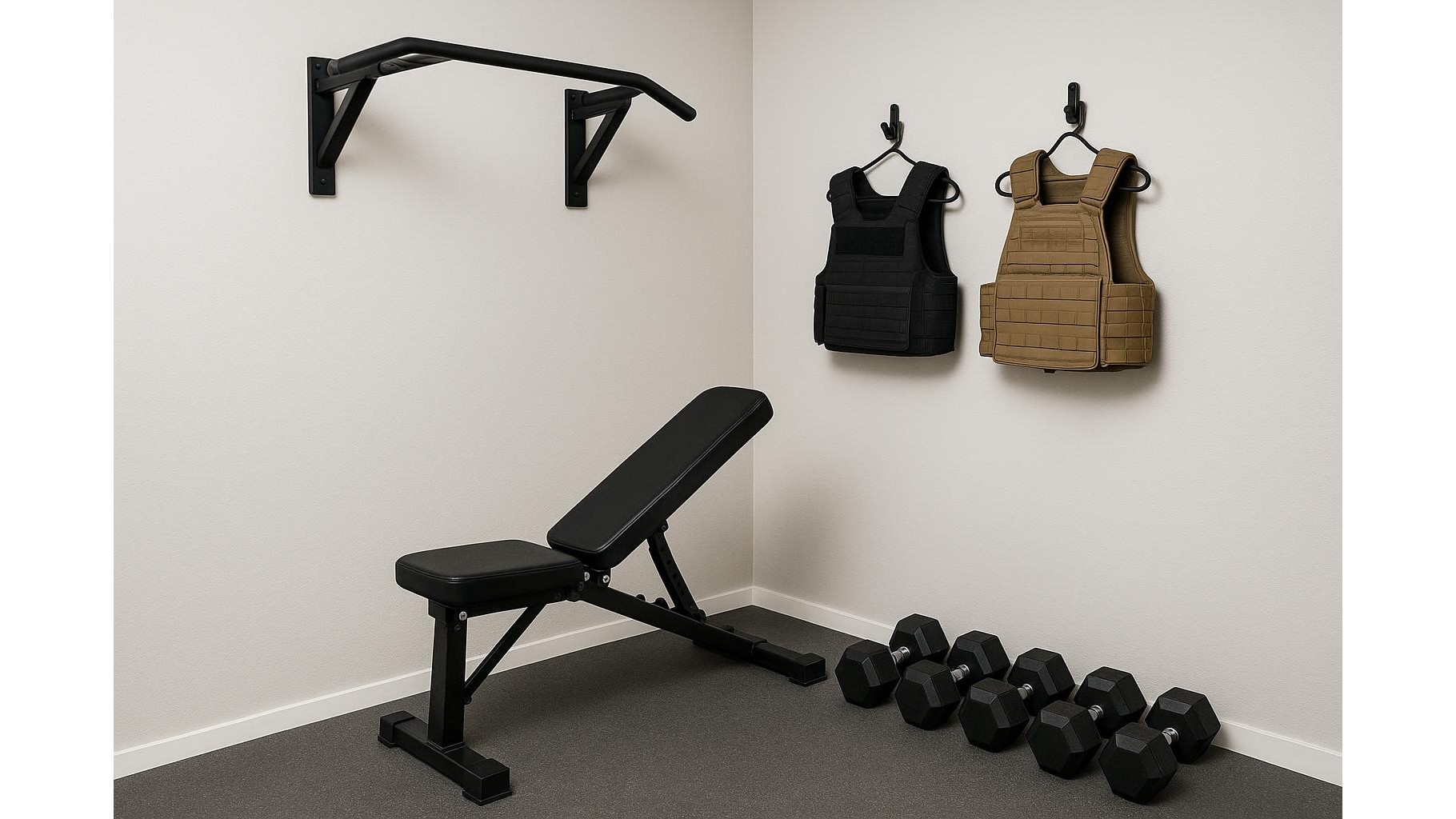
A weighted vest is typically built with multiple small pockets around the torso, filled with sandbags or steel blocks. This design spreads the load evenly and often gives a snug, body‑hugging fit that suits general fitness and HIIT work. A plate carrier, inspired by tactical gear, holds flat steel or bumper plates on the front and back of the torso. It usually uses MOLLE‑style webbing, Velcro and sturdy shoulder straps for a very tight, compact fit. For a small home gym, the key practical difference is volume: standard weighted vests can be bulkier and extend lower on the torso, while plate carriers tend to be shorter and flatter, which matters when you are squeezing between a rack, a bench and a wall.
[p
Comfort and adjustability in long home sessions
In a confined training corner, comfort and fine adjustability are crucial because you may keep the vest on for an entire full‑body circuit. Many weighted vests offer incremental load changes by adding or removing small weights, which lets you dial in progression in steps of 0.5–1 kg. However, some models use thin shoulder padding and can dig into traps during longer sessions or high‑impact moves like jump squats. Plate carriers generally provide thicker shoulder pads and wide straps, distributing pressure more evenly, but the weight often changes in bigger jumps as you swap plates. This makes them excellent for simple strength and conditioning blocks, but less ideal if you want ultra‑precise micro‑loading. Always check that the vest allows enough strap adjustment to fit over both a T‑shirt in summer and thicker layers in winter without bouncing around your ribs.
Movement freedom in tight spaces
Training in a limited space magnifies any restriction in movement. A longer, bulky weighted vest can bump against your thighs in deep squats or step‑ups and may catch on the edge of a bench during hip hinges or rows. When you work near a doorway pull‑up bar or a low ceiling, extra bulk on the shoulders can also increase the chance of hitting the door frame. Plate carriers usually sit higher on the torso, staying clear of the hips and allowing better range of motion for lunges, box step‑ups and Turkish get‑ups. Their compact profile is particularly useful when you do burpees, mountain climbers or crawl‑style drills in a narrow strip of floor. If your home gym is essentially a corner between a sofa and a wall, a shorter carrier that does not flare out at the bottom will feel far less intrusive.
Safety, noise and protection for your home
Safety in a home gym is not just about your joints; it is also about protecting floors and walls. Weighted vests with many small blocks spread impact if you accidentally bump into a rack upright, and they tend to be quieter when you set them down on the floor. Some models use softer exterior fabrics that are less likely to scuff painted walls in a hallway. Plate carriers concentrate load in fewer, heavier plates, so the impact can be harder and the noise louder if they hit the ground or a metal frame. In very tight rooms, this matters: repeated contact with a door frame or drywall can cause damage. Regardless of the system you choose, look for secure closures that prevent weights from shifting or slipping out, and avoid exceeding the manufacturer’s recommended maximum load, especially when you plan to do jumping drills on a wooden floor.
Which load system fits your small home gym?
If your priority is versatile conditioning and smooth, granular progression for bodyweight moves, a traditional weighted vest generally offers more precise weight control and a familiar feel that suits circuits and light cardio. It is often the better choice if you share the home gym with other family members who need lower loads. If your sessions focus on short, intense workouts, EMOMs and CrossFit‑style pieces in a very tight footprint, a plate carrier’s compact profile and high‑torso fit will likely feel more natural and less intrusive. It also tends to interfere less with hip hinge patterns, crawling work and overhead movements in cluttered spaces. In practice, the best option is the one you will actually wear regularly without discomfort or constant adjustments.
Ultimately, both weighted vests and plate carriers can significantly upgrade your home workouts by making simple bodyweight exercises more challenging without adding large machines. For a small home gym, analyse how much free space you truly have, which exercises dominate your routine and how sensitive your environment is to bumps and noise. Choose a system that balances compact design, secure fit and safe interaction with your walls, doors and flooring. Once you have a comfortable and well‑adjusted load system, you can progressively increase intensity, build strength and conditioning, and get more value from every square metre of your training area.