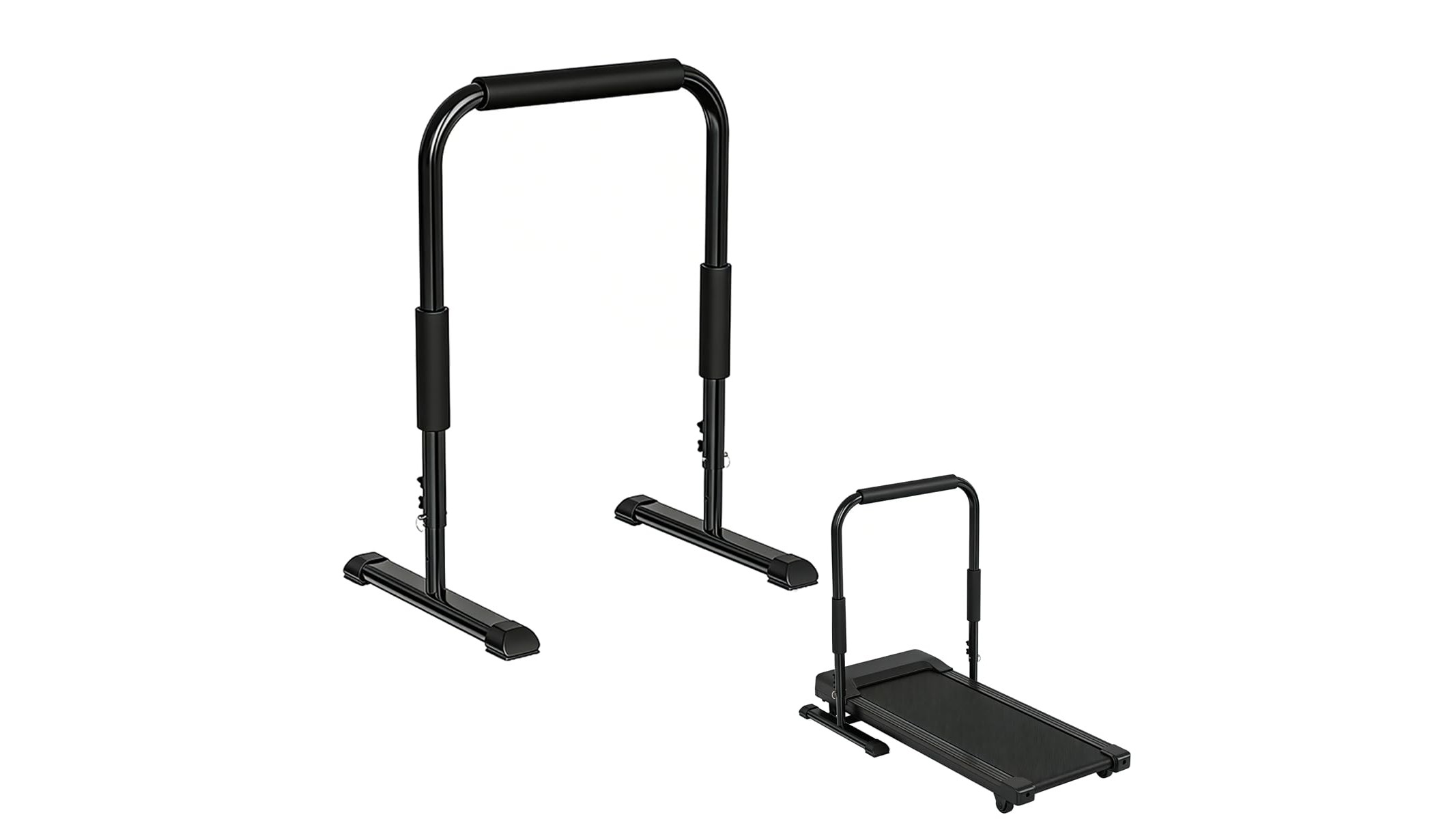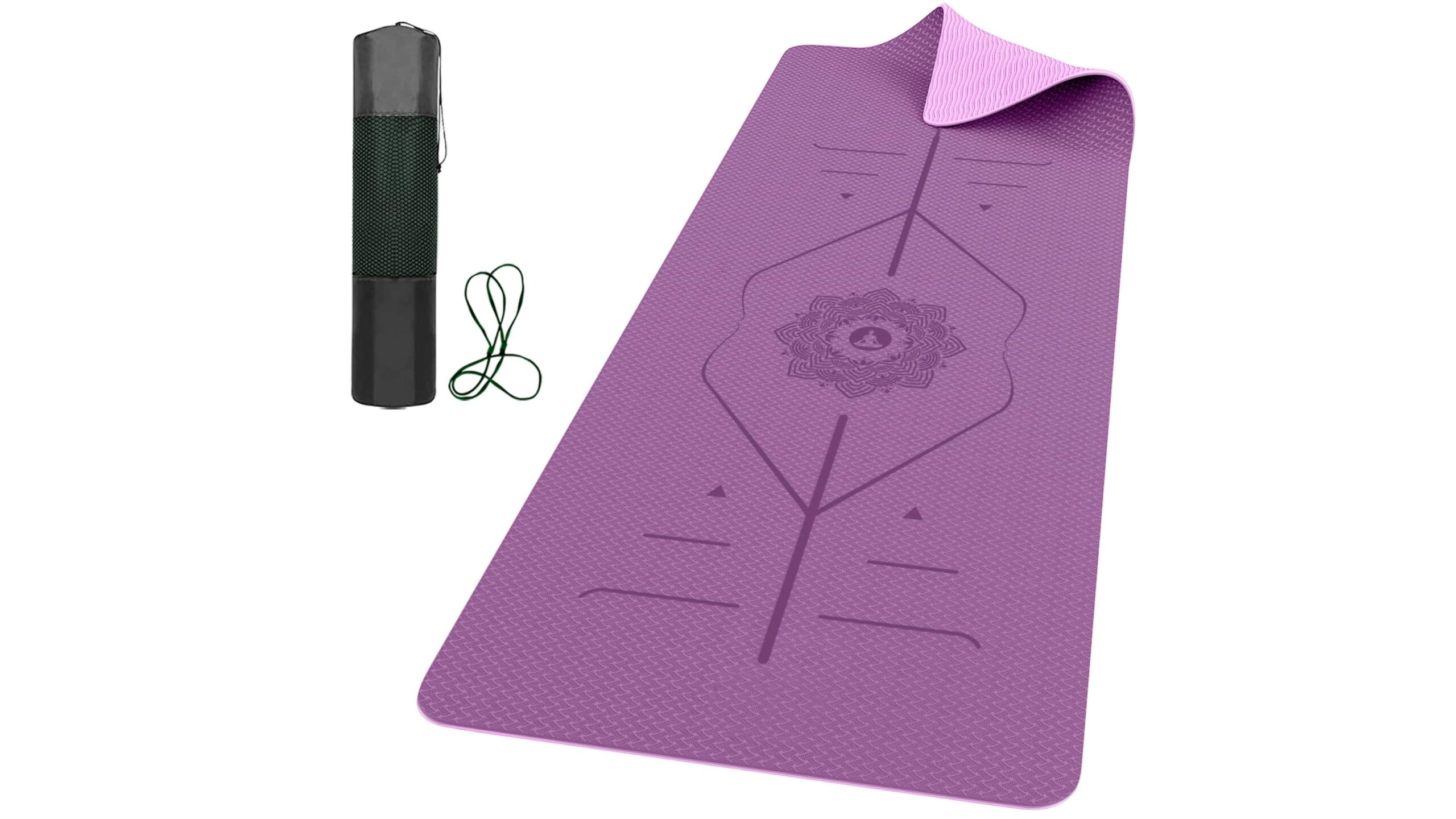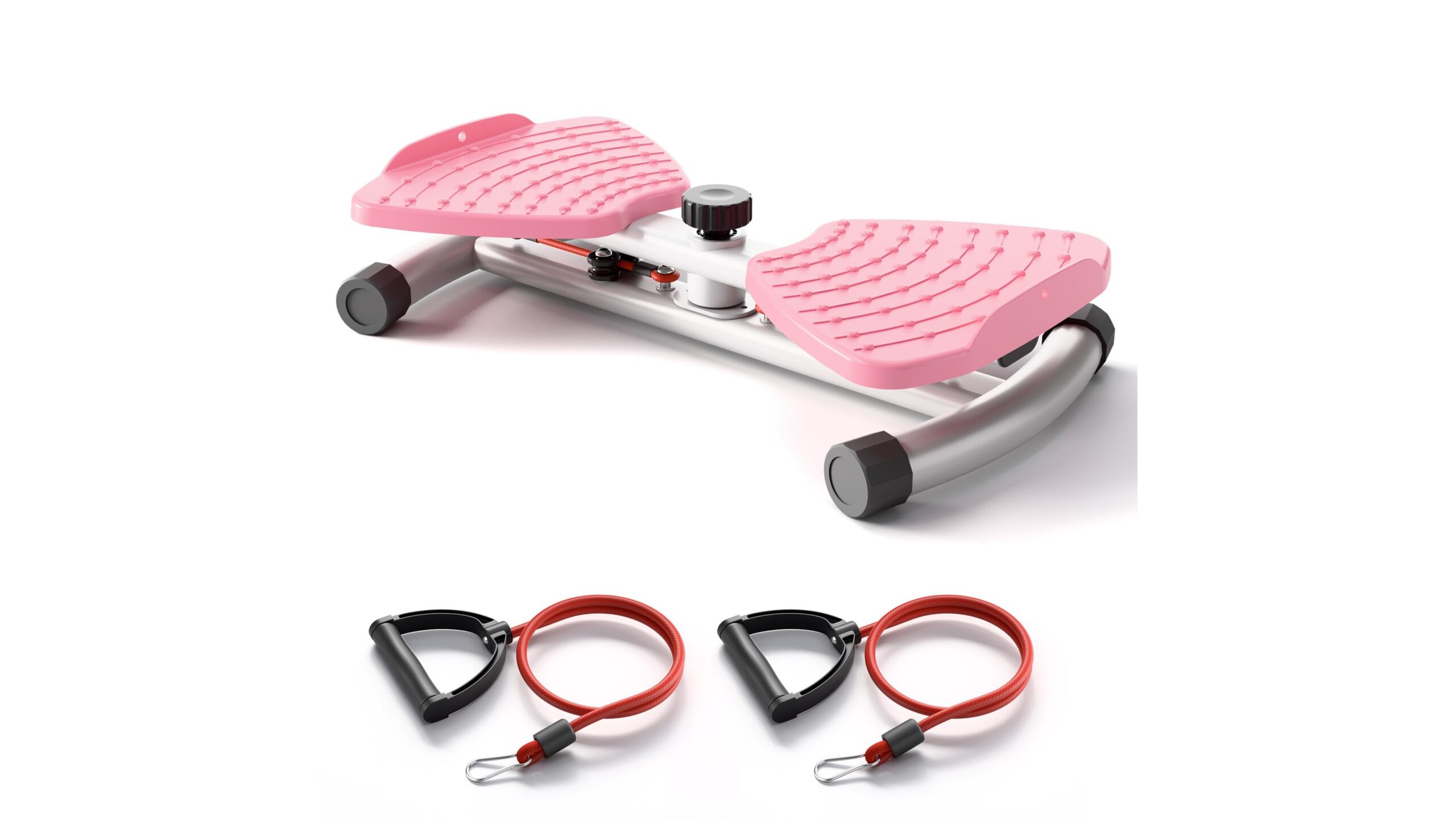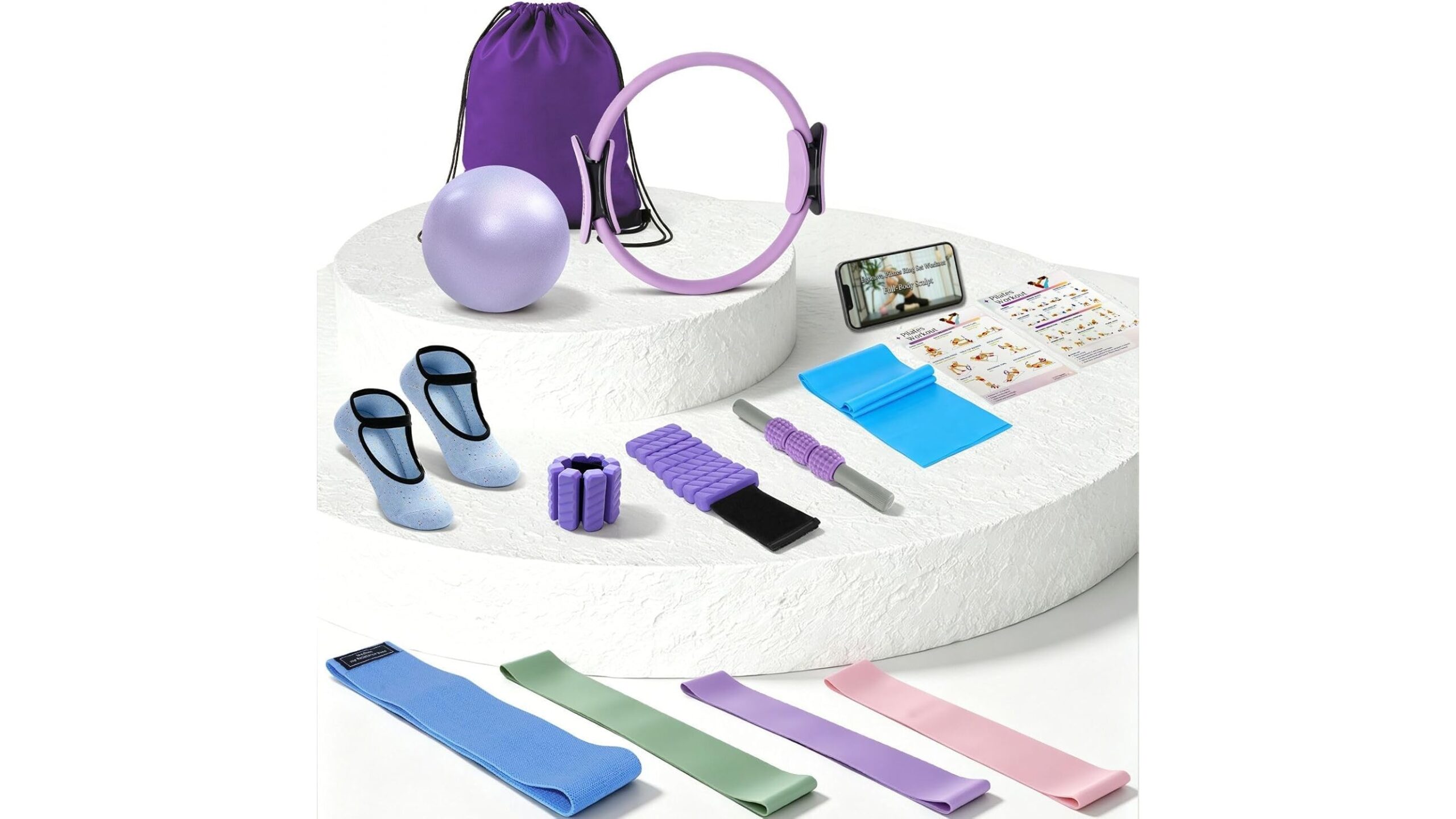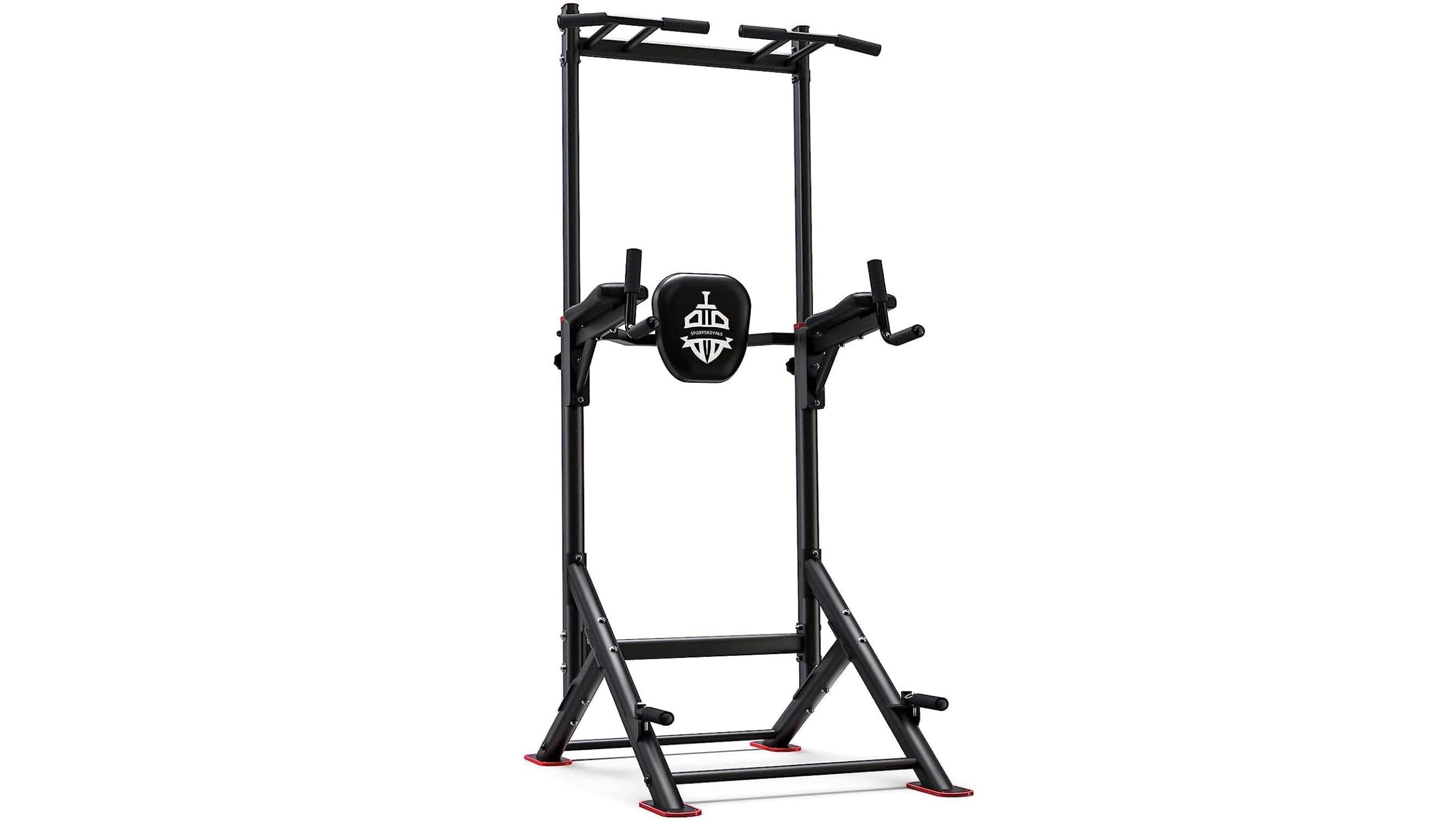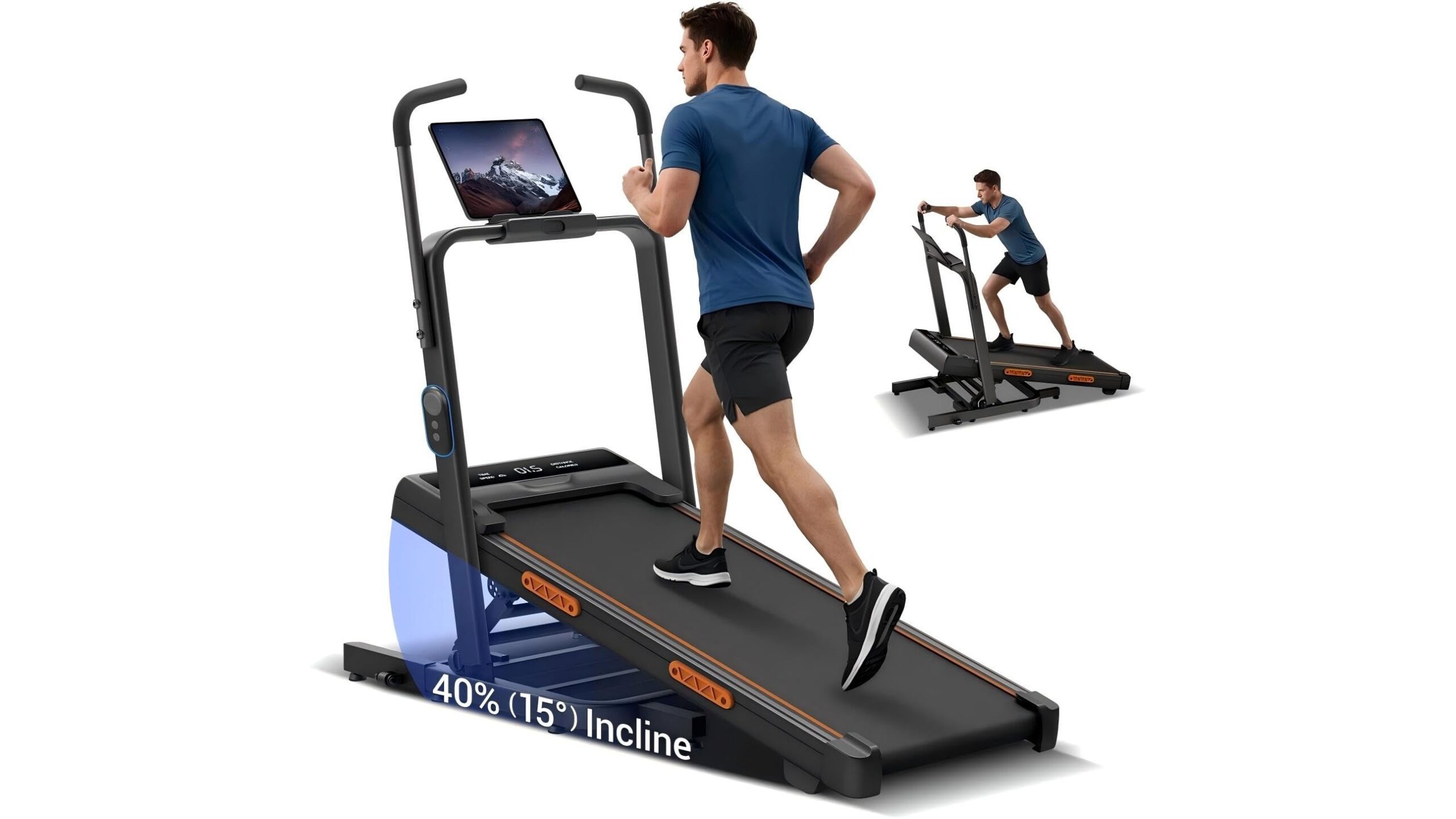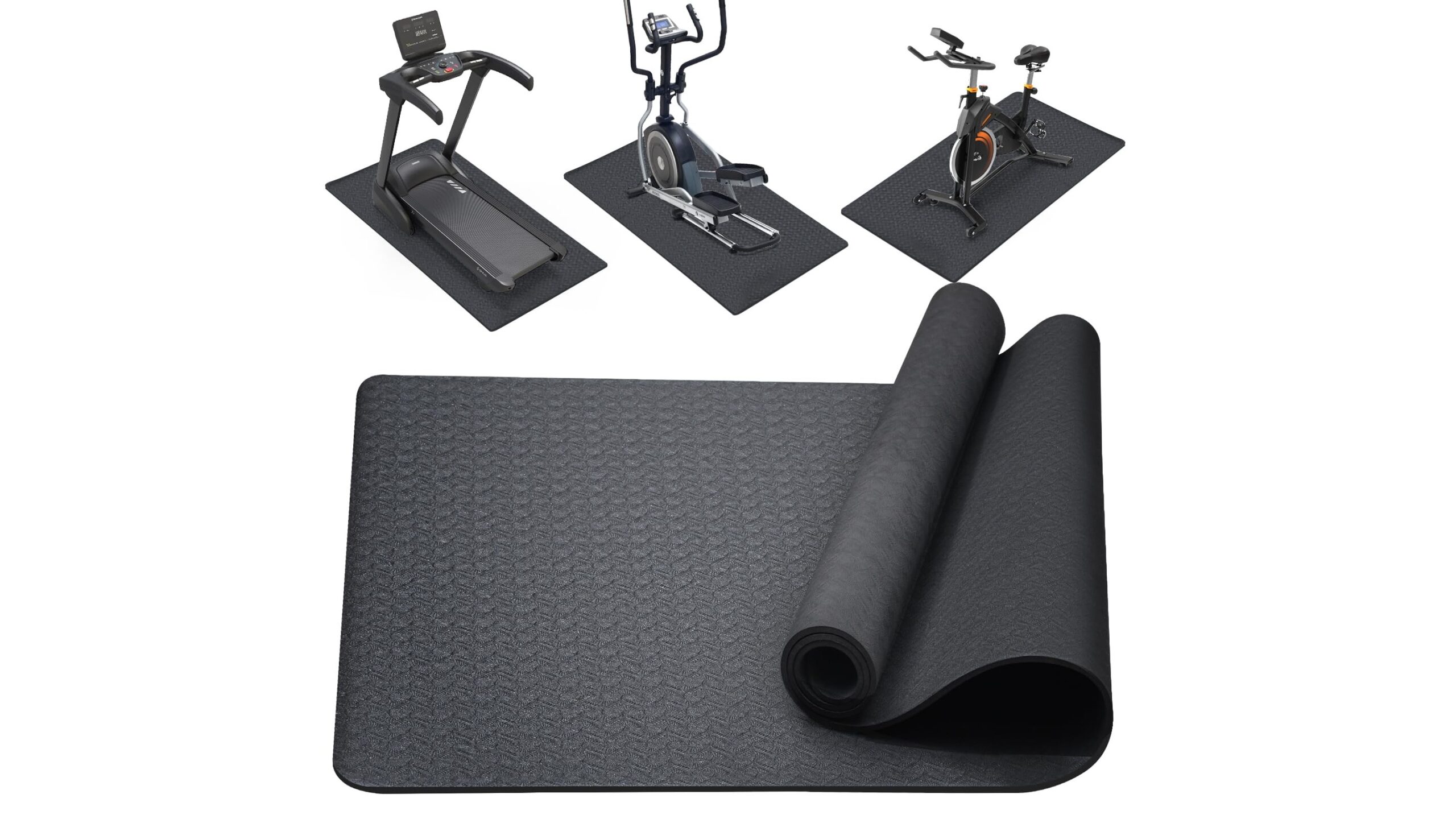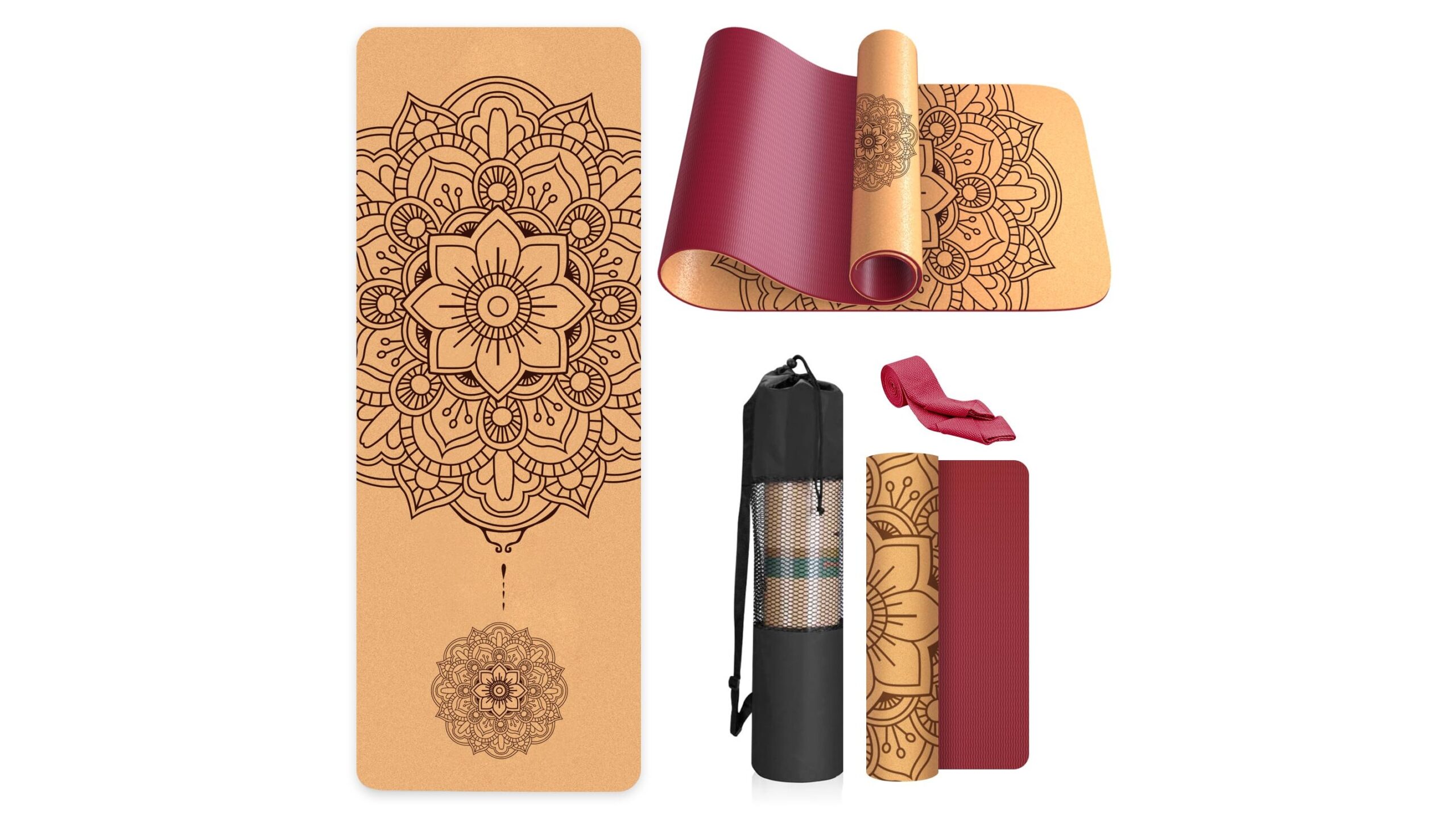
Creating a functional home gym in a small space hinges on how well you manage storage for weights and accessories. A smart, compact system keeps your dumbbells, bands, mats, and small gear organised, easy to reach, and safely out of the way when not in use. Before you buy random racks or shelves, it pays to think about your floor plan, the type of equipment you own, and how your training style might evolve. This guide walks you through key considerations when choosing a compact home gym storage system and how to combine different pieces to maximise every centimetre.
Table of contents
Assess your space and gear first
Start by listing what you actually need to store: dumbbells, kettlebells, resistance bands, yoga mats, mobility tools and any small accessories like skipping ropes or ankle weights. Measure your available wall length, ceiling height and floor depth around existing furniture or cardio machines. In a very tight room, vertical and wall-mounted solutions usually beat deep floor racks. Think about access: heavy weights should sit at hip to knee height, while lighter accessories can go higher. This assessment will help you choose between compact multi-tier racks, wall shelves, and hybrid systems instead of buying oversized commercial units that waste space.
Choosing compact racks for dumbbells and kettlebells
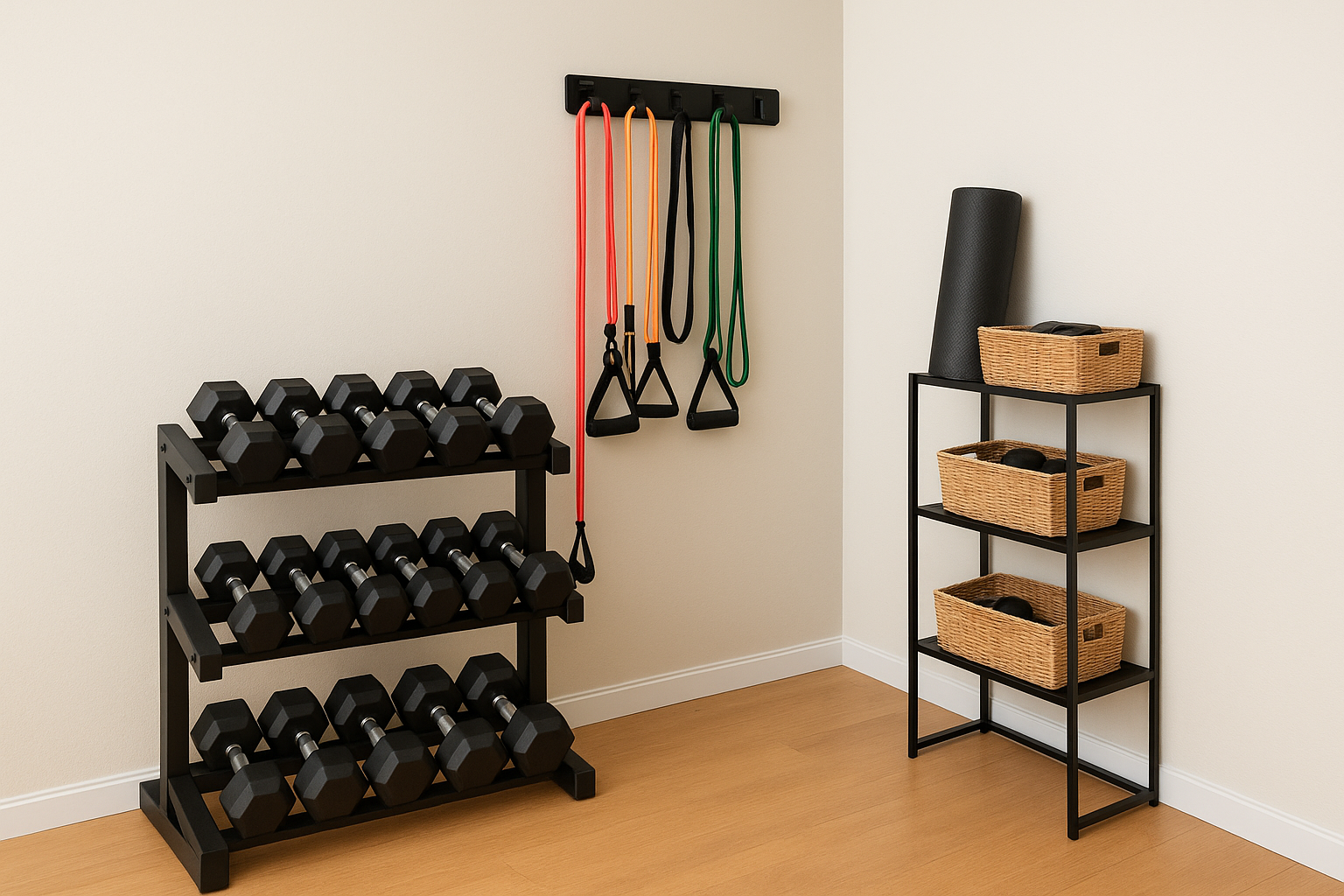
For free weights, look for a compact dumbbell rack with a small footprint and multiple tiers, ideally with angled shelves so you can grab weights without straining your wrists or back. A-frame designs fit well in corners, while low, three-tier racks can slide along a wall under a window. If you train with kettlebells, opt for a sturdy, flat-shelf rack that can hold concentrated weight without wobbling. Prioritise welded steel construction, anti-slip feet, and a clear maximum load rating so you know it will safely handle your heaviest sets. A well-chosen rack not only keeps pairs together and easy to identify, it also prevents rolling and protects your flooring.
Wall-mounted systems for bands, mats and small accessories
When floor space is limited, wall-mounted storage becomes your best ally. Look for racks and peg systems with multiple hooks for resistance bands, suspension trainers, skipping ropes and handles, plus a bar or hooks wide enough to hang yoga mats and foam rollers. A compact rail with staggered hooks can hold many items in a tight vertical strip, freeing the floor completely. Choose powder-coated steel with proper wall fixings suitable for your wall type (brick, block, or stud). Position small-accessory storage near your training zone but away from doors or walkways so nothing swings into people as you move. Keeping all your “soft” gear in one visible spot also makes it easier to rotate accessories into your workouts.
Using shelves, baskets and multi-use units
Beyond racks and hooks, simple shelves and baskets can transform a cramped corner into an efficient home gym storage system. A shallow metal or wood shelf unit can hold sliders, yoga blocks, ab wheels and even lighter dumbbells, while labelled baskets or bins keep smaller items grouped by category (mobility, core, rehab, etc.). Look for adjustable shelves so you can tweak heights as your kit changes. Multi-use benches with internal storage are another clever option: they double as a flat bench and a box to hide bands, mini-loops or boxing wraps. Combining one compact weight rack with a slim shelving unit often delivers more flexibility than a single bulky all-in-one tower.
Safety, durability and future-proofing
Any home gym storage must be safe and durable. Prioritise systems with clear load limits, solid welds or robust fastenings, and non-slip feet or wall anchors. Heavy items should be stored low to reduce tipping risk, and walkways should remain clear of handles or bands that could catch your feet. Think long term: if you plan to add heavier dumbbells or more specialty tools, choose racks and shelves that can grow with you rather than just meeting today’s minimum. Neutral colours and clean designs also blend better into multi-use rooms like offices or living rooms, making your home gym feel integrated rather than cluttered.
Planning a space-saving layout
Once you choose your main storage components, sketch a simple layout. Place your dumbbell and kettlebell racks near where you lift, wall racks for bands and mats on otherwise “dead” wall space, and shelves or baskets in less trafficked corners. Aim to keep a clear central training zone and use the vertical dimension aggressively: stack, hang and layer rather than spreading out. A well-planned compact home gym storage system turns even a small room into a tidy, motivating space where everything has a home, setup time is minimal, and you can focus fully on training instead of tidying.