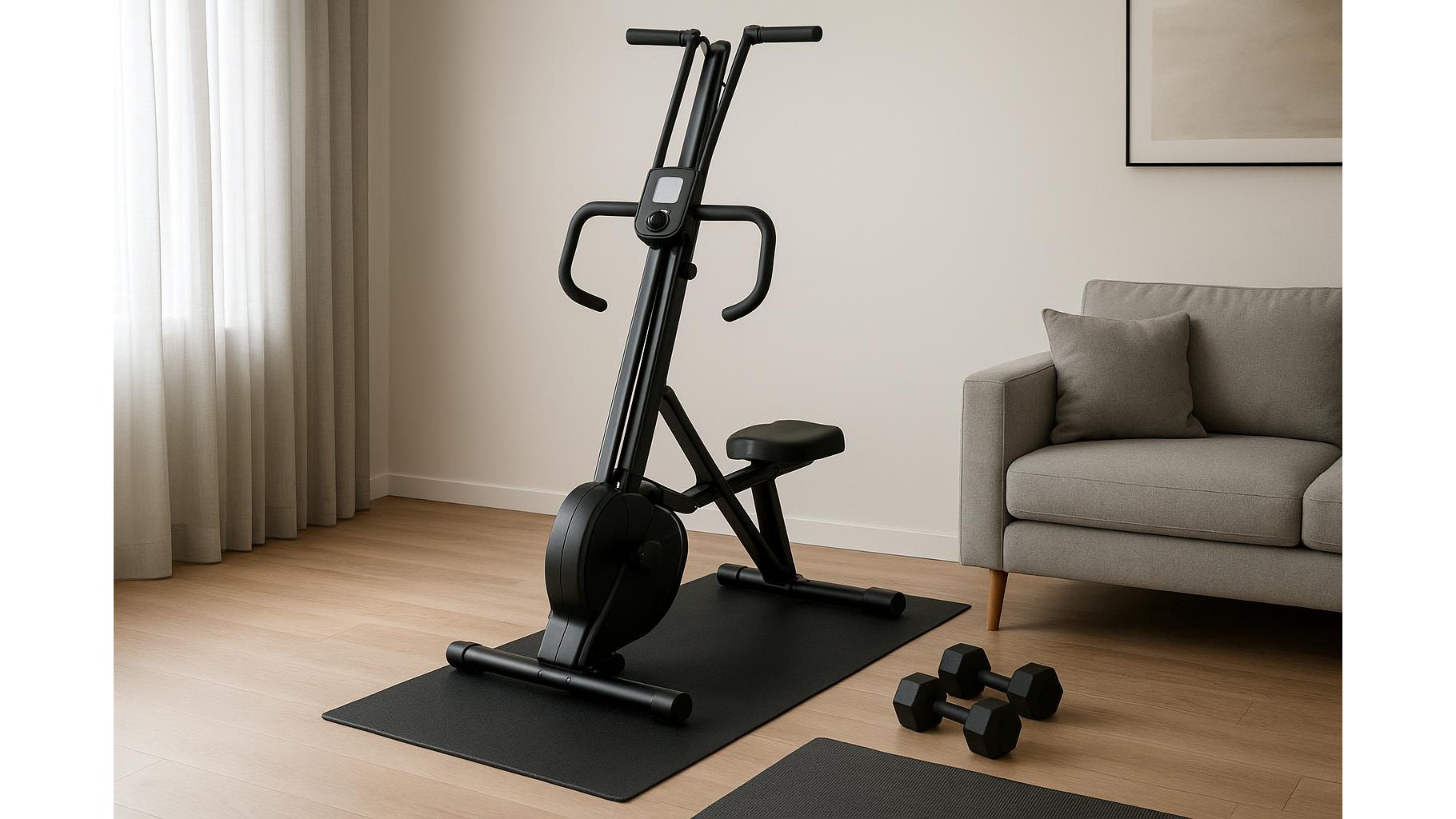
Creating a home gym in a small space usually means choosing between a rower, a stepper or a climber. Emerging hybrid climber-rower machines promise to solve this trade-off by combining vertical stepping and rowing-style pulling into a single footprint. While specific hybrid models are still niche on the UK market, understanding how these all‑in‑one cardio stations work helps you compare them with classic rowing machines, steppers, and compact ellipticals, and decide whether it makes sense to wait for a true hybrid or to build a smart two‑machine setup instead.
How hybrid climber-rower movement patterns work
At the core of an all‑in‑one cardio station is the way it blends climbing and rowing patterns. A climber uses a mostly vertical, reciprocal motion where the legs drive against pedals and the upper body assists through handles, mimicking stair or ladder climbing. A rower, by contrast, is a horizontal pull where your legs initiate the drive, your hips and core transfer power, and your arms finish the stroke. A hybrid climber-rower aims to fuse these into a single chain: as you push down with one leg and pull with the opposite arm, you get a full‑body, cross‑pattern action that challenges cardio capacity, posterior chain strength and core stability in one motion. This makes it particularly attractive for time‑pressed users who want both strength‑biased and endurance‑biased training from one station.
Resistance types and what they mean for your workout
Most current climbers and rowers rely on either magnetic resistance, air resistance or a combination of both. In a hybrid design you would typically see magnetic resistance for smooth, quiet operation in flats, possibly blended with air for progressive loading at higher speeds. Magnetic systems keep intensity consistent across the stroke and are ideal for steady‑state cardio and interval training in shared spaces because they are very quiet. Air systems respond more dynamically to how hard you work, which suits HIIT and power intervals but adds noise. As you compare future hybrid climber‑rower options to standalone models, focus less on headline resistance numbers and more on whether the system delivers enough low‑end load for strength endurance and high‑end load for sprints at your preferred cadence.
Space requirements and small home gym layout
For small apartments, the biggest advantage of a true all‑in‑one cardio station would be footprint. A typical rower is long and low, demanding floor area but little ceiling height; many can store vertically. A climber flips that equation: small floor footprint but significant ceiling clearance and a stable wall area. A hybrid climber‑rower attempts to compress both patterns into one vertical frame with integrated rails or linkages, reducing the number of machines on the floor. When planning your home gym layout, measure ceiling height carefully (especially under sloping roofs), leave at least a forearm’s length of clearance behind the machine for safe mounting, and consider vibration transmission if you live above neighbours. Even if you ultimately pair a compact rower with a compact stepper instead of a single hybrid, the same planning principles apply.
Who hybrid climber-rower machines are best suited for
Because they blend upper‑ and lower‑body work, hybrid cardio stations are best for users who value training efficiency and whole‑body conditioning over sport‑specific rowing or running technique. Busy professionals, parents training during nap times, and anyone building a multifunctional home gym in a spare room stand to benefit most. The climbing element emphasises glutes and quads, while the rowing element hits lats, mid‑back and grip strength, making hybrids a solid choice for fat loss and general conditioning. They can also be joint‑friendly compared with treadmills, thanks to their low‑impact guided paths. However, those training for on‑water rowing, competitive CrossFit or running performance may still prefer dedicated machines that replicate their sport’s mechanics more precisely.
Comparing hybrids with single-purpose cardio devices
When evaluating whether to wait for or invest in a hybrid climber-rower over conventional devices, break the decision into four criteria: movement quality, intensity range, space efficiency and long‑term motivation. Ask whether the machine lets you move naturally through full ranges of motion without excessive knee or lower‑back stress. Check the resistance spectrum: can it deliver light recovery work, steady aerobic sessions and challenging intervals? Consider setup time and adjustability if multiple household members will use it. Finally, think about enjoyment: you are more likely to stick to a cardio habit on a device that feels engaging and varied. Some users may find that a quality rower plus a short‑step climber, carefully chosen to fit a corner, still beats a compromised hybrid from a training and durability standpoint.
Building a future-proof small home gym
Even as true hybrid climber‑rower machines remain relatively rare on the UK market, the concept highlights what matters most in a small home gym: versatile movement patterns, efficient use of space and a machine you want to use consistently. By analysing how climbing and rowing complement each other, you can make smarter choices with today’s equipment—whether that means investing in a compact rower, a vertical climber, or watching the market for the first robust all‑in‑one cardio station that fits your budget. Prioritise ergonomics, resistance quality and storage options, and you will end up with a cardio setup that supports your goals even if your available square metres never increase.