When you train in a home gym, details like compression shorts can make the difference between a smooth session and one ruined by chafing or constant readjusting. The right pair can improve comfort, support and focus during lifting, HIIT and indoor cycling. The wrong fit can feel restrictive, overheat you or simply be annoying. This guide explains how tight compression shorts should be, which fabrics to look for, and when compression is truly beneficial rather than just hype, with real product examples you can use at home.
How tight should compression shorts be?
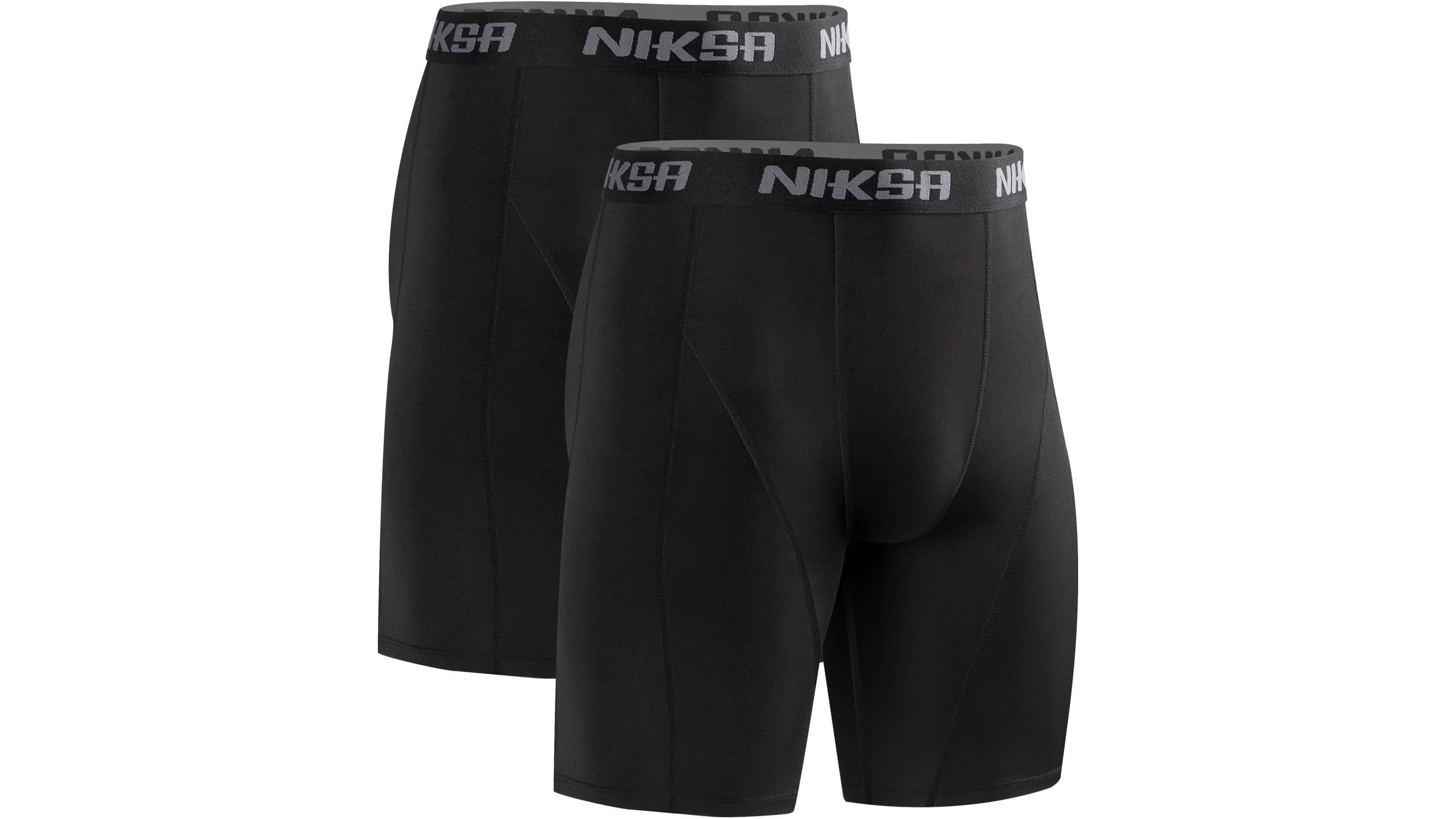
Properly fitted compression shorts for home workouts should feel like a second skin: snug but not painful, supportive without cutting off circulation. You want light to moderate pressure around the thighs and glutes, with no gaping fabric when you squat or lunge. If you see bulging over the waistband or the hem leaves deep marks, they are too tight. A good reference is the Niksa Compression Shorts Men, 2 Packs Anti Chafing Underwear Base Layer Shorts Quick-Drying Fabric Undershorts for Cycling Gym Running Sports Workout, which users praise for a comfortable, elastic waistband and secure leg fit that stays in place during movement. For most people, choosing your usual underwear size works best; go up one size only if you are between sizes or prefer a slightly less compressive feel for long sessions.
Best fabrics for lifting, HIIT and cycling at home
For intense home workouts, fabric choice is as important as fit. Look for blends of polyester and spandex (or elastane) that offer 4-way stretch, moisture-wicking and quick drying. For example, the Runhit 2 Pack Mens Compression Shorts with Pocket, Spandex Athletic Workout Shorts, Performance Underwear for Running use a spandex-rich construction that keeps its shape while allowing deep squats and explosive jumps. For women, the Moozava 3″ Womens Spandex Volleyball Shorts 3 Pack Athletic Compression Shorts for Running Gym Workout Yoga Cheer Dance combine 82% polyester and 18% spandex for a soft, breathable feel that still delivers gentle compression. Avoid heavy cotton blends for HIIT or indoor cycling because they trap sweat, increasing the risk of chafing and overheating.
Chafing prevention and all-session comfort
One of the biggest reasons to wear compression shorts at home is to prevent chafing, especially on longer rides or extended strength blocks. A snug, seamless fit minimizes friction where your thighs touch or where seams would normally rub. Models like the Niksa Compression Shorts Men, 2 Packs Anti Chafing Underwear Base Layer Shorts Quick-Drying Fabric Undershorts for Cycling Gym Running Sports Workout are specifically marketed as anti-chafing, and user reviews highlight their ability to keep the legs “snug” with a waistband that stays comfortable over time. For women, the gusseted crotch and no-roll hem design in the Moozava 3″ Womens Spandex Volleyball Shorts 3 Pack Athletic Compression Shorts for Running Gym Workout Yoga Cheer Dance reduce inner-thigh friction and help prevent riding up during dynamic moves, which is ideal for circuits and dance-inspired workouts.
Thermoregulation: staying cool in a home gym
In a typical home gym without perfect air conditioning, thermoregulation matters. Thin, breathable compression fabrics help wick sweat and move heat away from the body, reducing perceived effort and keeping you focused. Look for descriptions that mention moisture-wicking, breathable or quick-drying. The Moozava shorts, for instance, use high-density but lightweight fabric that stays opaque while still feeling airy, making them suitable for everything from hot yoga to intense HIIT. Meanwhile, the Women’s Active Shorts Fitness Sports Yoga Booty Shorts for Running Gym Workout are popular for their soft, comfortable material that does not feel heavy even in longer sessions. If your training room runs hot, prioritize lighter fabrics and shorter inseams; if it runs cool, slightly thicker material can add comfort without sacrificing movement.
When compression really helps vs when it is just annoying
Compression gear can provide benefits, but only in the right context. Research suggests that light to moderate compression may help with perceived muscle stability, reduce muscle oscillation in activities like running or jumping, and support quicker recovery after hard efforts. In a home gym, this is most useful for HIIT circuits, plyometric work and longer indoor cycling sessions where repetitive movement increases fatigue and friction. For heavy lifting windows under an hour, the main advantages are support and reduced chafing rather than big performance boosts. Compression becomes annoying when it is too tight, overheats you or restricts range of motion. If you constantly adjust your shorts, feel tingling or numbness, or struggle to hit deep squats, the compression level is wrong. Products like the Niksa and Runhit shorts show that you can get effective, comfortable compression without going extreme; user feedback consistently notes comfort and freedom of movement as key strengths.
Choosing the right compression shorts for home workouts is about smart trade-offs: snug but not suffocating, supportive yet flexible, breathable while still providing coverage. For men, options like the Niksa Compression Shorts Men, 2 Packs Anti Chafing Underwear Base Layer Shorts Quick-Drying Fabric Undershorts for Cycling Gym Running Sports Workout and the Runhit 2 Pack Mens Compression Shorts with Pocket, Spandex Athletic Workout Shorts, Performance Underwear for Running offer accessible, versatile solutions. For women, the Moozava 3″ Womens Spandex Volleyball Shorts 3 Pack Athletic Compression Shorts for Running Gym Workout Yoga Cheer Dance and the Women’s Active Shorts Fitness Sports Yoga Booty Shorts for Running Gym Workout balance compression, coverage and style. Focus on fit, fabric and comfort, and you will get real benefits—less chafing, better focus and more enjoyable sessions—without the downsides of overly aggressive compression.