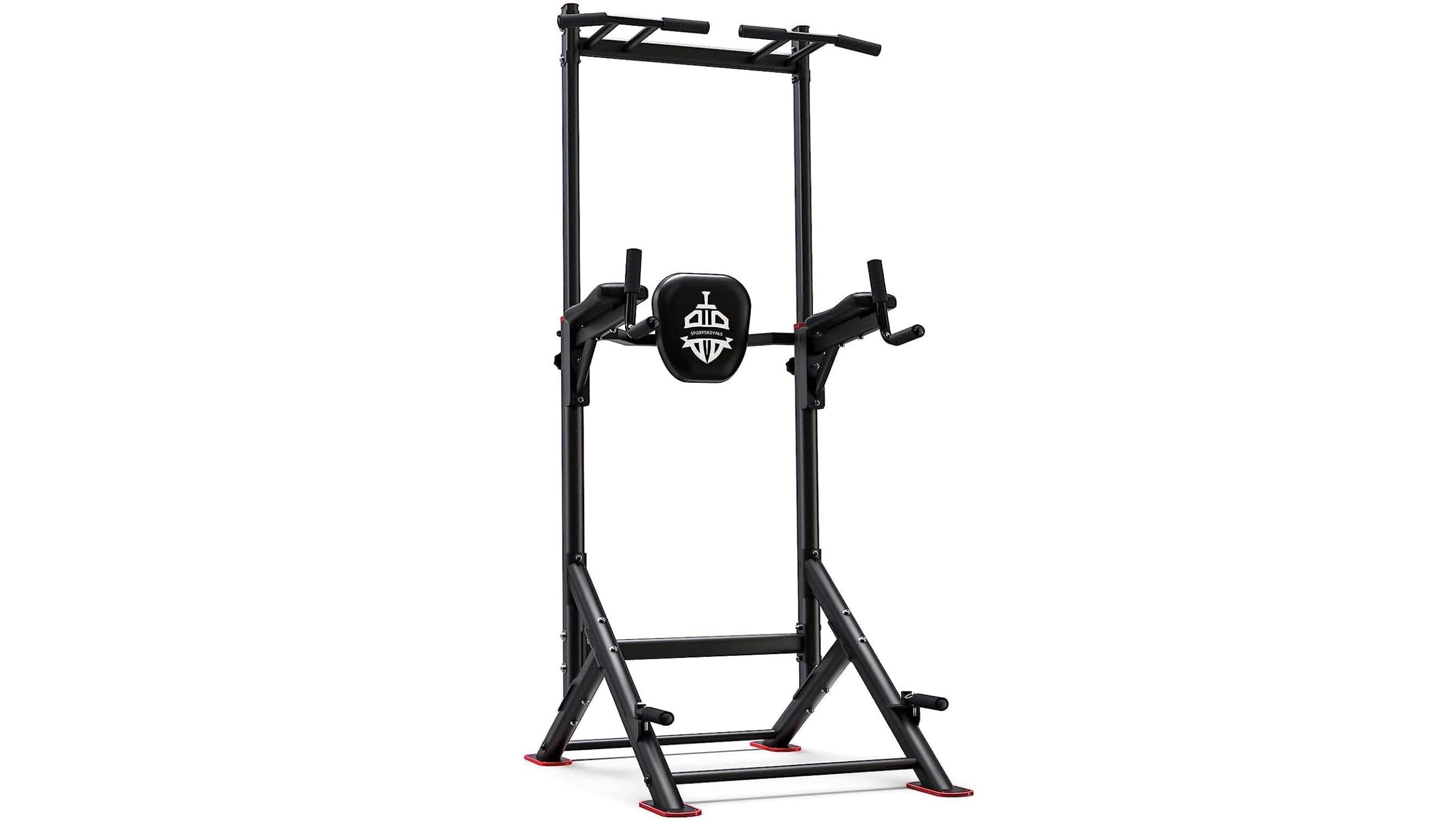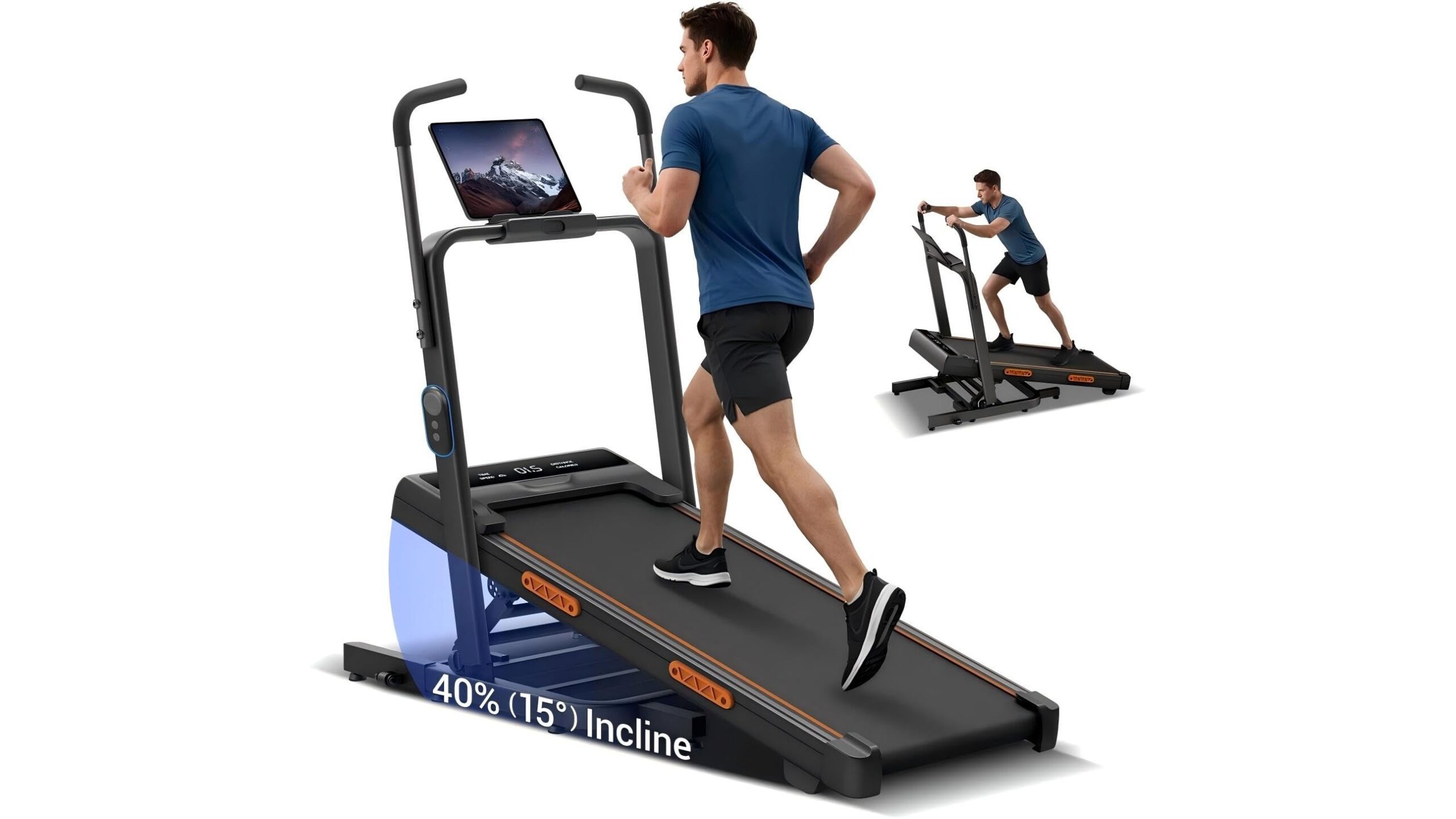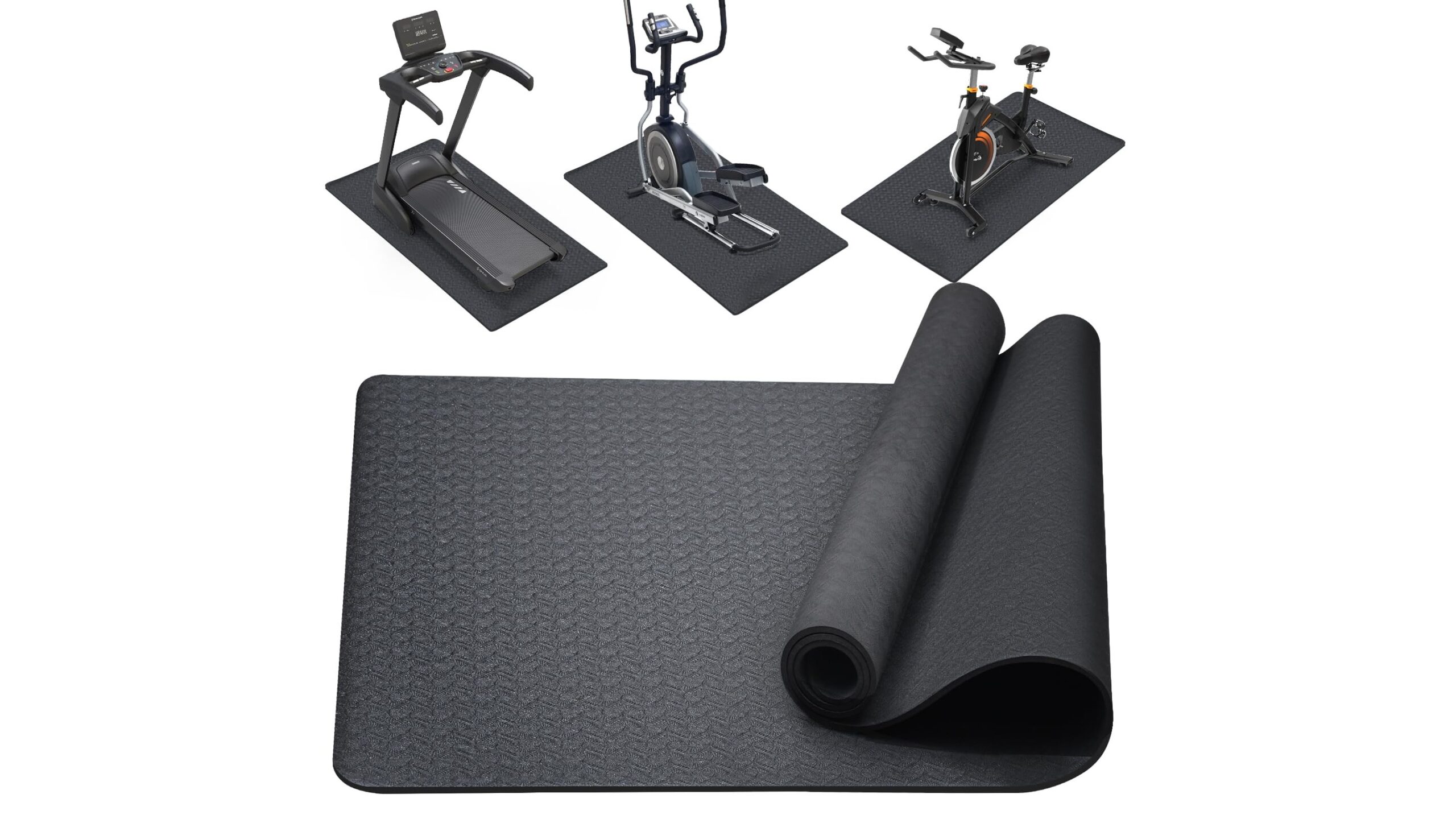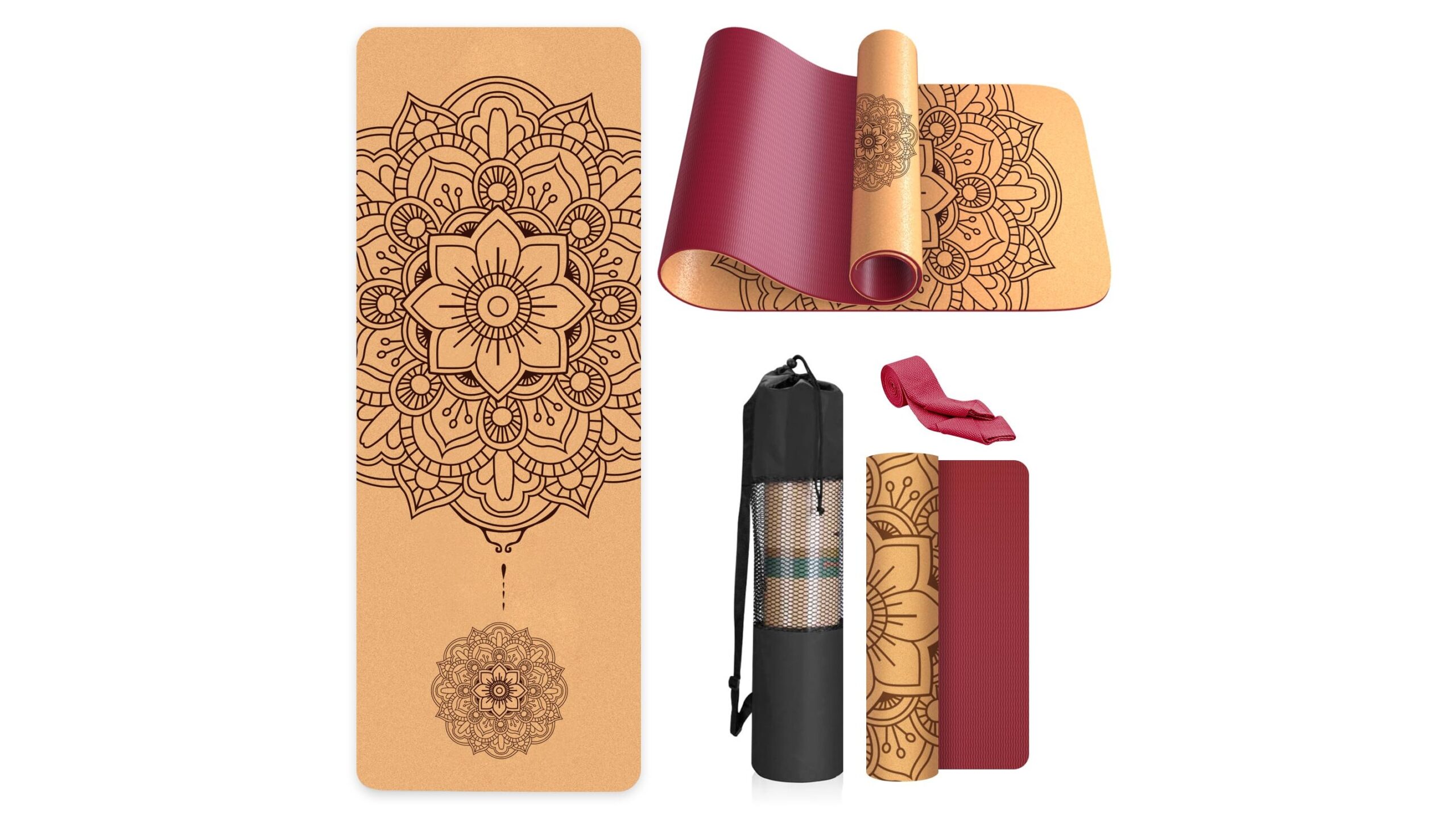
Building a home gym is exciting, but choosing your first home gym tower or functional trainer can feel overwhelming, especially when you do not have much room to spare. The right machine should fit your available space, match your training goals, and offer good value for money. Below, we walk through how to analyse your room, compare features and attachments, and stay safe while getting the most from a compact, space‑saving setup.
Table of contents
Measure your space and plan the layout
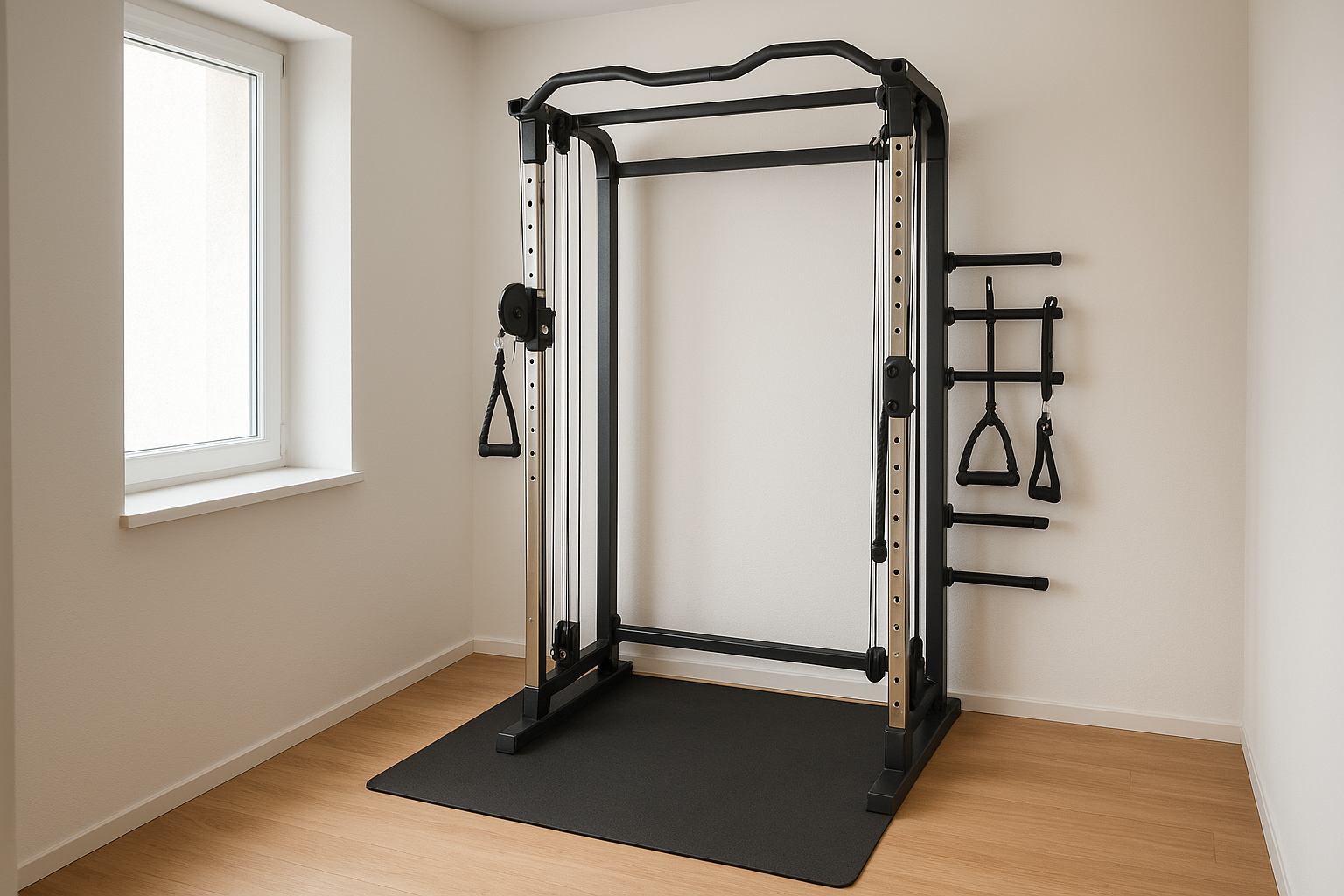
Before looking at products, grab a tape measure. Note the floor area you can dedicate to a machine and, crucially, the ceiling height. Many home gym towers are 200 cm+ tall, and you need extra clearance for pull‑ups. Leave enough space in front and to the sides to move freely and to load weights safely. Think about doors, windows, radiators and sockets that might block positioning. If you train in a small room or corner, prioritise a compact footprint and a design that sits flat against a wall rather than taking up the centre of the room. Also consider noise and vibration if you live in a flat: a solid frame and stable base reduce rattling.
Choose between weight stacks, plates and bodyweight
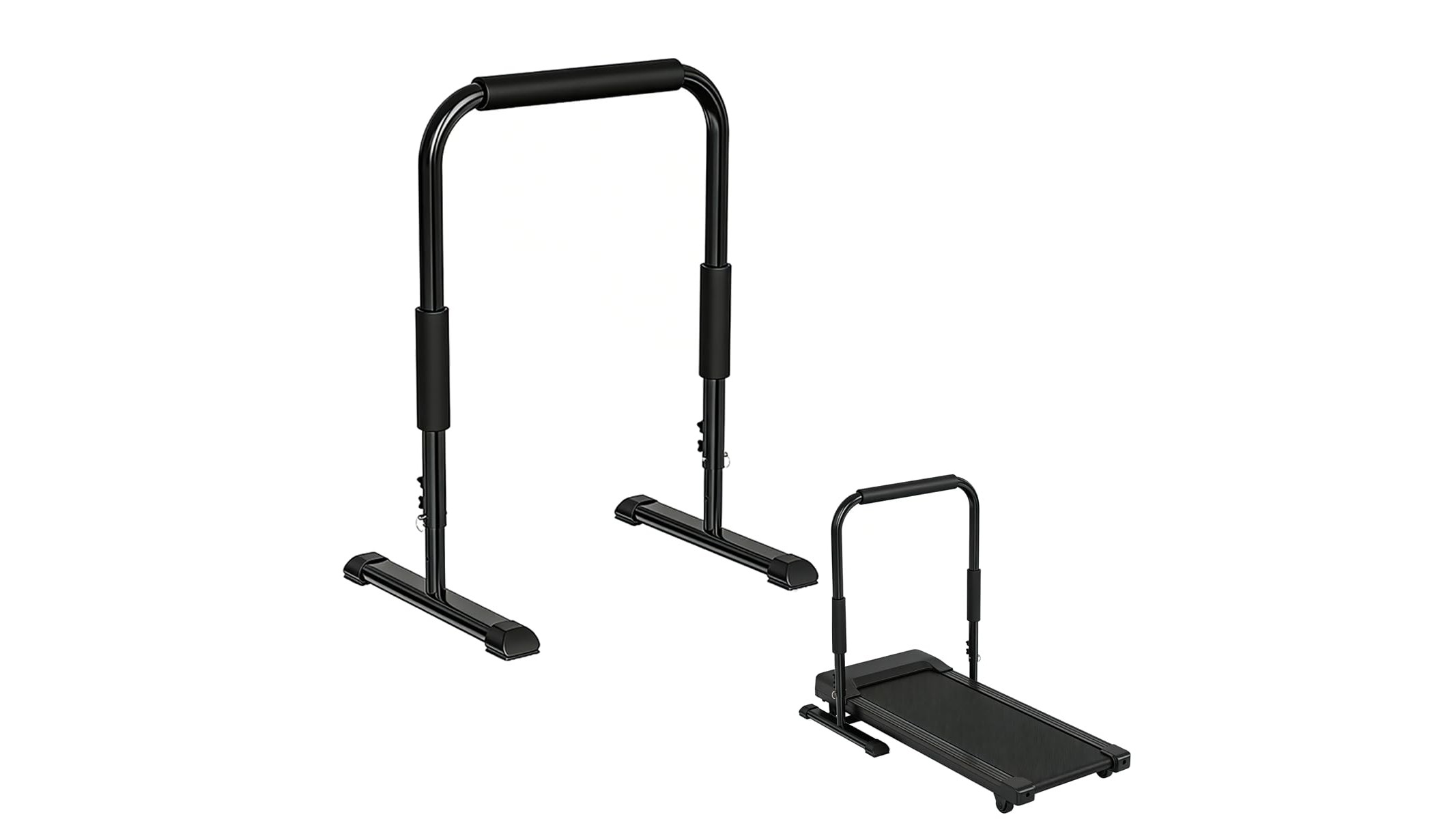
Home gym towers and functional trainers typically fall into three categories: weight‑stack machines, plate‑loaded towers, and bodyweight multi‑gyms. Stack systems are very convenient and quick to adjust, with guided movement that suits beginners, but the stack weight is fixed. Plate‑loaded trainers give more room to grow because you can add Olympic plates you may already own, though they need storage space for discs. Bodyweight towers, like pull‑up and dip stations, are usually the most space‑efficient and budget‑friendly, but offer less resistance variety unless you add bands. Decide how strong you are now, how strong you want to be, and whether you prefer guided paths or more functional, cable‑based training.
Prioritise essential exercises and attachments
To avoid wasting money and space, list the key exercises you care about: for example, lat pulldown, low row, chest press, leg extension, cable flyes or woodchoppers. A compact functional trainer with dual adjustable pulleys usually offers the widest variety of movement in a small footprint. Look for high‑ and low‑pulley options, adjustable cable height and basic handles. Useful must‑have attachments include: a lat bar, short straight bar, ankle strap and triceps rope. Extras like ab straps or multi‑grip pull‑up bars add value but are not essential. Ensure the machine has clear load ratings so you know how much you can safely pull on the cables or tower.
Safety, stability and build quality in a small room
In a tight space, safety and stability are non‑negotiable. Look for a heavy‑duty frame with thick steel uprights, wide feet and anti‑slip pads. If the manufacturer recommends bolting the tower to the floor or wall, follow those instructions, especially if you plan explosive pull‑ups or heavy rows. Smooth pulley systems, secure locking pins and covered cables reduce the risk of injury. Check maximum user weight for pull‑up bars on taller towers. If you train alone, consider machines with built‑in safety catches or guided paths that make it harder to drop a load. Good build quality may cost more up front, but it protects you and your home.
Budget, value and room to progress
When you are new to home gym equipment, it is tempting to buy the cheapest tower that fits your space. Instead, think in terms of value over time. A slightly more expensive, compact functional trainer with better adjustability and higher load capacity may last years longer and grow with your strength. Factor in the cost of extra plates, bands or attachments you might need. Also look at warranty length and availability of spare parts. If your room is very small, a simpler bodyweight tower plus a set of resistance bands can be a smart first step, leaving you room (and budget) to upgrade later without overcrowding your training area.
Making a smart, space‑saving first choice
Choosing your first home gym tower or functional trainer without wasting space comes down to planning and honest self‑assessment. Measure your room, decide which exercises matter most, and select a compact system that balances convenience, adjustability and safety. Prioritise a stable frame, smooth cables and a few essential attachments over flashy extras you will rarely use. With a thoughtful choice today, you will build a versatile, efficient home gym that fits your space, supports your goals and leaves you excited to train consistently.