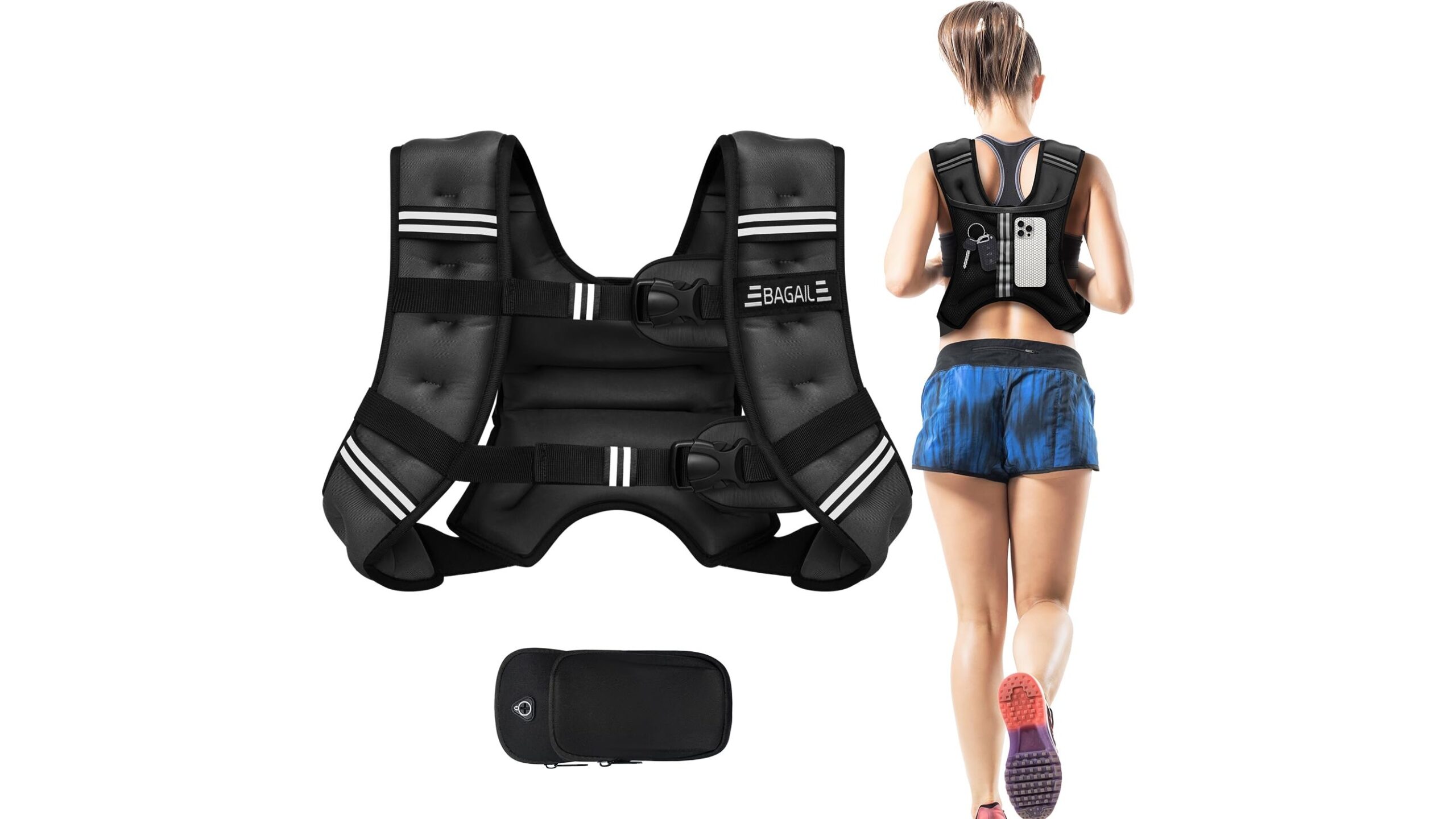
A weighted vest is one of the most efficient ways to add progressive overload to your home workouts without buying more machines or heavier dumbbells. By simply adding load to your body, you can turn walking, push-ups, squats or pull-ups into serious strength and conditioning work, all while keeping your footprint small and your budget under control. Choosing the right vest, however, is crucial for comfort, safety and long‑term progress.
Why a weighted vest belongs in every home gym
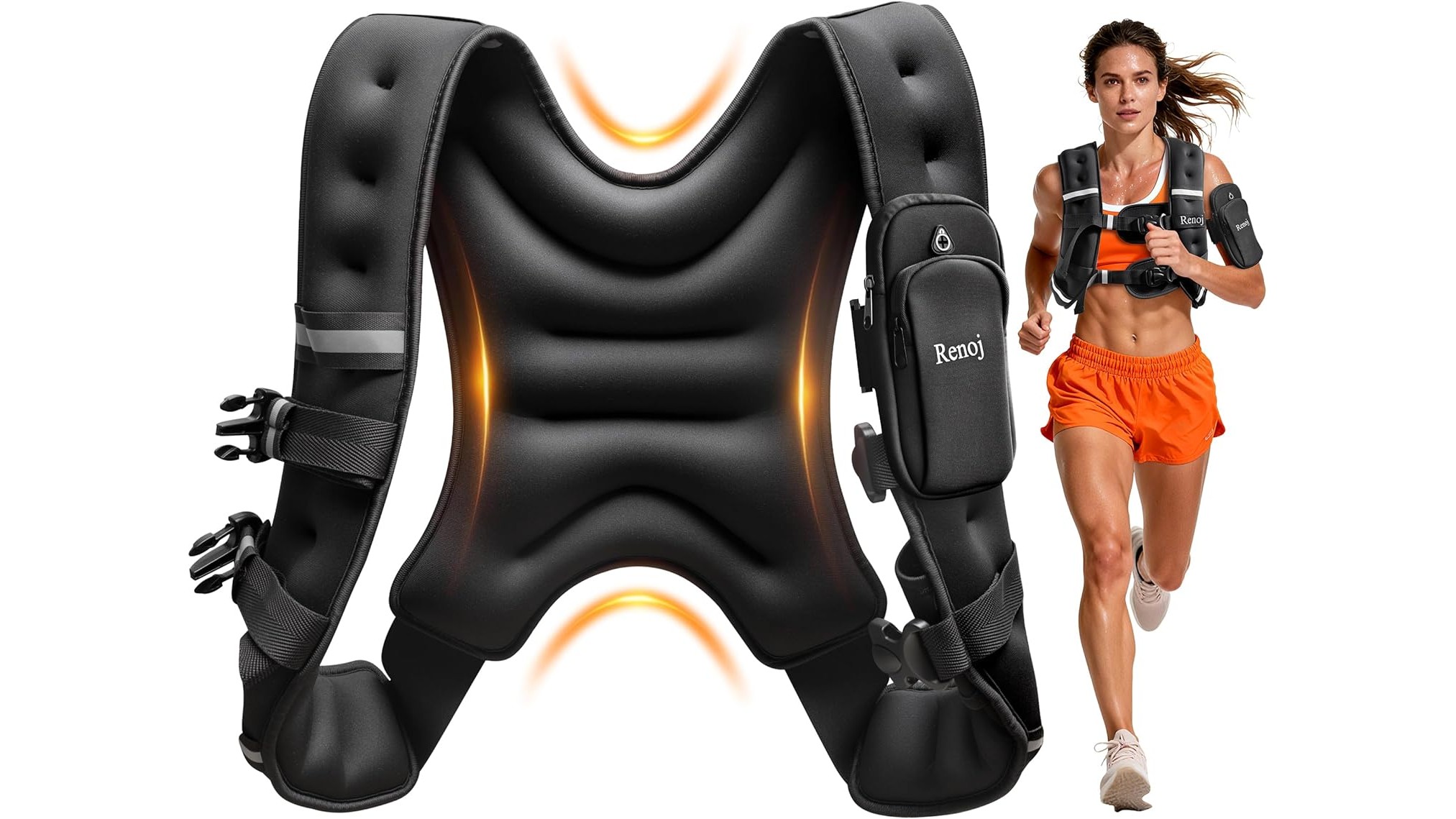
A good weighted vest effectively acts as a portable loading system. Instead of upgrading to a larger power rack or a full set of dumbbells, you can wear a vest to increase the difficulty of bodyweight exercises or to make light weights feel heavy again. This is especially valuable in small home gyms, where space is limited. A model like the Renoj Weighted Vest for Women Men offers fixed loads from 6 lb up to 20 lb in a compact design, so you can add intensity to walking, running, Pilates or strength drills without cluttering your floor with plates. Because the weight is centred on your torso, it also tends to feel more natural and joint‑friendly than holding heavy dumbbells at your sides for long periods.
Choosing beginner vs intermediate weight ranges
To use a weighted vest safely, you need to pick the right starting load. For most beginners, 5–10% of bodyweight is enough to create a training effect without overloading joints. That means a 6–10 lb vest is ideal for brisk walking, low‑impact cardio and easy strength moves. Products such as the Women's Weighted Vest 6/8/12/16/20/25/30 Pound are perfect here: you can select a fixed weight (for example 6 or 8 lb) and then upgrade to heavier versions as you get stronger. Intermediate users who already train regularly can usually handle 10–15% of bodyweight; this is where heavier fixed vests like the 16–20 lb Renoj options or adjustable systems become useful for hill walking, rucking and harder bodyweight sessions.
Fit, comfort and adjustability features to look for
A quality vest should fit like a snug backpack that does not bounce, twist or choke when you move. Look for ergonomic shaping, soft shoulder padding and adjustable closures. The Renoj vest uses breathable neoprene, double stitching and a simple clip system to keep the load stable during running or jumping, while reflective strips add safety for low‑light outdoor sessions. The KUKZO model for women is designed with balanced weight distribution, wide shoulder pads and an enlarged cut that sits above the hips, which helps it feel secure on different body shapes. If you plan to progress your training aggressively, an adjustable design such as the ONETWOFIT Adjustable Weighted Vest Men 20KG allows you to add or remove cast‑iron blocks, while its ultra‑thick padding and 1000D nylon keep it comfortable and durable for heavy use.
Fixed vs adjustable vests for progressive overload
Both fixed‑weight and adjustable weighted vests have pros and cons for home gym owners. Fixed vests like the Renoj or KUKZO are simple: you pick a weight, put it on, and train—there are no plates to handle, and the profile stays slim, which is ideal for cardio, classes and hiking. The downside is that you may outgrow a single weight, which can mean buying a second vest later. Adjustable options such as the ONETWOFIT 20 kg system let you micro‑progress by adding individual iron blocks, making them perfect for structured strength work and rucking, where you might increase load every few weeks. However, these tend to be bulkier and best suited to users who already have basic strength and good joint health. For a first vest, most people do well starting with a comfortable fixed model in a conservative weight, then upgrading to an adjustable system once they know they enjoy the style of training.
Example exercises and safety tips to get started
To integrate a vest into your home workout routine, begin with familiar movements and modest loads. For beginners, start with 10–20 minutes of weighted walking on flat ground, then progress to stairs or inclines. In your strength sessions, try air squats, glute bridges, step‑ups, wall sits, incline push‑ups and rows with a suspension trainer or sturdy table. Keep the reps controlled and stop well before form breaks down. Intermediate users can move on to lunges, Bulgarian split squats, full push‑ups and pull‑ups. No matter your level, increase volume or weight gradually—do not jump from a 6 lb vest straight to a heavy 20 kg model. Watch for joint discomfort in knees, hips and lower back; if you feel pain, reduce the weight or switch to lower‑impact variations. Combined with good technique and a focus on slow progressive overload, a well‑chosen weighted vest can safely replace multiple machines and become a cornerstone of your home gym.
In summary, a weighted vest is a compact, versatile way to keep progressing in a home gym, whether your goal is strength, conditioning or fat loss. By selecting an appropriate weight range for your level, prioritising secure fit and comfort, and choosing between fixed and adjustable designs that match your training style, you can turn everyday movements into effective resistance exercises. Start light, move well, and let the vest grow with your fitness—your joints, schedule and limited floor space will all benefit.