
Setting up a home rower is not just about resistance levels and workout apps. The real difference between a machine you actually use and one that gathers dust is rowing machine ergonomics. Details like seat padding, rail height, handle shape and footplate angle all influence comfort, joint stress and how efficiently you can transfer power on every stroke.
Choosing an ergonomic home rowing machine base
If you are buying a full machine, look for a stable frame, a smooth rail and components clearly designed with joint-friendly rowing in mind. A good example is the Rowing Machine, DMASUN Upgrade Magnetic Rowing Machines for Home Gym. Its double slide rail design increases stability and reduces wobble, which helps your lower back and hips stay aligned through each drive. The near-silent magnetic resistance also lets you focus on clean technique instead of fighting jerky motion. Oversized non-slip pedals and a padded seat support a wide range of users, while the 16 resistance levels mean you can maintain a comfortable, sustainable stroke rate without overloading your joints.
Seat height and padding: protect your hips and tailbone
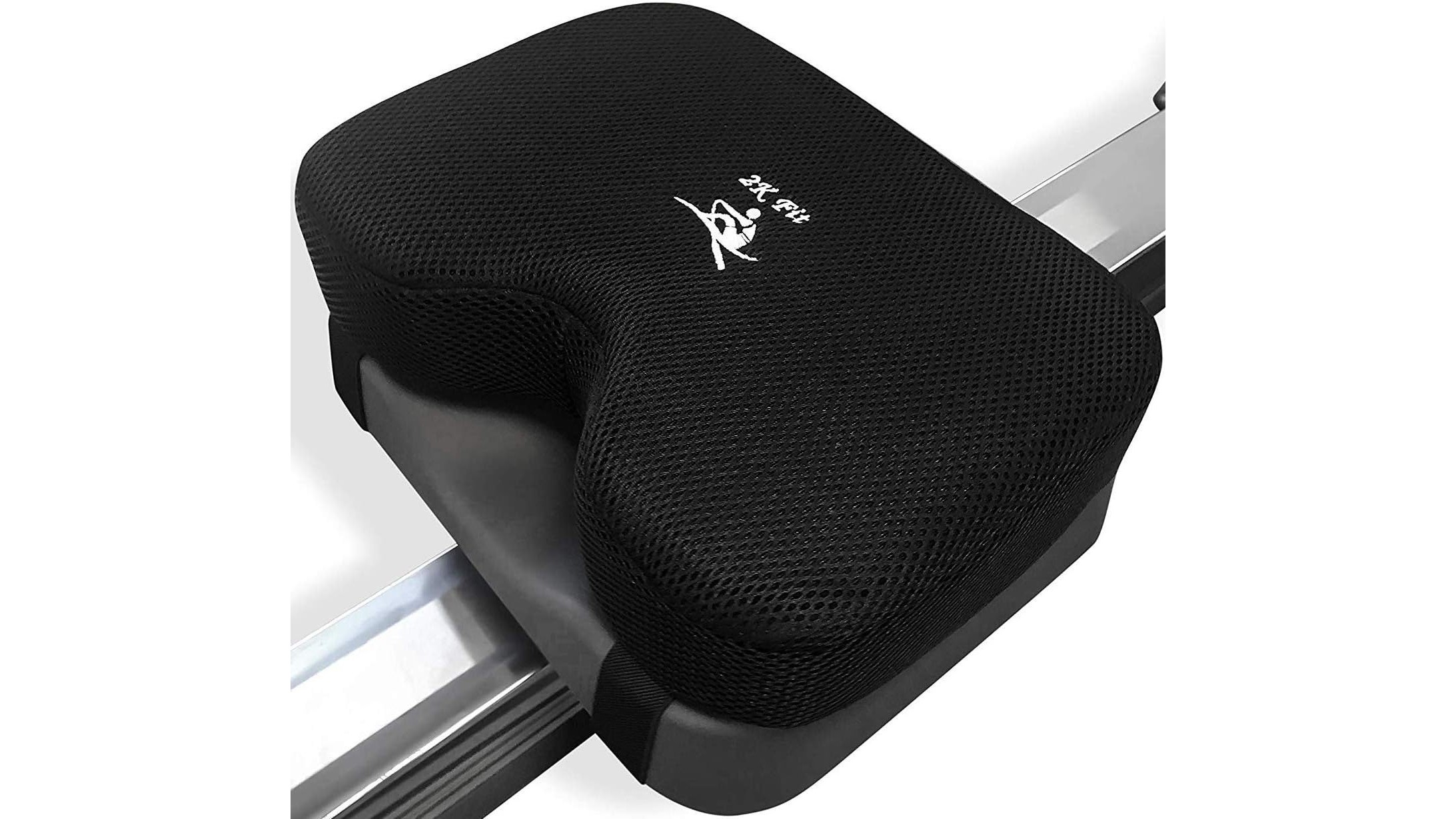
A poorly designed rowing machine seat often causes tailbone soreness and hip tightness, especially during longer sessions. The goal is to sit high enough to stand up easily, yet low enough to keep a strong, stacked posture. If your existing erg seat feels too hard, a dedicated cushion can transform your comfort. The Rowing Machine Seat Cushion (Model 2) for The Concept 2 Rowing Machine uses 3 cm of custom memory foam and a non-slip base with straps, so it stays in place even during powerful intervals. This kind of pad spreads pressure, reduces tailbone pain and lets beginners and experienced rowers maintain longer, technically clean workouts at home.
Seat surface grip: avoid sliding, maintain posture
Beyond height and softness, the seat’s surface texture is crucial to ergonomic rowing. If you slide around with every stroke, your core must work harder just to stabilise, and your lower back can quickly complain. A product like the Silicone Rowing Machine Seat Cover Compatible with Concept 2 Rowing Machine focuses less on plush padding and more on grip and stability. The 100% silicone shell fits snugly over standard erg seats, providing a grippy, durable surface that keeps your pelvis anchored. That fixed base helps you hinge cleanly from the hips, maintain a neutral spine and drive through the legs, rather than compensating with the lower back or shoulders.
Handle shape and wrist-friendly grip
The rowing handle is another often-overlooked ergonomic detail. A handle that is too narrow, too thick or aggressively curved can strain your wrists, elbows and forearms. When assessing a home machine, look for a slightly contoured, medium-diameter handle that allows a neutral, relaxed grip with the wrists in line with the forearms. Your fingers should wrap comfortably without over-gripping or curling the wrists. If your existing handle feels harsh, adding a padded grip or a cable attachment with a more ergonomic bar can help. Keep your grip light, thumbs loosely around the handle, and focus on pulling from the lats and upper back rather than clenching your forearms to make every stroke smoother and more sustainable.
Footplate angle, strap position and knee comfort
Foot setup heavily influences knee and ankle comfort. Ideally, your footplates should sit at an angle that lets you reach the catch without collapsing the heels or excessively lifting them. Adjust the plate height so the strap crosses over the widest part of your foot, usually around the ball. This keeps your feet secure without over-tightening, helping your shins stay vertical at the catch and protecting the knees. Many rowers find that a slightly more upright footplate angle encourages a powerful leg drive while reducing strain on the Achilles. Spend time experimenting with one notch higher or lower: the right setting will let you drive through the mid-foot, feel your glutes engage and keep your ankles and knees tracking smoothly through the stroke.
Dialling in rowing machine ergonomics at home is about refining the details: choosing a stable base, getting the right combination of seat height, padding and grip, setting your handle for neutral wrists and fine-tuning footplate angle for happy knees and ankles. Small upgrades such as the DMASUN magnetic rowing machine, a memory foam pad like the Rowing Machine Seat Cushion (Model 2) or a grippy silicone seat cover can dramatically improve comfort. When your setup supports good posture and smooth movement, you can row longer, protect your joints and actually enjoy every session in your home gym.









