When you train regularly in your home gym, having a drawer full of smart protein snacks can keep your nutrition on track between meals. But not every bar that shouts “high protein” is a good fit for your goals. Understanding protein quality, sugar and fibre content, sweeteners and when a bar actually makes sense compared to whole-food snacks will help you build a snack drawer that supports both performance and health.
How to read protein bar labels like an athlete
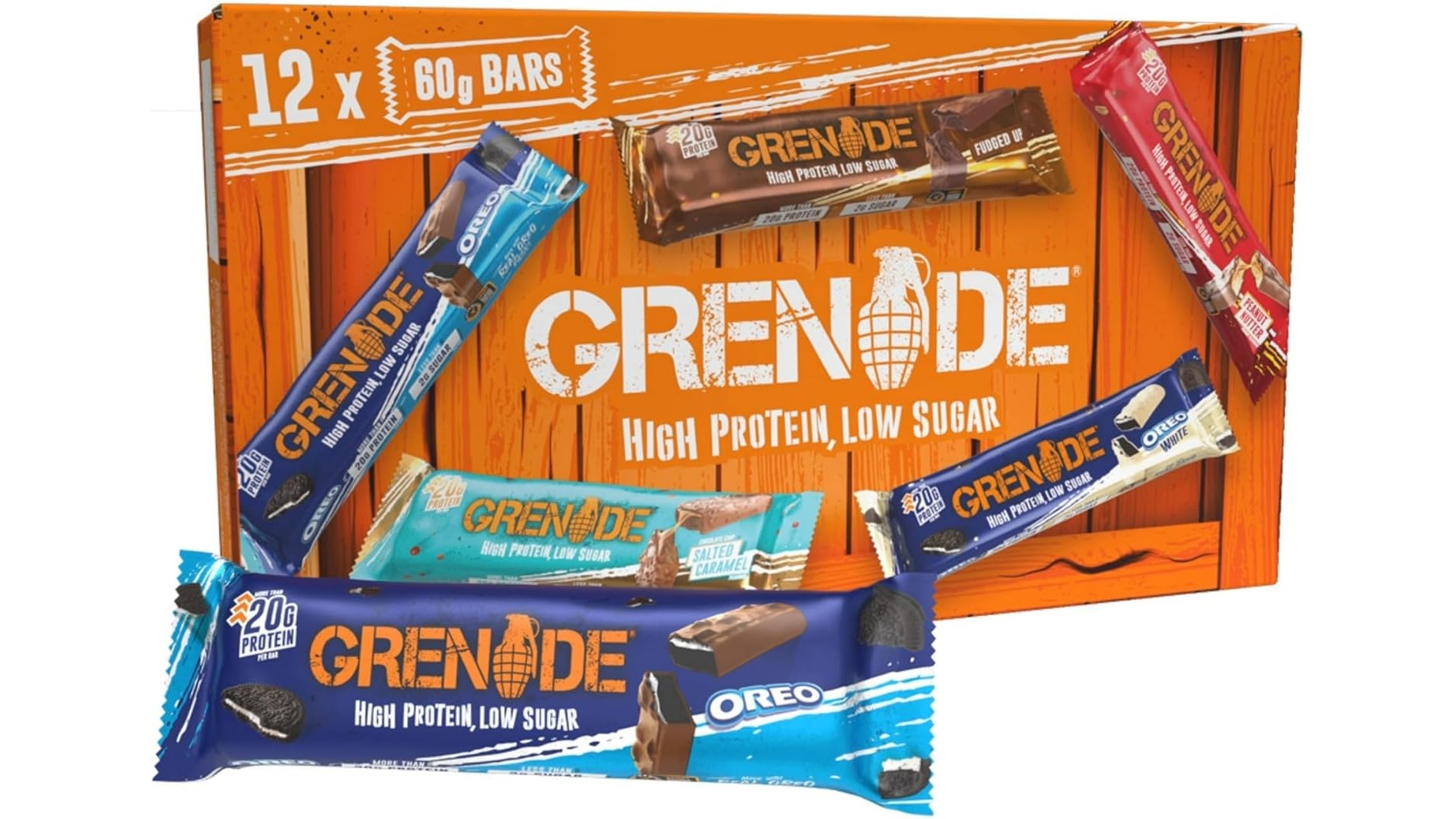
The first checkpoint is the protein per bar: for most home athletes, 15–25 g per serving is a solid target to support muscle repair. Look at the source: whey protein isolate, whey concentrate and casein offer a complete amino acid profile and good digestibility. For example, the Grenade Selection Box – High Protein, Low Sugar Bars provides around 20–23 g of protein per 60 g bar from a blend of whey protein isolate, caseinate and concentrate, which is ideal after a heavy lifting session. Avoid bars where protein is mostly from cheap fillers like collagen alone (fine as an extra, not as the main source) and be wary of products that call themselves “protein bars” but deliver under 10 g of protein per serving.
Managing sugar, fibre and hidden calories
A smart home-gym snack drawer prioritises low sugar, adequate fibre and realistic calories. A good benchmark is under 5 g of sugar per bar. The FULFIL Vitamin and Protein Bars – Chocolate Salted Caramel stay under 3 g of sugar with about 204 kcal, making them a reasonable option when you need something sweet but controlled. Check the ingredient list for dietary fibre sources such as polydextrose or prebiotic fibres: these support satiety but, in excess, can cause bloating. Also scan the calorie line – some bars push 250–280 kcal with layers of chocolate and caramel; those can fit a bulking phase, but for fat loss you might prefer 180–210 kcal and pair the bar with a piece of fruit for extra volume.
Artificial sweeteners, sugar alcohols and your gut
Most low sugar protein bars rely on sugar alcohols (like maltitol) and intense sweeteners (such as sucralose). These keep carbs and sugar low but can upset digestion in some people, especially if you eat several bars per day. Both the FULFIL and Grenade ranges use maltitol and warn that excessive intake may have a laxative effect. Variety packs such as the Grenade Selection Box – High Protein, Low Sugar Bars are great to test your personal tolerance without committing to a full box of a single flavour. If you have a sensitive gut, limit yourself to one bar per day, chew slowly, drink water, and rotate with whole-food snacks (Greek yogurt, nuts, boiled eggs) to give your digestion a break.
Ready-made bars vs DIY recipes for home athletes
Commercial bars are unbeatable for convenience and portion control, but DIY options can give you cleaner ingredient lists and better value. Brands like Barebells Protein Bars – Peanut Caramel deliver about 16 g protein per bar, no added sugar and no palm oil, with a texture very close to a classic chocolate bar – perfect for those evenings when cravings hit hard. For a DIY alternative, combine whey protein powder, fine oats, peanut butter, a little honey or dates, and dark chocolate chips; press into a tray and chill. You control the sweetness, fibre and fats, and you can cut portions to match your calorie targets. Use store-bought bars when you need grab-and-go reliability (travel, office, post-workout in a rush) and DIY batches when you have time at the weekend to prep.
Choosing the right bar for your training phase
Your ideal protein bar profile depends on whether you are in a muscle gain, performance or fat loss phase. During heavy strength cycles, higher-calorie bars like many flavours in the Grenade Selection Box (around 20 g protein with a more substantial carb and fat load) can double as a mini meal between sessions. For recomposition or fat loss, bars like FULFIL or Barebells keep sugar and calories lower while still offering at least 16–20 g of protein and a dessert-like taste that makes adherence easier. Always think of bars as supplements to a solid diet, not meal replacements: if you can choose between a quick bar and a plate of lean protein, whole grains and vegetables, the whole-food option usually wins for micronutrients and long-term health.
Practical guidelines for a smarter snack drawer
To build a home snack drawer that truly serves your training, set some simple rules. First, prioritise bars with 15–25 g protein, under 5 g sugar and an ingredient list you recognise. Second, cap yourself at one bar per day to avoid overdoing sweeteners and polyols. Third, stock two to three brands with different textures and flavours, such as the FULFIL Chocolate Salted Caramel, Barebells Peanut Caramel and a Grenade selection box, so you don’t get flavour fatigue and reach for junk. Finally, keep bars as your backup plan, not your default: lean meats, dairy, eggs, legumes, fruit and nuts should still anchor your nutrition. Used this way, protein bars become a strategic tool that fits smoothly into your home gym lifestyle.
In summary, protein bars at home can be an excellent ally if you know how to judge protein quality, sugar, fibre and sweeteners, and if you balance them with whole-food snacks and simple DIY recipes. Choose high-protein, low-sugar options that agree with your digestion, rotate a few trusted brands, and let your training phase guide how often you rely on them. With a bit of label literacy, your snack drawer will support your performance instead of working against it.