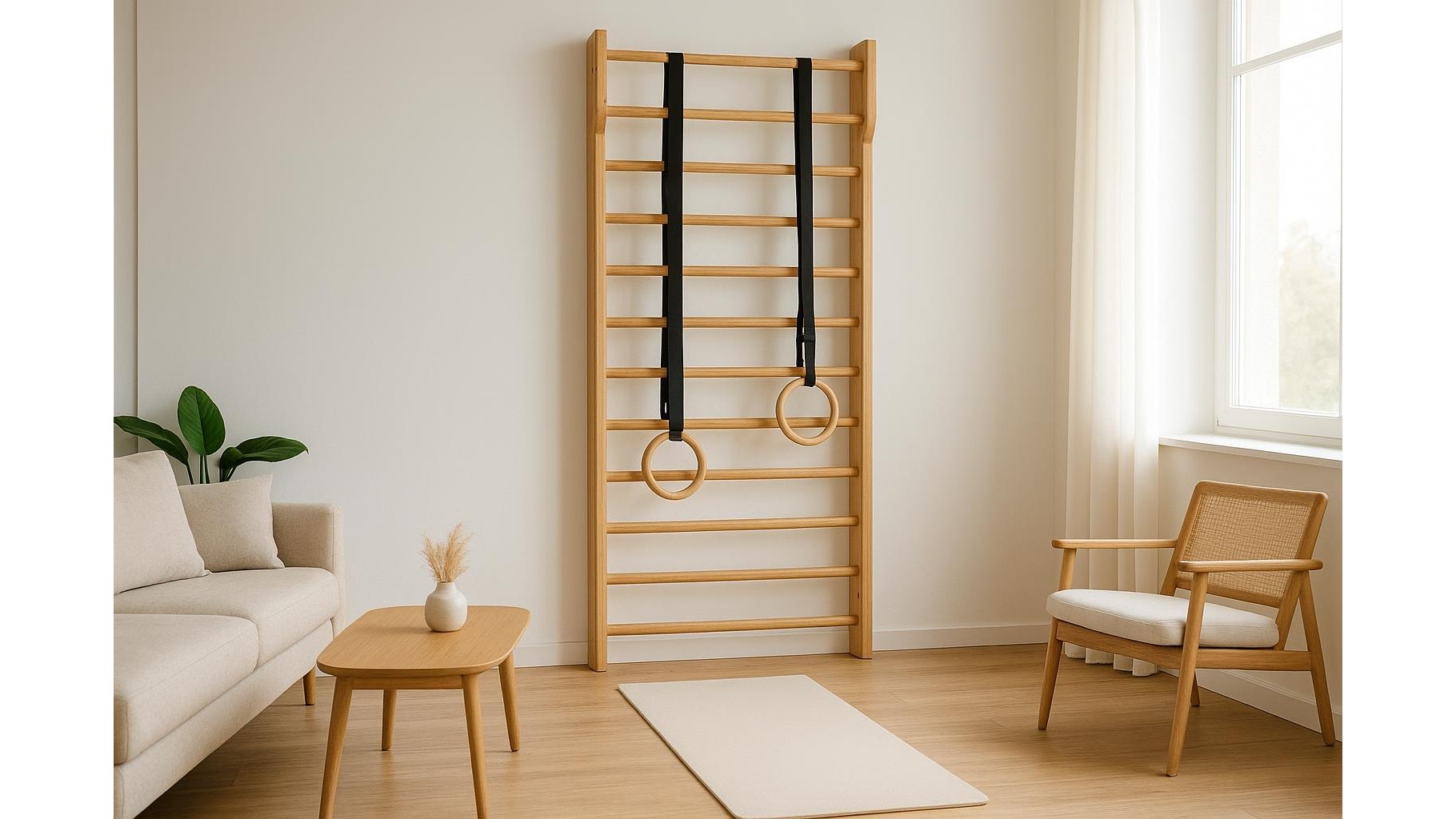
Scandinavian-style wooden wall bars are one of the most space-efficient ways to create a complete home gym station on a single wall. With a compact vertical footprint and warm natural wood aesthetics, they can double as a pull-up station, stretching ladder and anchor point for resistance bands and gymnastic rings. This guide explains what to look for in quality wall bars, how to match them to your space and training style, and how to install them safely so one vertical panel becomes a true multifunctional training hub.
Why choose Scandinavian-style wooden wall bars
Scandinavian-style wall bars are popular in modern home gyms because they combine minimalist design with high functionality. The natural wood finish blends easily into living rooms, bedrooms or offices, so your home gym equipment does not dominate the décor. At the same time, the evenly spaced rungs allow for mobility work, spinal decompression, core training and bodyweight strength exercises. Unlike a single pull-up bar, a wall bar ladder offers multiple grip heights for assisted squats, incline rows, and stretching. For anyone who needs a compact, elegant solution rather than a bulky power rack, Scandinavian wall bars provide an ideal balance between style and performance.
Key features and specifications to evaluate
When comparing different wooden wall bars, start with materials and load capacity. Look for solid wood such as beech, ash or oak, or robust laminated wood, and check the maximum user weight stated by the manufacturer. Strong mounting brackets and high-quality screws are essential to safely perform pull-ups, leg raises and dynamic exercises. Consider the overall height: taller frames (around 220–240 cm) give more workout options, but must fit under your ceiling with a margin. The spacing and diameter of the rungs also matter: slightly thicker rungs are more comfortable for hanging, while closer spacing is useful for mobility and children’s use. Finally, check if the package includes add-ons like a pull-up bar extension, dip handles, or a folding bench that can expand your training possibilities over time.
Planning your space and mounting requirements
Before ordering your wall bars, analyse where they will go and how you will mount them. Ideally, install them on a solid masonry or concrete wall, or use appropriate anchors for structural wooden studs if you have plasterboard. Measure both ceiling height and available wall width, leaving some clearance on each side so you can move freely and attach resistance bands or gymnastic rings. Make sure there is enough floor space in front of the ladder for stretching routines, floor core work and exercises like Bulgarian split squats using the lower rungs. If you plan to hang rings or a suspension trainer from the top bar, ensure the wall and fixings can handle dynamic loads, not just static bodyweight. Following the manufacturer’s mounting instructions carefully is crucial for safety and long-term stability.
Using wall bars as a multifunctional training hub
Once installed, Scandinavian-style wall bars can transform into a surprisingly complete home training station. The upper rungs work as a pull-up bar for chin-ups, neutral-grip pulls and hanging leg raises. Middle rungs let you perform inverted rows, assisted squats, hip mobility drills and thoracic spine extensions. Lower rungs are ideal anchor points for resistance band training, helping with rows, presses, face pulls and glute exercises. By adding a pair of gymnastic rings or a suspension trainer to the top bar, you unlock advanced bodyweight moves like ring push-ups and rows, without needing separate stands. This modular approach turns a single vertical wooden frame into a highly versatile workout structure suitable for both beginners and advanced users.
Safety tips, accessories and maintenance
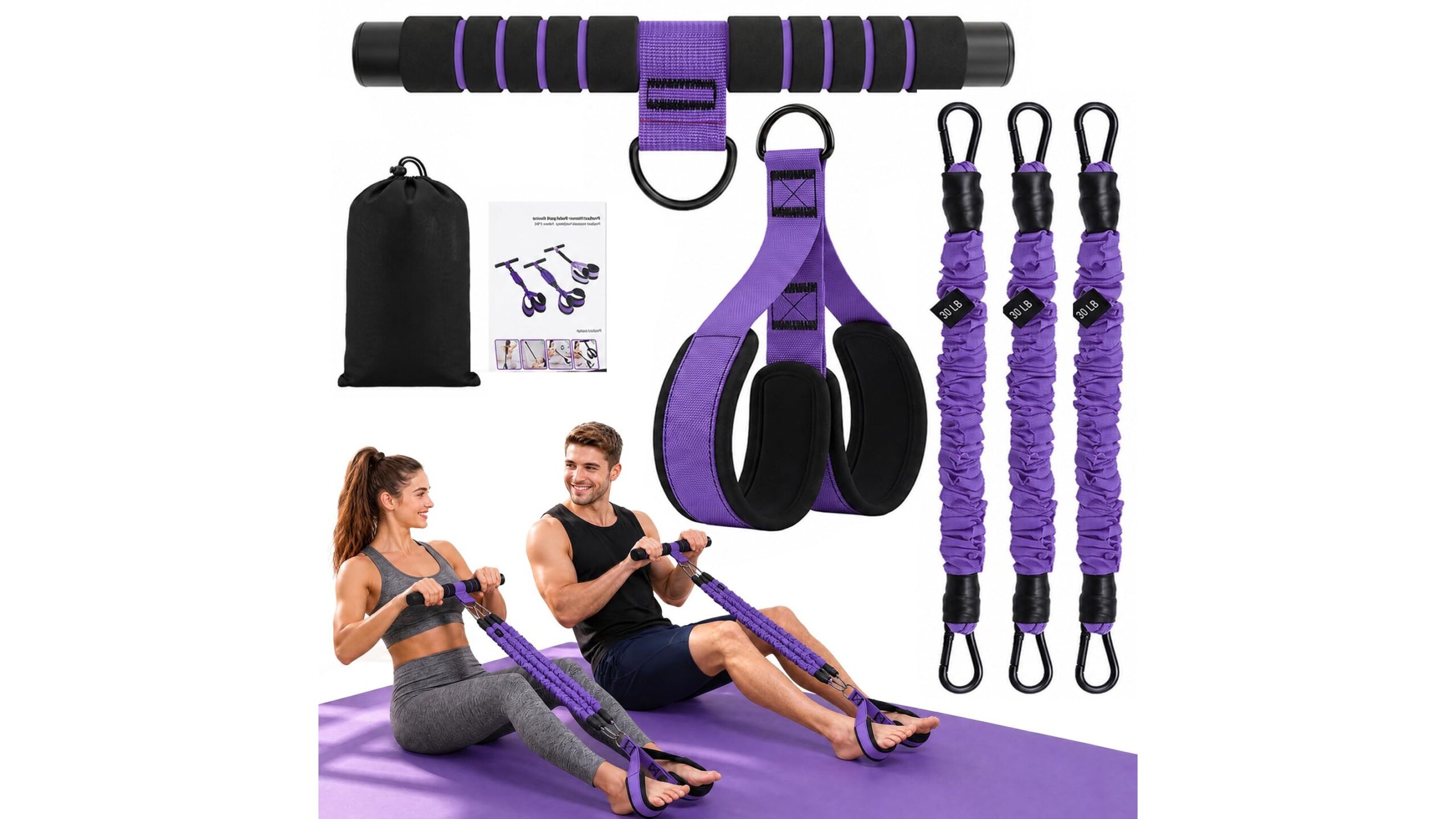
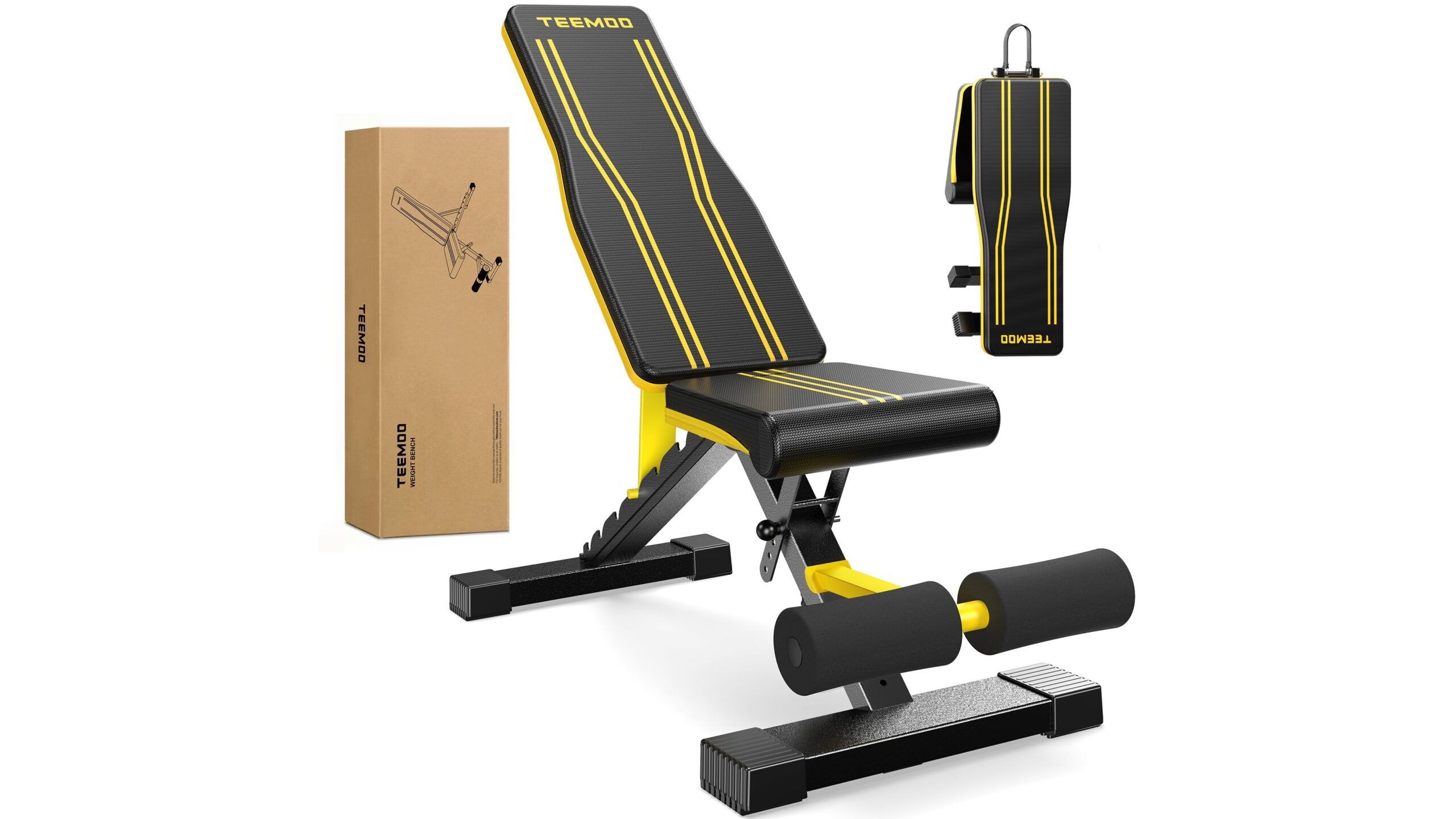
To get the most from your wooden wall bars, prioritise safety and simple maintenance. Always perform a periodic check of screws and brackets to ensure nothing has loosened with use. Use a non-slip exercise mat under the station to protect the floor and provide cushioning for stretching and floor work. If multiple people will use the station, especially children, establish clear rules about supervision and safe exercises. Accessories like resistance bands, yoga straps, rings and a small foldable bench can dramatically extend the range of exercises without increasing the footprint. Maintain the wood by wiping sweat after sessions and avoiding harsh cleaners; a well-cared-for Scandinavian wall bar system can last for many years while staying attractive enough to share space with your everyday furniture.
Investing in Scandinavian-style wall bars is an effective way to build a minimalist yet powerful home gym around a single vertical surface. By carefully assessing materials, dimensions, load ratings and mounting options, you can choose a model that fits both your interior style and your training goals. Once securely installed, the ladder structure becomes a central hub for strength, mobility and core work, and a flexible anchor for bands, rings and suspension tools. With thoughtful planning and regular maintenance, your wooden wall bars will serve as a long-term, multifunctional training partner that turns almost any room into a functional fitness studio.