Building a consistent low-impact cardio routine at home is easier than ever with a compact mini elliptical. These small under-desk style trainers let you increase your daily movement without stressing your joints, and they fit perfectly into a home office or living room. In this guide, you’ll learn how to use a mini elliptical to structure effective sessions, protect your knees and hips, and steadily boost endurance and daily step count.
Why a mini elliptical is ideal for low‑impact home cardio
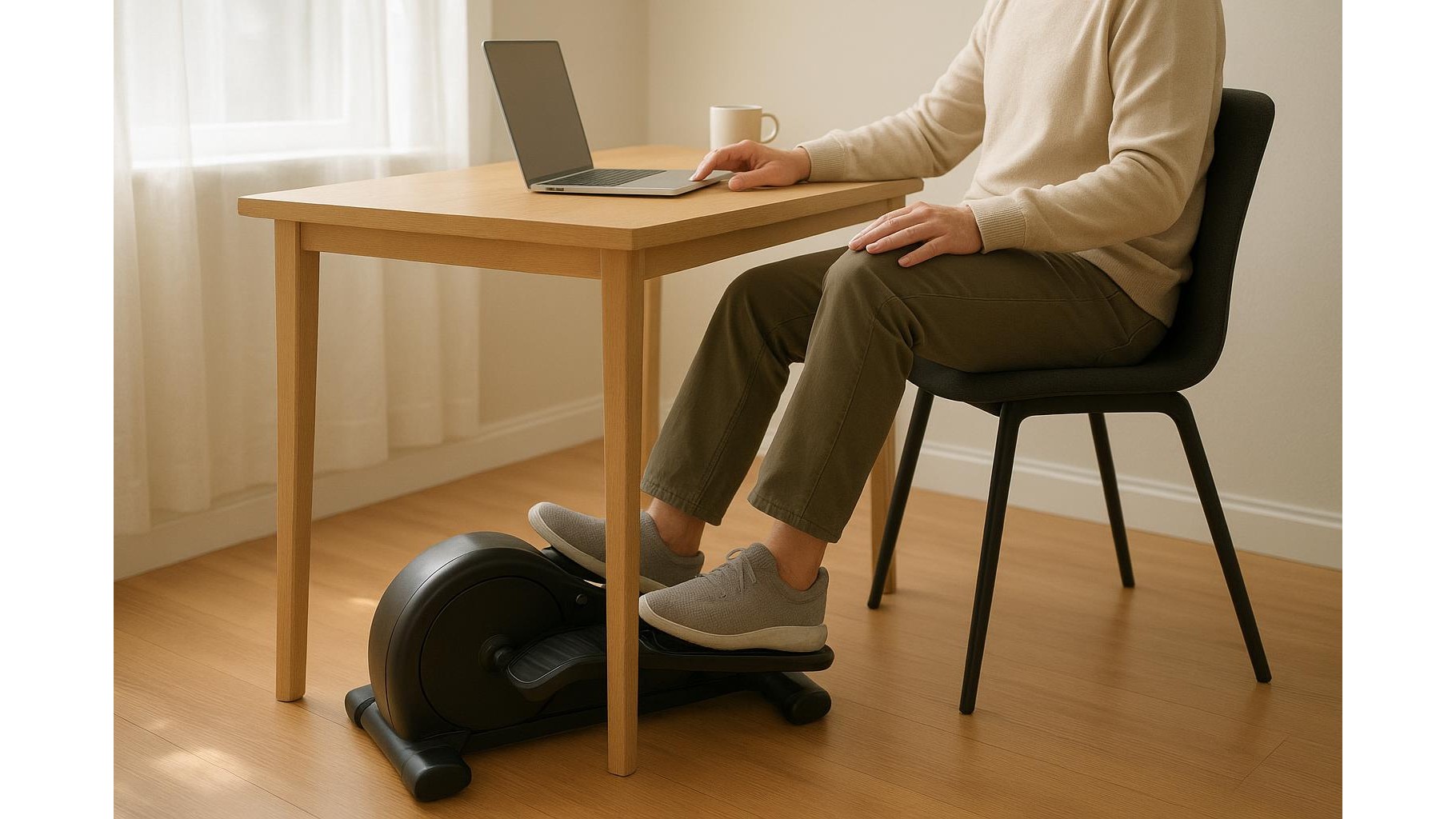
A mini elliptical trainer offers a smooth, gliding motion that mimics walking, but without the hard impact of pounding on pavement. Because your feet stay in contact with the pedals, there is less shear force on the knees, hips and lower back compared with jogging or even some home treadmills. The compact footprint makes it easy to slide under a desk or use while sitting on a sofa or chair, so you can combine gentle cardio with reading, working or watching TV. For anyone managing joint sensitivity, returning from a break in training, or looking for a quiet way to increase daily activity, a mini elliptical is an efficient, space‑saving solution.
How to set up your mini elliptical safely
To get the most from a compact mini elliptical at home, start with a stable setup. Place the unit on a flat, non‑slip surface, and if your floor is smooth, add a thin exercise mat to reduce vibration and noise. When using it seated, choose a chair with a firm base so you don’t roll or tilt as you pedal. Adjust your distance from the pedals so that at the furthest point of the stroke your knees stay slightly bent, never locked. Begin with the lowest resistance to learn the motion and keep your cadence smooth rather than choppy. If you feel your knees drifting inward, consciously align them over the middle of your feet to protect the joint. Keep your torso upright and core lightly engaged, avoiding excessive leaning on the desk or armrests.
Building an effective low‑impact cardio routine
For beginners, an effective starting point is 3–4 sessions per week. Begin with 15–20 minutes at an easy, conversational pace where breathing is slightly elevated but you can still talk in sentences. After a 3–5 minute gentle warm‑up, settle into this steady effort and finish with a few minutes of slower pedalling to cool down. As your fitness improves, extend sessions to 30 minutes, then up to 40 minutes if your schedule allows. Aim to accumulate at least 150 minutes of moderate cardio per week, in line with general health guidelines. You can also use the mini elliptical for short 5–10 minute bouts during breaks from your desk to keep circulation moving and prevent stiffness in the hips and lower back.
Weekly plans and intensity progressions
To structure your week, think in terms of easy, moderate and slightly more challenging days. A simple plan might include two steady 20–30 minute rides, one interval session, and a couple of short active‑recovery bouts. For intervals, warm up for 5 minutes, then alternate 1 minute of faster pedalling with 2 minutes of easy pace, repeating 6–8 times. Keep resistance modest so that your cadence stays smooth, and use perceived exertion: hard intervals should feel like 7 out of 10, not an all‑out sprint. Across the weeks, you can progress by adding one extra interval, slightly increasing resistance, or extending one steady ride by 5 minutes. Make only one change at a time to keep the routine joint‑friendly and sustainable.
Protecting knees and hips while maximising benefits
The main advantage of a mini elliptical is its joint‑friendly, low‑impact motion, but technique still matters. If you experience knee or hip discomfort, first reduce resistance and shrink your range of motion, focusing on control rather than force. Keep your feet flat on the pedals and avoid pushing only through your toes, which can overload the front of the knee. Short, frequent sessions are often better tolerated than long, infrequent efforts, especially at the beginning. Complement your cardio with 2–3 short strength sessions per week focusing on glutes, hamstrings and core to further support the joints. By combining smooth elliptical sessions with good posture and gradual progressions, you can safely improve endurance and daily movement without aggravating sensitive knees or hips.
Used consistently, a home mini elliptical can transform your daily routine, quietly raising your heart rate, step count and overall energy while remaining kind to your joints. With a stable setup, structured weekly plan and attention to alignment, you can build an effective low‑impact cardio routine that fits into work breaks, evenings or weekends. Start conservatively, listen to your body, and gradually layer in longer sessions and intervals. Over time, you’ll notice better stamina, less stiffness and a smoother transition to other fitness activities, all without leaving your living room.