
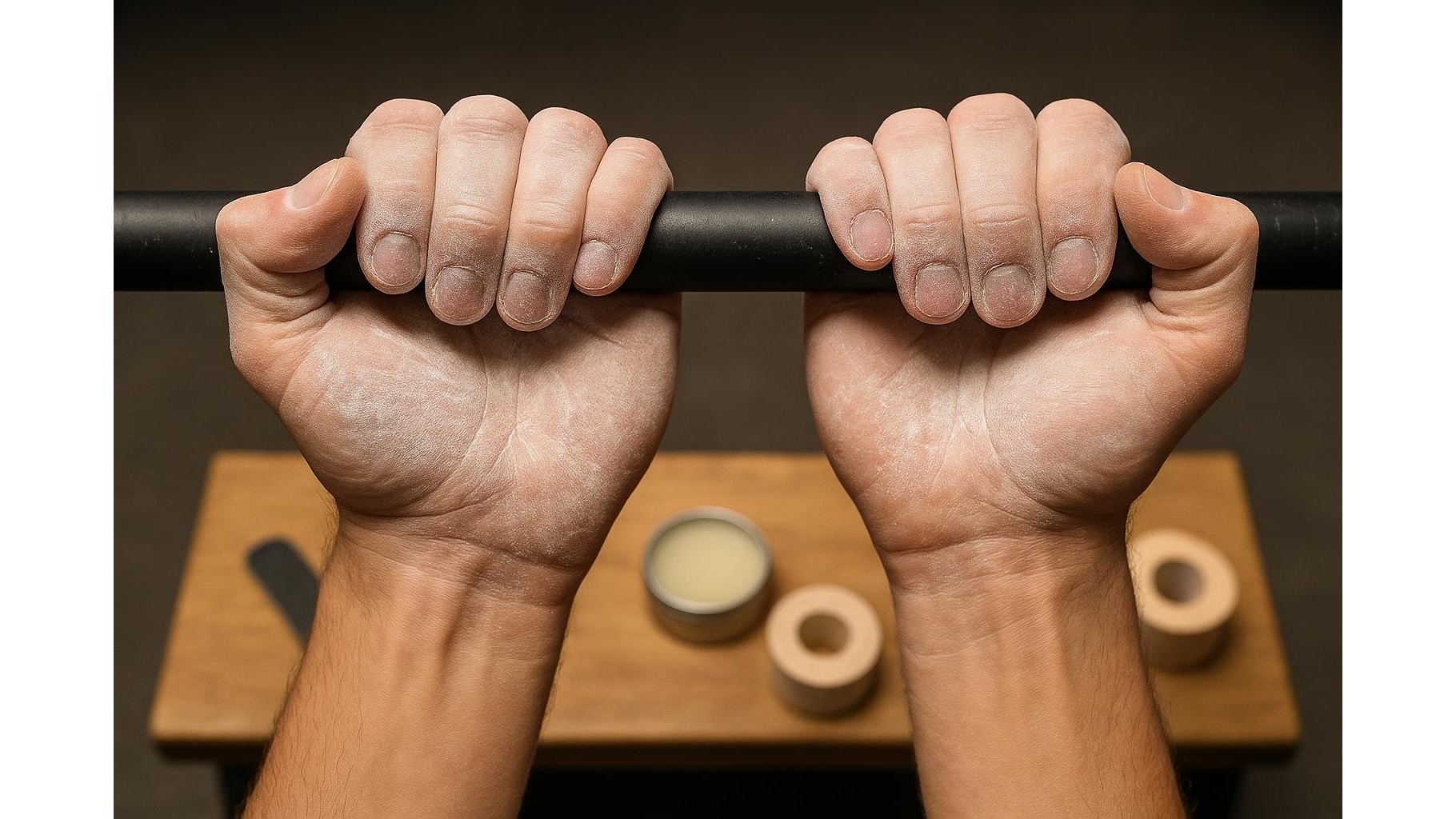
Lifting at home often means more contact with rough knurling, improvised pull-up bars, and long sessions without a coach reminding you to look after your hands. Over time, that can lead to painful rips, thick calluses and skin that tears right when your training is getting serious. The goal is not to remove all toughness, but to manage it: keep enough callus to protect your grip, while preventing sharp edges and dry cracks that fail under load. With a few simple tools and habits, you can protect your grip without losing the hard-earned resilience that makes you a stronger home lifter.
Why hand care matters for serious home lifters
Many lifters think that destroyed hands are a badge of honour, but repeated tears slow progress. Every time a big chunk of skin rips off a callus during heavy pull-ups, deadlifts or kettlebell work, you are forced to modify or skip training days. Torn skin also increases infection risk when you train in a garage or outdoor space. Healthy, well-managed calluses distribute pressure and friction more evenly, letting you grip harder for longer. Instead of aiming for baby-soft palms, aim for smooth, flexible skin with low-profile calluses. This allows you to keep training consistently, which is ultimately what builds strength, muscle and real-world toughness.
Filing and trimming calluses the right way
The most important habit for home lifters is regular mechanical care of calluses. After a warm shower or bath, when the skin is softer, use a dedicated callus file or pumice-style tool to gently reduce the thickest areas on your palms. Work in multiple light passes instead of grinding hard in one spot, and focus on levelling off raised ridges rather than removing the callus completely. Keep the surface smooth so it doesn’t catch on the bar knurling. Avoid using razor blades or cutting tools, which can remove too much skin and create fresh, sensitive areas that are likely to tear. A weekly routine takes only a few minutes and dramatically reduces painful rips.
Hydration and moisturising to prevent cracks
Callused hands are often dry hands, especially if you use a lot of chalk during heavy barbell or pull-up sessions. Dry skin loses elasticity and is more likely to crack under shear forces. Make a habit of applying a thick, non-greasy hand cream or balm before bed, focusing on the pads below your fingers and the base of your thumb. Look for formulas that combine occlusives and humectants to both seal in moisture and attract water into the skin. If your hands are extremely dry, you can use a small amount after training too, once you have washed off chalk and sweat. Consistent moisturising keeps calluses pliable and less prone to tearing while still maintaining their protective thickness.
Smart use of grips, tape and chalk
Protective accessories can help, but they should be used intelligently so you do not become dependent on them or lose valuable grip strength. For high-rep pull-ups, bar muscle-ups, or long kettlebell sets, gymnastic-style grips or fingerless hand protectors can reduce friction on the palm while still allowing you to feel the bar. Use athletic tape on hot spots or healing tears to keep training without re-opening the wound, wrapping just tightly enough to stay in place without cutting circulation. With chalk, think “less is more”; aim for a light, even layer to reduce moisture, not a thick paste that increases friction and clumps in the knurling. Reserve straps for very heavy pulls rather than every set, so your hands continue to adapt and stay strong.
Adjusting technique and equipment to save your hands
Hand damage does not come only from volume; it also comes from poor technique and unkind equipment. On pull-ups and toes-to-bar, avoid letting the bar roll deep into the palm. Instead, hold it closer to the fingers so the skin doesn’t bunch up and pinch into a ridge. On deadlifts, experiment with double overhand, hook grip, and mixed grip to see which position stresses your skin least at a given load. If your home barbell has very aggressive knurling, consider using a slightly smoother bar for high-rep work, saving the sharp bar for heavy singles and doubles. Small changes in where and how you place your hands can dramatically reduce tearing without sacrificing intensity or progress.
Looking after your hands as a home lifter is not vanity; it is performance. By combining regular filing, smart moisturising, strategic use of grips, tape and chalk, plus a few technique tweaks, you can keep your calluses strong but smooth and your training consistent. Instead of heroic, bloody palm photos, your progress will be measured in weeks and months of uninterrupted lifting. Protect your grip, respect your skin, and you will build the kind of toughness that lasts far beyond a single workout.









