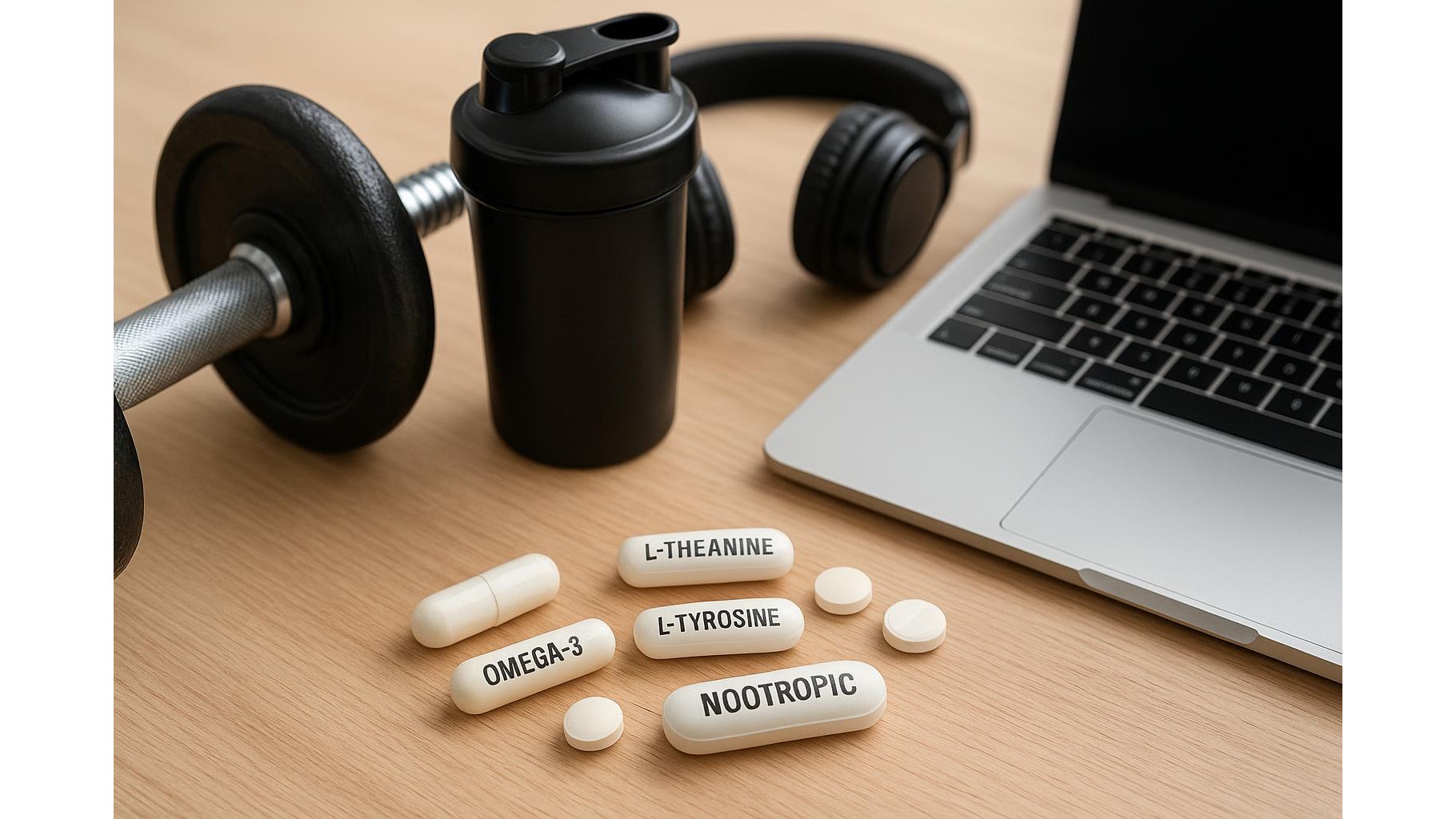
Training at home can be incredibly convenient, but distractions, fatigue and low motivation can quickly derail your best intentions. This is why many lifters and home athletes look at nootropics – supplements aimed at enhancing focus, reaction time and motivation. Not every pill that claims “laser focus” is worth your money, though. Below is an evidence-based look at the ingredients that actually make sense for home workouts, and how to use them smartly rather than relying on marketing hype.
Caffeine: the classic focus booster that still works
When it comes to focus supplements, good old caffeine is still the most researched performance enhancer. Moderate doses (around 3–6 mg per kg of bodyweight) can improve alertness, reduce perceived exertion and even enhance reaction time and strength output. For home gym sessions, that usually means 100–200 mg taken 30–45 minutes before training, depending on your tolerance. The key is to avoid mega-doses that cause jitters, anxiety or a post-workout crash. If you already drink coffee, remember to count that caffeine as well. Caffeine is best used strategically before hard sessions rather than all day long, so that your central nervous system stays responsive and your sleep is not compromised.
L-theanine: smoothing out stimulation for cleaner focus
L-theanine, an amino acid found in tea, is often combined with caffeine to create a calmer, more sustainable state of focus. Research suggests that 100–200 mg of L-theanine with caffeine can improve attention and reduce the typical side effects of stimulants such as edginess or a racing heart. For home workouts, this combo is especially useful if you train after work and want to be mentally sharp without feeling wired for hours. Look for products that clearly state the dose per serving and aim for roughly a 1:1 or 2:1 ratio of L-theanine to caffeine. This pairing makes sense if you are sensitive to stimulants or if you need to stay productive after your training instead of crashing on the sofa.
Tyrosine and B-vitamins: supporting motivation and stress response
L-tyrosine is a precursor to dopamine and noradrenaline, neurotransmitters involved in motivation, drive and focus under stress. Some studies show that doses around 500–1500 mg can help maintain cognitive performance in demanding or sleep-deprived situations. For home athletes, tyrosine may be useful before intense interval sessions or heavy lifting when you feel mentally drained. In addition, most serious nootropic pre-workouts include a blend of B-vitamins like B6, B9 and B12, which support normal energy metabolism and nervous system function. While they are not acute performance boosters on their own, they can help avoid deficiency and round out a focus-oriented stack. Choose supplements using the full ingredient names and not just buzzwords, and avoid proprietary blends where you cannot see the exact dosages.
What to be cautious about: exotic stimulants and overhyped blends
The nootropics market is full of exotic stimulants and brain-boosting claims. Ingredients such as high-dose synephrine, untested “research chemicals” or blends hiding behind proprietary labels can raise blood pressure, disrupt sleep and carry unknown long-term risks. For home workouts, you simply do not need that level of intensity to get a good session. Be cautious with any supplement promising “limitless focus” or “hours of tunnel vision” without listing transparent amounts of each compound. Also be wary of products combining multiple strong stimulants in one scoop; these can push your heart rate excessively during high-rep sets or circuit training. Prioritise brands that disclose full formulas, are third-party tested, and focus on well-known ingredients such as caffeine, L-theanine and tyrosine rather than chasing the latest trendy molecule.
Practical guidelines for using nootropics in a home gym routine
To integrate nootropics for home workouts sensibly, start with the basics: a consistent sleep schedule, hydration and a pre-workout meal with carbs and protein. Only then consider layering in a simple focus supplement. Begin with low doses of caffeine (or caffeine plus L-theanine) and track how your mood, productivity and sleep respond over several sessions. Reserve nootropic use for key workouts – heavy strength days, complex skill work or high-intensity intervals – instead of every light pump session. Avoid taking stimulants within six to eight hours of bedtime, especially if you train in the evening. Finally, remember that no supplement substitutes for progressive overload, smart programming and discipline. The right nootropics can sharpen the edges of your performance, but the core of your progress will always come from consistent, focused work in your home gym.
In summary, certain nootropic ingredients do make sense for home workouts, especially evidence-backed options like caffeine, L-theanine, tyrosine and solid B-vitamin support. These can improve focus, reaction time and motivation enough to turn an average session into a productive one, as long as you respect dosing and timing. On the other hand, aggressive stimulant cocktails and under-researched compounds are more likely to harm sleep, increase anxiety and undermine long-term progress. Treat nootropics as small, targeted tools that refine your training – not as magic shortcuts – and you will get the most benefit while keeping your home fitness routine safe and sustainable.