For many home athletes, the biggest performance upgrade is not a new barbell but better sleep quality. Late-night workouts, screens and stress can all disrupt recovery. This has fuelled interest in sleep-support supplements such as melatonin, magnesium and herbal remedies. Below you’ll find an evidence-based overview of how these products work, when they might help, and why habits still matter more than any pill.
Melatonin: when a hormone supplement makes sense
Melatonin is a hormone that helps regulate your sleep–wake cycle. It can be useful for circadian issues like jet lag, shift work or delayed sleep phase, which are common in people who train late at night. A typical supplemental dose in studies is low (around 0.5–1 mg) taken 30–60 minutes before bed; higher doses are not always more effective and may leave you groggy.
One example on the UK market is Melatonin.High Quality Nighttime Sleep Support.Sleep Supplement.60 Capsules., positioned as a capsule-based night-time formula aimed at helping you fall asleep faster and wake more refreshed, with a blend of sleep-focused ingredients. While such products can support better sleep onset, melatonin is not a sedative and won’t fix poor routines. Use the lowest effective dose, cycle off periodically and avoid if you are pregnant, breastfeeding, on certain medications or have hormone-related conditions without medical advice.
Magnesium for relaxation, muscle recovery and sleep
Magnesium is involved in muscle function, nerve transmission and hundreds of enzymatic reactions, and many adults fall short of optimal intake. For lifters and endurance-focused home gym users, adequate magnesium can support muscle relaxation and may make it easier to wind down at night. Forms like magnesium glycinate, citrate and malate are typically better absorbed and gentler on the stomach than oxide.
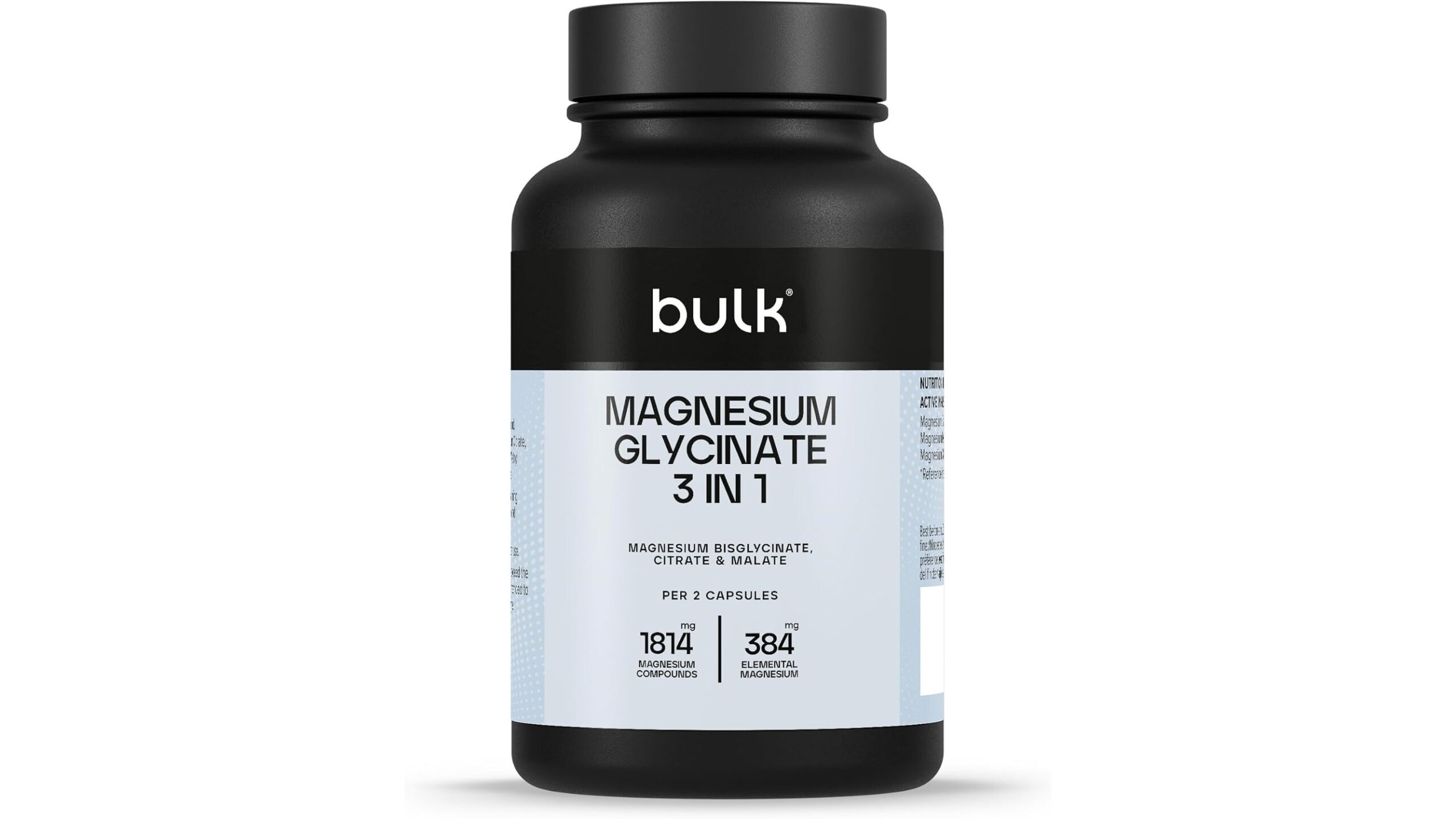
A targeted option is Bulk Magnesium Glycinate 3-in-1 Complex | 1800mg High Absorption | Triple Strength Magnesium with Bisglycinate, Citrate & Malate | Supports Muscle Function, Energy & Repair | Vegan | 90 Tablets. It combines three highly bioavailable forms to support electrolyte balance, muscle repair and an evening wind-down routine, with many users reporting easier sleep and fewer cramps. A common starting point is 200–400 mg elemental magnesium in the evening with food. Those with kidney disease or on certain medications should talk to a clinician first.
Herbal options: valerian root and traditional sleep aids
Herbal sleep formulas have a long history of use, especially valerian root, which appears to have mild sedative and anxiolytic effects in some people. Evidence is mixed but suggests potential benefits for sleep disturbances linked to mild anxiety, without the heavy hangover of some pharmaceutical agents.
A widely used UK product is Natures Aid SleepEezy Valerian Root Extract 150mg – Traditional Herbal Remedy for Sleep Disturbances from Mild Anxiety – Natural Vegan Sleep Aid – Gluten Free, Non-GMO – 60 Tablets. Each tablet delivers 150 mg of valerian extract (equivalent to 750–900 mg of root) and is taken about 30 minutes before bed. Reviews frequently mention improved sleep continuity and less nighttime waking after several weeks of consistent use. Side effects can include vivid dreams, mild drowsiness and an intense herbal smell; avoid mixing with other sedative medications unless supervised by a healthcare professional.
Dosing principles, stacking and safety for home athletes
For active people, it is tempting to stack multiple sleep supplements. A more evidence-based approach is to change one variable at a time and track results in a training or sleep log. Start with a single compound (for example, magnesium) at a conservative dose for at least 2–3 weeks before adding anything else. Consider your training demands: heavy evening strength work may call for earlier sessions or longer cool-downs rather than more pills.
Always check interactions with existing medications, especially antidepressants, blood pressure drugs, anti-anxiety medicines and other sedatives. Avoid combining high-dose melatonin with alcohol or strong sleep medication. Athletes in tested sports should also be cautious, choosing products that are transparent about ingredients and, where possible, third-party tested to reduce contamination risk.
Why lifestyle should come before supplements
Even the best sleep aid cannot overwrite poor habits. For home athletes, the basics are powerful: keep a regular sleep schedule, limit bright screens for 60–90 minutes before bed, finish intense workouts at least a couple of hours before sleep, and build a predictable wind-down routine (stretching, light reading, breathing drills). Keep your bedroom cool, dark and quiet, and avoid heavy late-night meals or high caffeine intake in the afternoon and evening.
Use supplements like melatonin, magnesium and valerian as adjuncts, not crutches. If you still struggle to sleep after four weeks of good hygiene and careful experimentation, or if you experience loud snoring, gasping, chronic insomnia or unrefreshing sleep, seek medical evaluation. Prioritising these fundamentals will maximise the recovery benefits of any product you choose and help you train harder, safer and more consistently in your home gym.
In summary, sleep-support supplements for home athletes can be useful tools when used intelligently. Melatonin may help with circadian disruption, magnesium supports relaxation and muscle function, and valerian offers a gentle traditional option for anxiety-related disturbances. However, the most reliable upgrades in performance and recovery still come from structured sleep hygiene, smart programming and stress management. Choose high-quality products, start low with dosing, monitor your response and let lifestyle changes do the heavy lifting for your nightly recovery.