Building a home gym that truly works for you often means choosing equipment that is compact, versatile and above all safe. A foam plyometric box is a great option for jump training and step-ups in small spaces, but not all boxes are created equal. Understanding dimensions, density, stability and safety features will help you pick the right model for your fitness level and room layout.
Why choose a foam plyo box for your home gym
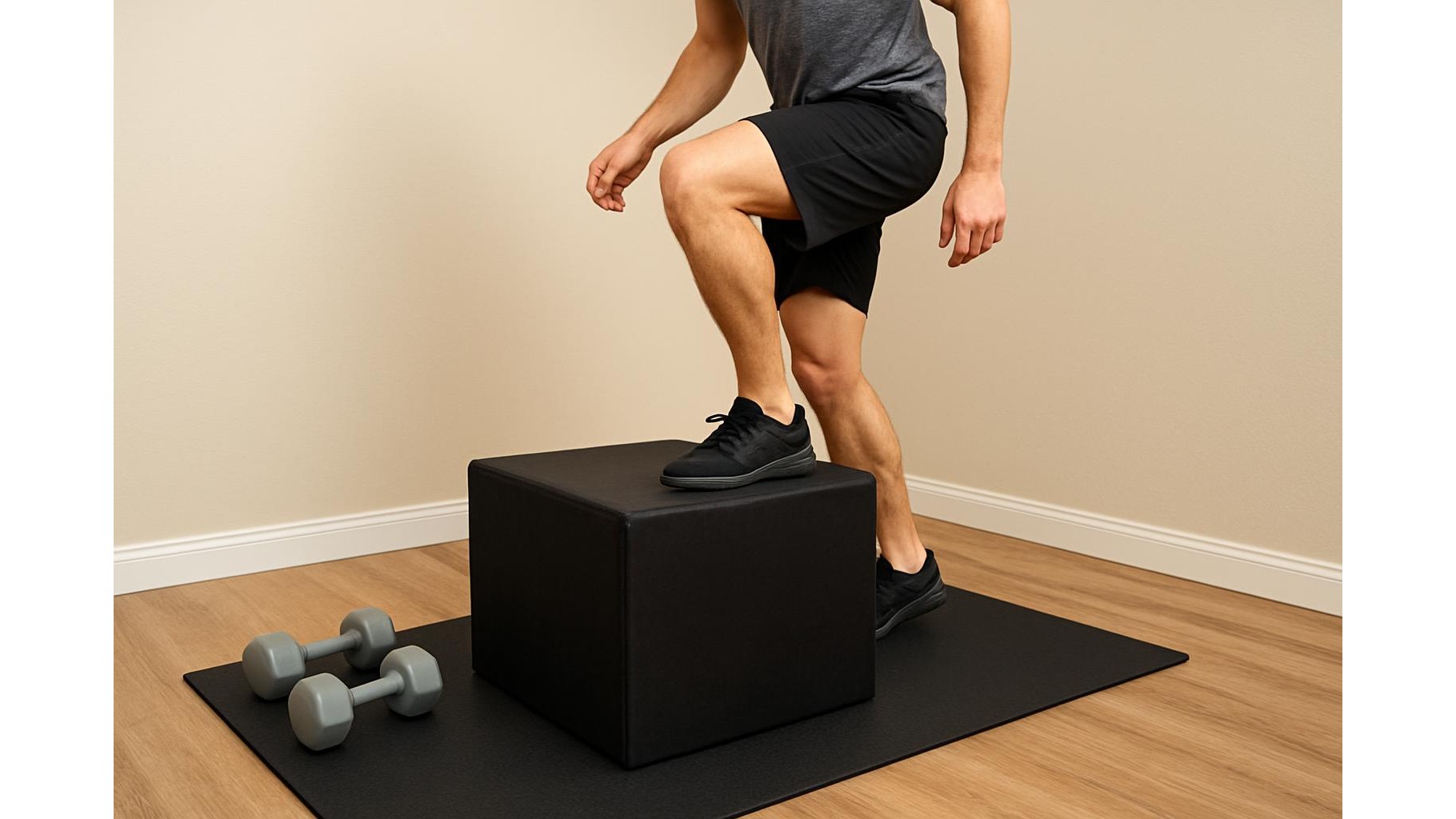
A foam plyo box is designed to reduce the impact and risk of cuts or bruises compared with wooden or metal boxes. The soft outer layer helps if you miss a jump, while the firm inner core still provides a stable landing surface. For many home users, especially beginners or those returning from injury, this makes foam boxes ideal for safe jumps, step-ups and even elevated push-ups. Their lightweight design also makes them easier to move and store in a compact home gym than heavier alternatives.
Choosing the right dimensions for your space and level
When selecting a compact foam plyo box, start with the height. Common heights range from 20 to 61 cm for beginners, up to 75 cm or more for advanced users. Shorter boxes are best if you mainly plan to do step-ups, Bulgarian split squats or low-impact jumps. Taller boxes suit experienced athletes practising explosive box jumps. Measure your ceiling height and leave enough clearance for safe landings. If space is tight, consider a single medium-height box that works for both steps and moderate jumps, rather than a full set of multiple heights.
Density and stability: firm but forgiving
The internal foam density is crucial. A quality box should feel firm underfoot, without sinking or tipping when you land on the edge, yet still provide enough give to reduce stress on your joints. Look for high-density foam cores with a stable base that resists wobbling on common home surfaces like laminate or carpet. The cover material also affects stability: grippy vinyl or textured PVC helps your shoes stay in place, improving confidence during repeated jumps and dynamic step-ups.
Key safety features for home use
For home training, focus on safety features that minimise accidents. Non-slip bottoms help keep the box from sliding on smooth floors, and rounded edges reduce the chance of painful scrapes. A durable, tear-resistant cover protects the foam from wear, especially if you train several times per week. The box should support your body weight with a comfortable safety margin, so always check the maximum load rating. Bright, visible markings on the edges can also make it easier to judge distance and land accurately, particularly in dimly lit home gyms.
Matching the box to your training goals
Think about how you plan to train. If your main goal is strength and conditioning, a lower box used for strict, controlled step-ups and single-leg work may be ideal. For improving explosive power and agility, choose a box that challenges your jump height without forcing you to compromise on landing form. Beginners and intermediate users often get the most value from a single, medium-height foam box that supports a wide range of exercises, from hip thrusts and decline push-ups to light plyometric drills.
Practical tips for setup and progression at home
Once you have the right foam plyo box, place it on a flat, clear surface with enough space around it to step or jump safely. Start with low-impact exercises like step-ups and box squats to build confidence. Gradually progress to higher-intensity box jumps, focusing on soft, controlled landings. Combine the box with other compact tools, such as resistance bands or light dumbbells, to create full-body circuits without crowding your home gym. Regularly inspect the cover and foam for damage and keep the surface clean for maximum grip and safety.
Choosing a compact foam plyo box for your home gym comes down to balancing dimensions, density, stability and safety features with your fitness level and available space. By prioritising a firm yet forgiving landing surface, a suitable height and secure, non-slip construction, you can train with confidence, reduce injury risk and get more from every jump and step-up in your home workouts.