
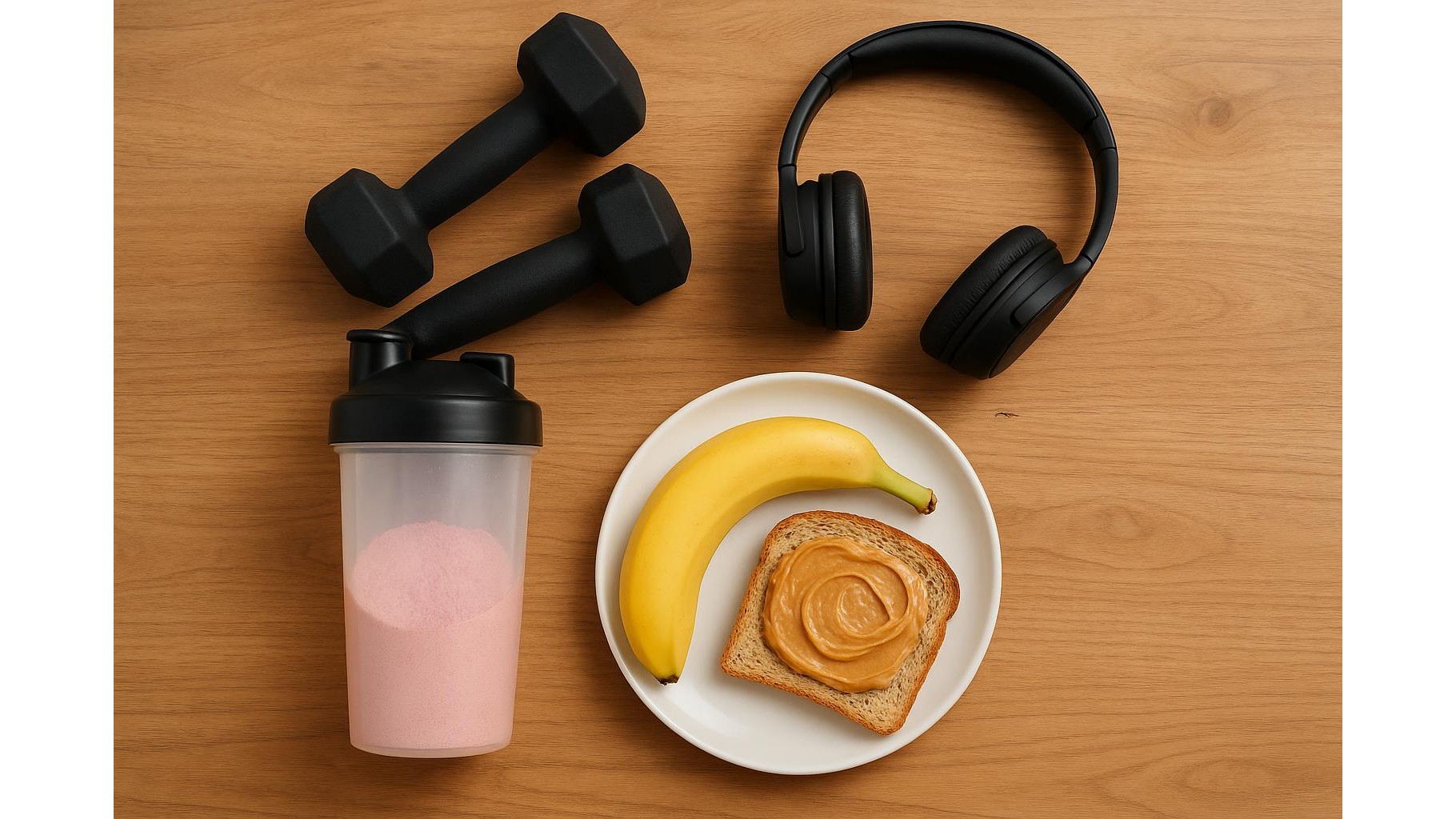
Training at home means you control everything: your gear, your schedule and, crucially, what you eat before you work out. Choosing between pre-workout snacks and pre-workout powders can make the difference between a sluggish session and a focused, high-energy workout. This guide breaks down how each option works, how to time it and how to stay safe while you chase better performance in your home gym.
How pre-workout fuel actually works
Before debating snacks vs powders, it helps to understand what your body needs. For most home athletes, the goal of a pre-workout is to provide fast energy, support focus and avoid stomach discomfort. Carbohydrates are your main fuel, a bit of protein can reduce muscle breakdown and limited fat and fibre help prevent digestion issues mid-set. Traditional pre-workout powders focus on stimulants like caffeine plus ingredients such as beta-alanine and citrulline, which may support blood flow and delay fatigue. Real-food snacks, on the other hand, rely on easily digested carbs and moderate protein to power your session without a chemical cocktail.
Benefits of real-food pre-workout snacks at home
For many home trainees, a simple snack is enough. Think of options like a banana with a spoonful of peanut butter, Greek yogurt with honey or a slice of toast with jam. These are easy to digest, inexpensive and naturally provide carbohydrates plus a bit of protein. Real food also offers vitamins, minerals and antioxidants that powders lack. Because you are training at home, you can prepare and eat a snack 30–60 minutes before lifting or cardio, then warm up without rushing. Snacks are ideal if you are sensitive to caffeine, training later in the evening or following a more minimalist, whole-food approach while still wanting reliable energy for your workouts.
When pre-workout powders make sense
Pre-workout powders can be useful when you need convenience, strong stimulation or train very early. A typical formula mixes caffeine, amino acids and performance-supporting ingredients to sharpen focus and delay fatigue. Powders are easy to gulp down 20–30 minutes before your home session, especially if you do not feel like eating solid food. They can be particularly useful for high-intensity intervals, heavy strength work or long circuits where mental alertness matters. However, they are not magic: their main performance boost usually comes from caffeine and adequate overall nutrition. If your daily diet is poor or your sleep is short, even the best powder will have limited impact.
Timing, portion sizes and safety at home
For pre-workout snacks, aim for 20–40 g of carbohydrates and 5–15 g of protein, eaten 30–60 minutes before training. A small portion helps avoid feeling too full while still topping up energy stores. With pre-workout powders, stick to the manufacturer’s serving and check the total caffeine content; many products contain the equivalent of two strong coffees per scoop. Start with half a serving to test tolerance, especially if you train alone at home. Avoid mixing powders with additional energy drinks or extra coffee, and be cautious if you have cardiovascular issues, are pregnant or take medication. Hydration is crucial in both cases: drink water with your snack or shake and sip more during your workout.
How to choose what works best for your home training
Deciding between snacks vs powders depends on your goals, schedule and sensitivity. If you prefer a more natural, budget-friendly approach and train at moderate intensity, real-food snacks are usually enough. If you chase performance PRs, do intense intervals or need help waking up for dawn workouts, a sensible use of pre-workout powder can be helpful. Many home athletes alternate: snacks on lighter or evening sessions, powders on tough strength or conditioning days. Track how you feel—energy, focus, digestion and sleep—and adjust. The best pre-workout is the one that fits your lifestyle and lets you train consistently, not the most hyped tub on social media.
In summary, both pre-workout snacks and pre-workout powders can improve your performance, but in different ways. Real food provides stable energy, better overall nutrition and fewer side effects, while powders offer convenience and a stronger mental kick when used carefully. Build a simple strategy: choose easy snacks or a measured scoop of powder, time your intake before you train and pay attention to how your body responds. With a bit of experimentation, you can turn your pre-workout routine into a quiet superpower that makes every home session more effective.









