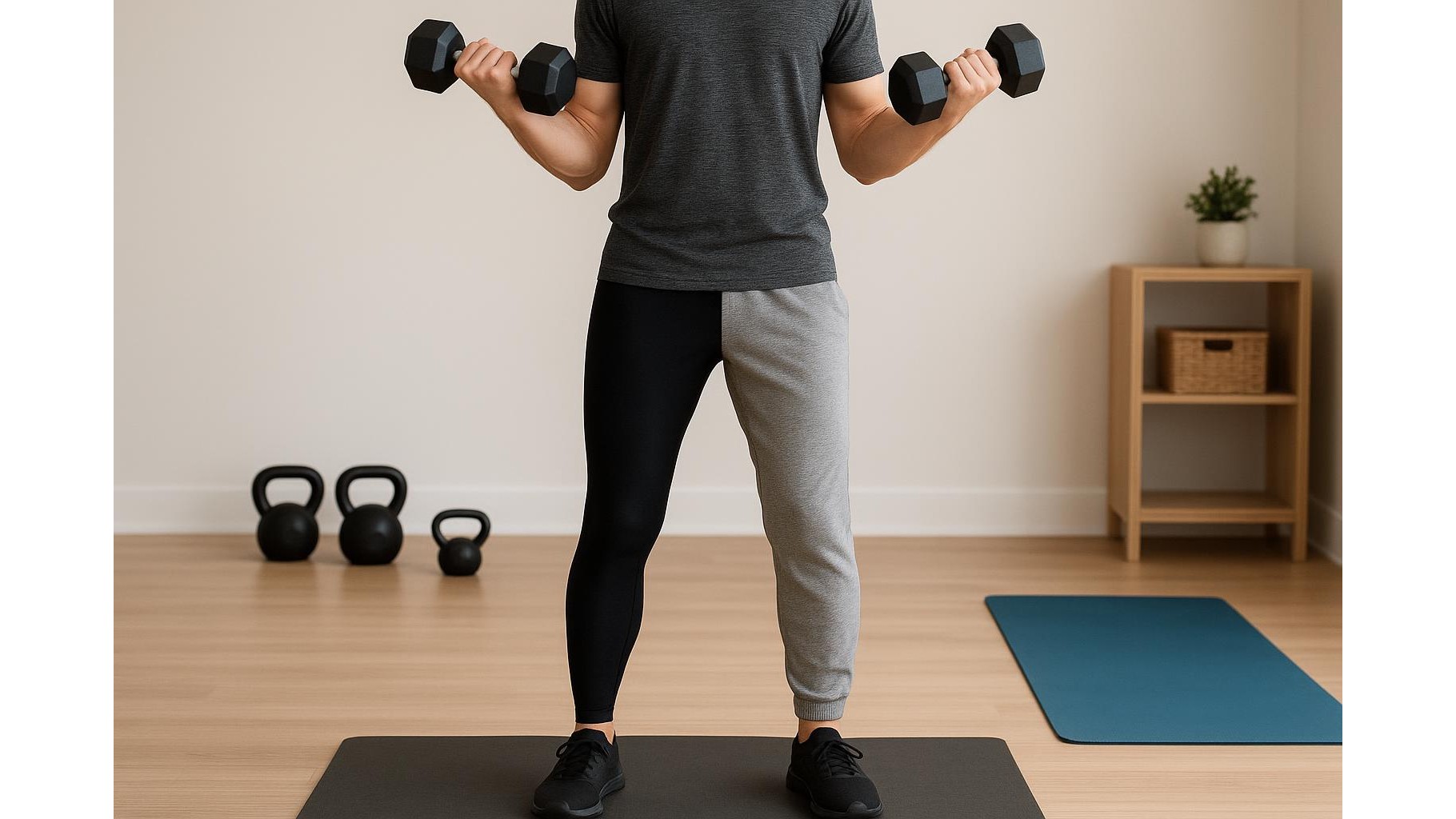
Choosing between compression leggings and loose joggers for home strength training can seriously change how your session feels. The right bottoms affect your mobility, temperature, confidence and even how motivated you are to push through those final reps. While gyms often have dress codes or trends, at home you can prioritise pure comfort and performance. This guide compares the pros and cons of each style, with practical tips for different body types, training goals and comfort needs.
Freedom of movement and range of motion
For exercises like squats, lunges and deadlifts, unrestricted range of motion is essential. Compression leggings hug the legs, so there is no extra fabric to catch on your knees or bench, and you can clearly see joint angles in the mirror for better form checks. Loose joggers, especially with tapered ankles and a bit of stretch, also work well, but baggier cuts may bunch behind the knees or ride up during hip thrusts and step-ups. If you often follow technique-focused programs or film your lifts, compression tights make it easier to monitor alignment, whereas relaxed joggers suit those who prefer a less “second skin” feel.
Muscle support, circulation and recovery
One of the main selling points of compression leggings is targeted muscle support. Graduated compression can promote blood flow, reduce muscle oscillation during explosive movements and may slightly reduce post-workout soreness for some people. This makes them appealing for high-volume leg days, circuit training or combined strength and cardio sessions. Loose joggers usually offer minimal compression but can still provide warmth, which helps keep muscles ready between sets in cooler homes or garages. If you struggle with heavy, tired legs or do a lot of supersets and jump training, compression leggings can feel more “locked in”, while joggers are fine for slower, controlled lifting with longer rest periods.
Comfort, body confidence and temperature
Comfort is personal, and it often comes down to how you feel about a second-skin fit. Compression leggings can be extremely comfortable once you find the right size: no flapping fabric, no cold spots and no dragging hems. However, some people dislike the clingy feel or find them too exposing around the hips and glutes. Loose joggers offer more coverage and a relaxed look that can boost body confidence, especially for beginners or anyone returning to training after a break. For hot environments or intense sessions, moisture-wicking compression leggings usually manage sweat better; in colder rooms, brushed or fleece-lined joggers keep you warmer and make warm-ups more pleasant.
Best choices for different body types and training styles
Different body types and training styles benefit from different fits. Lifters with bigger thighs and glutes often find that compression leggings stay put better than joggers, which may pinch at the waist if sized for the legs. Look for high-waist compression designs with a wide waistband for comfort. If your training is mostly upper body, core work and light dumbbell exercises, loose joggers can be ideal: comfortable, easy to throw on and forgiving if you fluctuate in weight. For dynamic lower-body workouts, combination sessions with skipping or rowing, or when you use resistance bands above the knees, compression leggings minimise friction and bunching, while joggers are best for slower tempo work or recovery days.
Practical home gym considerations
At home, small practical details matter. Compression leggings are space-efficient, dry quickly after washing and are less likely to catch on adjustable benches, bands or pedal mechanisms if you mix strength with indoor cycling. Their snug fit also makes them an excellent base layer under shorts in winter. Loose joggers, on the other hand, shine for all-day wear: you can move from desk to dumbbells without changing, and they provide more pockets for your phone or timer. If you train early or late and want loungewear that doubles as workout gear, joggers are very convenient. Ultimately, many home lifters keep both styles: compression leggings for focused lower-body or mixed-intensity sessions, and relaxed joggers for gentle lifting, mobility work and recovery.
In summary, there is no universal winner in the debate between compression leggings vs loose joggers for home strength training. Compression tights offer superior muscle support, sweat management and technical visibility, making them ideal for heavy, lower-body or high-intensity sessions. Loose joggers prioritise warmth, discretion and everyday comfort, which suits slower lifting, beginners and anyone who prefers a relaxed fit. Consider your body type, typical training style and temperature at home, then choose the option that helps you feel confident, move freely and stay consistent with your workouts.