Lifting at home is great for convenience and consistency, but it can quietly overload your wrists and forearms. Pressing, pulling and gripping heavy dumbbells, barbells or kettlebells all week without a clear recovery plan often leads to nagging pain, tendonitis and a weaker grip. The good news: with a few simple routines and the right tools, you can build a home prehab protocol that keeps your joints, tendons and grip strength healthy for the long term.
Warm-up drills to prime wrists and forearms
Before you touch a bar, spend 3–5 minutes on targeted wrist warm-up. Start with gentle circles: arms straight, trace slow circles with your hands in both directions, then move to flexion/extension – pull the fingers back with the other hand, then gently bend the wrist forward. Add a few sets of knuckle push-ups on a wall or bench to wake up the small stabilisers. Finish with light dynamic stretches, like prayer stretches (palms together, elbows out, sliding hands down) to open the forearm fascia. These moves increase blood flow, lubricate the joint and reduce the shock your wrists take on the first heavy set.
Smart use of wrist wraps for joint protection
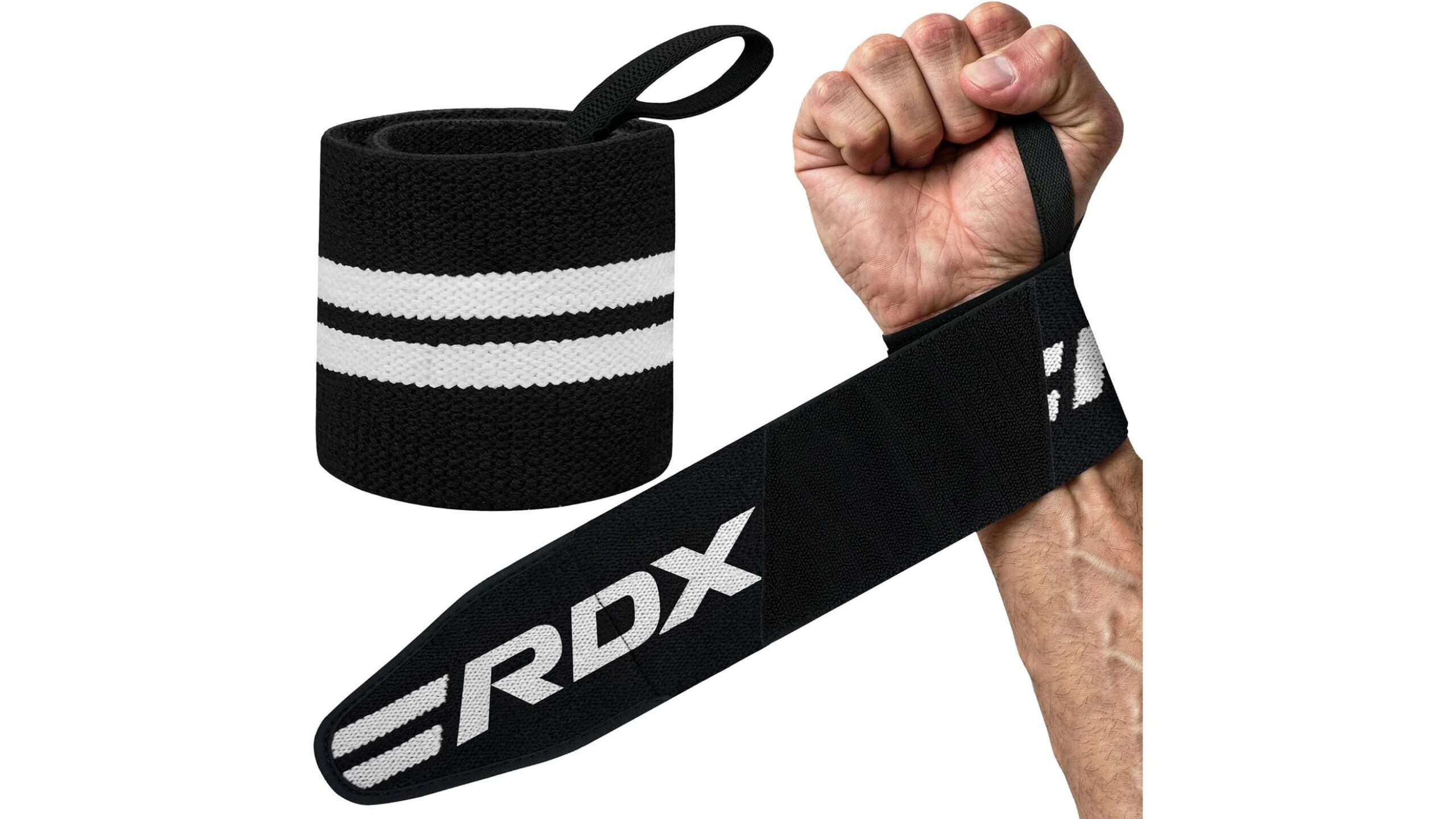
For pressing and heavy overhead work, a good pair of wrist wraps can provide extra stability without turning your wrists into a crutch. The RDX Weight Lifting Wrist Wraps Support offer 18″ elasticated cotton straps with a 3-inch wide design for solid joint coverage and an integrated thumb loop to lock them in place. Their stretchable fabric (up to 25% extra length) lets you dial in compression: tighter for heavy bench or overhead presses, looser for lighter accessory work. Because they are IPL and USPA approved, they are built to competition standards, which also means strong stitching and durability for frequent home sessions. Use them strategically on your heaviest sets while keeping some unwrapped work to maintain natural wrist strength.
Mobility and stretching for long-term resilience
Mobility work should be part of your lifting plan, not an optional extra. Combine wrist mobility and forearm stretching after each session: perform quadruped wrist rocks (on hands and knees, fingers forward, gently rock your weight over your wrists) to train tolerance in extension, then repeat with fingers pointing towards your knees to load the flexors. Follow with 30–45 second holds for the wrist flexors and extensors – elbow straight, use the other hand to guide the stretch. Add nerve glides (“OK” sign with thumb and index, wrist extended, gently moving through range) if you feel tingling from desk work and lifting. Consistent low-intensity mobility helps tendons adapt to volume and keeps your range of motion usable under load.
Self-massage tools to unload tight forearms
When your forearms are constantly tight from rows, pull-ups and deadlifts, simple self-massage can speed up recovery and reduce elbow pain. A versatile option is the Rolflex™ Foam Roller Re-imagined, a clam-shaped myofascial release tool designed to clamp around the limb. Unlike a regular foam roller, you can adjust pressure with one hand and target specific trigger points in the forearm flexors and extensors without lying on the floor. Its dual stability rollers create deeper trigger point therapy that’s particularly useful for tennis elbow or golf elbow from gripping. Use slow passes along the muscle, pausing on tender spots for 20–30 seconds. A few minutes after training – or on rest days – can noticeably reduce stiffness and improve grip comfort.
Load management and exercise tweaks
No amount of mobility can fix poor load management. Home lifters often progress only by adding weight, forgetting that volume, frequency and grip choice all stress the wrist. Rotate grips (neutral handles, fat grips, straps on very heavy pulls) to spread the load across tissues. If your wrists ache on push-ups or presses, elevate your hands on dumbbells or parallettes to keep them in a more neutral position. Apply the 10% rule for weekly volume increases and program deload weeks every 4–6 weeks where you intentionally back off intensity or volume. If pain persists, temporarily swap aggravating moves for more joint-friendly variations while you address the root causes with mobility and massage.
Building a simple at-home care routine
Think of your wrist and forearm care as part of your training plan, not an add-on. A practical template: 3–5 minutes of warm-up drills before lifting, strategic support with wraps like the RDX Weight Lifting Wrist Wraps Support on heavy work, plus 5 minutes of stretching and self-massage using a focused tool such as the Rolflex™ Foam Roller Re-imagined after your session. Combined with smart load management, this simple routine can protect your grip, keep your joints healthy and allow you to progress your home workouts without being sidelined by avoidable wrist or elbow issues.